
Tools
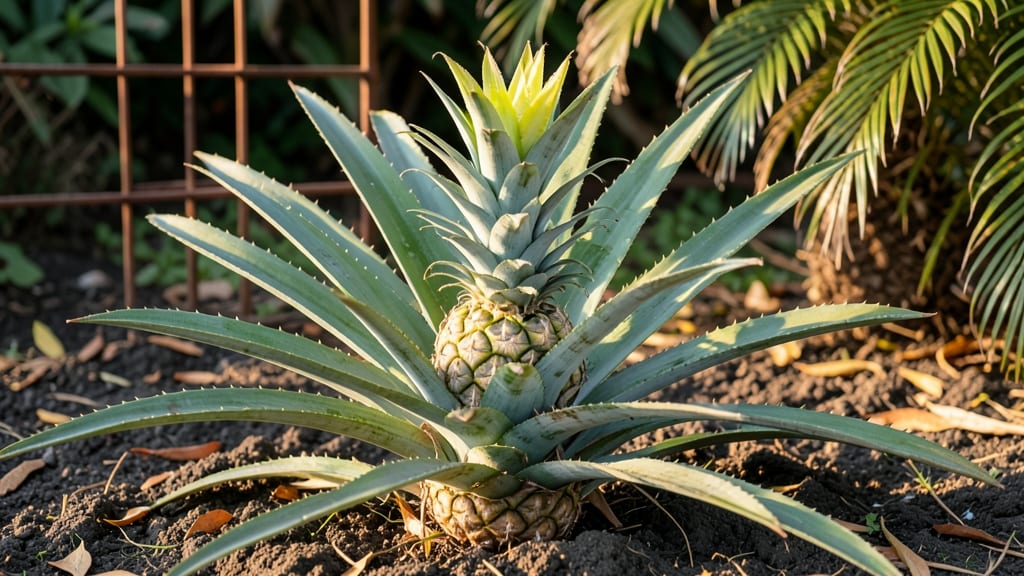
Growing pineapple from seed to harvest in your garden might sound like a pipe dream for most climates—but I’ve done it twice, even in my Zone 7 backyard. 🌱 The key isn’t just heat; it’s patience and the right setup.
My first attempt took 18 months to fruit, but the sweet, tangy reward made every late-night watering worth it.
You don’t need a tropical paradise—just a sunny spot, well-draining soil, and a little creativity. Containers work perfectly for cooler areas, letting you move plants indoors during frost.
Start with a crown (the leafy top) or seeds, and within a year, you’ll see those signature spiky leaves transform into a real fruit. The soil mix is simple: half potting soil, half perlite or sand, to keep roots from drowning.
By harvest time, you’ll be holding a pineapple you grew yourself—no grocery store price tag, no shipping miles. The flavor is richer, the texture firmer, and the bragging rights?
Priceless. Plus, the plant keeps producing for years if you care for it right. Here’s how to set up your own tropical corner, no matter where you live.
Fair warning: pineapples grow slowly, and pests like mealybugs love them. But with the right care, you’ll end up with a plant that’s both a conversation starter and a kitchen game-changer. Let’s get those roots growing!
📚 In This Guide
- What you need
- Instructions
- Tips and common mistakes
- Wrapping up and next steps
What you need
- ● Pineapple plant: 1 mature pineapple plant (from a grocery store crown or a nursery-grown slip) OR
- ● 1 packet of pineapple seeds (if starting from scratch!)
- ● Growing containers: 1-2 large pots (12–18 inches in diameter) with drainage holes OR
- ● 1 garden bed (in USDA Zones 10–12 only) with well-draining soil
- ● Potting mix: 1 bag (5–10 gallons) of well-draining cactus/succulent mix OR regular potting soil mixed with 50% perlite or coarse sand
- ● Tools: 1 pair of pruning shears or sharp knife (for trimming leaves or crowns)
- ● 1 spray bottle (for misting seedlings)
- ● 1 garden trowel (for transplanting)
- ● 1 measuring cup (for mixing soil amendments)
- ● 1 humidity dome or plastic wrap (to retain moisture for seedlings)
- ● 1 fertilizer (balanced 10-10-10 or low-nitrogen option like 5-10-10)
- ● 1 pH test kit (to check soil acidity—pineapples love 4.5–6.5 pH!)
- ● 1 mulch (straw or pine bark) (to retain moisture and regulate temperature)
- ● 1 grow lights or sunny windowsill (if growing indoors)
Step-by-Step instructions for growing pineapples in your garden
Here's how to transform a tropical fruit into a thriving garden plant with just a few supplies.
🌱 Step 1: Select and Prepare Your Pineapple Crown
Start with a fresh pineapple from the grocery store—look for one with a crown that's still green and firmly attached. Cut the crown off with a sharp knife, leaving about 1-2 inches of the fruit base still attached. This extra stem provides stability and nutrients during rooting.
Remove any remaining fruit flesh from the base and let the crown dry for 2-3 days in a warm, shaded spot. This drying process prevents rot and encourages root growth. You'll know it's ready when the cut end looks slightly wrinkled and dry to the touch.
💧 Step 2: Root the Pineapple Crown in Water or Soil
Place the dried crown in a small container with 2-3 inches of water, ensuring only the base touches the water—never submerge the leaves. Change the water every 3-4 days to prevent bacterial growth. In about 4-6 weeks, you'll see tiny roots forming at the base.
Alternatively, you can root directly in soil by planting the crown 1 inch deep in a mix of 50% potting mix and 50% perlite. Keep the soil lightly moist but never soggy. Roots will take slightly longer—about 6-8 weeks
Once roots reach about 1-2 inches long, your pineapple is ready for its next home. If growing in containers, use a pot at least 12 inches deep and wide with drainage holes. Fill with a well-draining mix of 60% potting soil, 20% perlite, and 20% sand. For garden beds, choose a location with full sun (6+ hours daily) and well-draining soil. Pineapples hate soggy roots, so amend heavy soil with compost and perlite. Plant the rooted crown 1-2 inches deep, firming soil gently around the base to eliminate air pockets. Water your pineapple when the top inch of soil feels dry, but avoid letting it sit in water. These tropical plants prefer consistent moisture but not wet feet. In containers, you'll water about once a week, while garden plants may need watering 2-3 times weekly depending on heat. Fertilize every 4-6 weeks with a balanced, water-soluble fertilizer (10-10-10) diluted to half strength. You'll notice new leaves emerging from the center as the plant matures—this is your pineapple's growth point. Protect from frost and temperatures below 50°F, as cold damages the plant. Pineapples grown from crowns produce fruit after 2-3 years, not the 1-2 years you might see with commercial plants. You'll know it's ready when the fruit is fully colored, fragrant, and easily pulls away from the plant with a gentle twist. Real talk: Most homegrown pineapples won't be as sweet as store-bought, but the process is rewarding. If your plant flowers but doesn't fruit, hand-pollinate by transferring pollen with a small brush between flower blooms. With proper care, you'll eventually get a small but delicious harvest!☀️ Step 3: Transition to a Permanent Container or Garden Bed
🌿 Step 4: Maintain Ideal Conditions for Growth
⏰ Step 5: Patience Pays Off—Harvesting Takes 2-3 Years
Tips & tricks for growing pineapples in your garden
Here's what nobody tells you about growing tropical fruit at home—these tricks make all the difference.
The Drying Trick: Don't skip the 2-3 day drying period in Step 1! This isn't just about preventing rot—it's about creating a natural barrier that protects your crown from fungal infections. I learned this the hard way after losing three crowns to mold. Place your crown in a warm, shaded spot with good airflow, like a covered porch or sunny windowsill with a fan nearby. The wrinkled texture you're aiming for acts like a callus, helping the roots establish stronger.
Rooting Secret: When rooting in water (Step 2), use only room-temperature water—never cold tap water. The temperature shock can stress the crown. Also, change that water every 3-4 days religiously! Stagnant water breeds bacteria that'll rot your roots before they even start. For faster results, add a tiny pinch of cinnamon to the water—it's a natural antifungal that works wonders.
Soil Mix Matters: The 50/50 mix of potting soil and perlite in Step 2 is non-negotiable for rooting. Perlite creates air pockets that prevent soggy roots, while potting soil provides nutrients. When transitioning to your permanent container (Step 3), upgrade to that 60/20/20 mix of potting soil, perlite, and sand. The extra sand improves drainage even more—pineapples absolutely hate wet feet. If you don't have perlite, crushed gravel works in a pinch, but it won't be quite as effective.
Harvesting Hack: That 2-3 year timeline in Step 5 can feel long, but here's how to tell if your pineapple is actually ready: The fruit should smell sweet when you rub it near the base, and the leaves at the top should start turning brown and dying back. If you're impatient, you can gently twist the fruit—if it comes away easily, it's ready. Most homegrown pineapples won't be as sweet as grocery store ones, but they'll have incredible texture and complex flavors that store-bought can't match.
Pro Tips for Pineapple In Garden
- Here's what nobody tells you about growing tropical fruit at home—these tricks make all the difference.
- The Drying Trick: Don't skip the 2-3 day drying period in Step 1!
- Rooting Secret: When rooting in water (Step 2), use only room-temperature water—never cold tap water.
Frequently asked questions
Got questions about growing pineapples in your garden?
You’re not alone! Here are answers to the most common queries—from timing to troubleshooting—so you can cultivate your own tropical treasure with confidence.
How long does it take for a pineapple plant to bear fruit?
A pineapple plant typically takes 18–24 months to produce fruit from seed, but if you start with a slip (pups) or crown, you might see fruit in 12–18 months. Patience is key—these tropical plants grow slowly at first!
Can pineapples survive winter in colder climates?
Pineapples are tropical and thrive in USDA zones 10–12. In colder areas, grow them in containers and move them indoors (or to a greenhouse) when temperatures drop below 50°F (10°C). Without protection, frost will kill the plant.
What’s the easiest way to grow a pineapple from home?
The simplest method is using the crown (the leafy top) of a store-bought pineapple. Let it dry for 2–3 days, then plant it in well-draining soil. Alternatively, slips (pups) from the base of a mature plant are also easy to propagate. No seeds needed!
Why are my pineapple leaves turning yellow or brown?
Yellowing leaves often signal overwatering, while brown tips usually mean underwatering or low humidity. Pineapples prefer moist but well-draining soil and high humidity (60%+). Check drainage and avoid soggy roots—these plants hate "wet feet."
Do pineapples grow back after harvesting?
No—the main plant dies after fruiting, but don’t worry! It produces offspring (pups or slips) at the base, which you can replant. These baby plants will eventually grow into new pineapple producers. It’s like nature’s backup plan!
What can I plant near pineapples for a tropical garden?
Pair pineapples with other tropicals like hibiscus, bird of paradise, or banana plants. Avoid heavy feeders (like tomatoes) that compete for nutrients. Mulch with pine bark or straw to retain moisture and mimic their native habitat.
Wrapping up and next steps
Growing pineapples in your garden is a rewarding adventure that brings a taste of the tropics right to your doorstep! 🌱 With the right soil, warmth, and patience, you’ll soon enjoy sweet, homegrown fruit—plus the satisfaction of nurturing something extraordinary.
Whether you’re a seasoned gardener or a curious beginner, this guide has given you all the tools to succeed.
Ready to take the next step? Start with a single pineapple seed or crown and watch your garden transform into a mini tropical paradise. Happy planting—your future harvest is waiting! 🍍✨