Planting
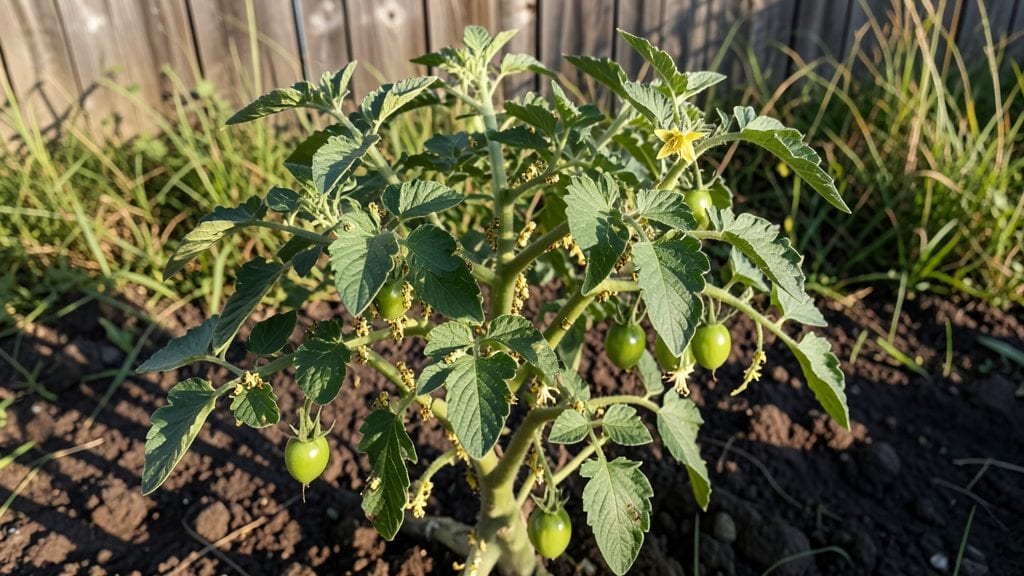
Garden plant pests are the silent saboteurs of every gardener’s hard work, but I’ve found that the right repellent blends can turn the tide without harming your plants—or your conscience. 🌱 The key is understanding which pests target which plants, then using targeted sprays that actually work, not just scare them away for a day.
My go-to blends include neem oil for sucking insects, garlic spray for fungal issues, and a simple soap solution that dissolves aphids on contact.
Most gardeners make the mistake of treating every pest the same way, but that’s like using a sledgehammer for a nail. Instead, I match the remedy to the problem: slugs need copper barriers, spider mites need a strong water spray, and Japanese beetles need handpicking (yes, really).
The best part? These blends are cheap, easy to make, and won’t leave your veggies tasting like chemicals. You’ll see results within days if you act fast.
What you’ll get is a garden that thrives without constant battles. No more wilted leaves from aphids, no more chewed-up hostas from slugs, and no more yellowing foliage from spider mites. The blends I use are gentle enough for edible plants but tough enough to keep pests away for weeks.
Plus, they’re safe for pollinators when applied at the right time—no more killing bees while trying to save your tomatoes.
Whether you’re dealing with aphids on roses, beetles on zucchini, or mites on peppers, these blends adapt to the pest and the plant. The secret is consistency: apply them every 7–10 days, and your garden will stay lush and productive.
No more guesswork, just results. Let’s get those pests under control for good.
Root Causes Of Garden Invaders
Understanding why pests target your garden is the first step to creating effective, humane defenses. These tiny troublemakers don’t just appear out of nowhere—they’re drawn by specific conditions that make your plants look like an all-you-can-eat buffet.
Let’s break down the science behind their behavior and how your garden might be unknowingly inviting them.
Pests thrive in cluttered gardens because dense foliage creates:
- Higher humidity – Moisture-loving insects like aphids and slugs love the damp microclimates formed by tightly packed leaves.
- Less airflow – Poor circulation slows down plant recovery, making them more vulnerable to stress and pest attacks.
- Easier hiding spots – Overgrown plants provide shelter for pests to lay eggs and multiply undetected.
Actionable fix: Prune regularly to improve airflow and reduce hiding spots. Aim for 12–18 inches of space between mature plants to discourage infestations.
Stressed plants are like neon signs for pests.
When plants lack essential nutrients (especially nitrogen, phosphorus, or potassium), they become: - Weakened – Pests like spider mites and whiteflies attack plants that can’t fight back. - Sticky or discolored – Some pests (e.g., aphids) are drawn to plants producing excess honeydew, a sugary byproduct of stress. - More susceptible to disease – A compromised plant’s immune system makes it easier for pests to spread pathogens.
Actionable fix: Conduct a soil test every 2–3 years and amend with compost or organic fertilizers. Focus on balanced NPK ratios (e.g., 10-10-10) to keep plants resilient.
Pests have very specific moisture preferences. Here’s how your watering habits might be attracting them: - Overwatering – Slugs, snails, and fungal gnats love soggy soil.
Excess moisture also weakens plant roots, making them easier targets. - Underwatering – Drought-stressed plants produce volatile organic compounds (VOCs) that signal distress, luring pests like thrips and leaf miners. - Irregular watering – Inconsistent moisture creates osmotic stress, making plants more attractive to sap-sucking insects.
Actionable fix:
- Water deeply but infrequently (1–2 inches per week, depending on climate).
- Use drip irrigation to avoid wetting foliage, which can attract fungal pests.
- Water in the early morning to reduce humidity-related pest activity.
A messy garden is an open invitation for pests.
Debris, fallen leaves, and plant waste create: - Breeding grounds – Eggs from pests like Japanese beetles or squash bugs overwinter in leaf litter. - Food sources – Decaying organic matter attracts scavengers like earwigs and cutworms. - Disease vectors – Pests hiding in mulch or weeds can spread viruses (e.g., tomato mosaic virus) to healthy plants.
Actionable fix:
- Remove debris weekly, especially after storms or harvests.
- Rotate crops annually to disrupt pest life cycles.
- Use clean mulch (e.g., straw or shredded bark) and avoid piling it against plant stems.
Pests don’t just target your garden—they’re influenced by broader ecological factors:
- Climate shifts – Warmer winters allow pests like emerald ash borers to survive in new regions.
- Nearby monocultures – Large fields of a single crop (e.g., corn or soybeans) can overflow with pests that then migrate to gardens.
- Wildlife corridors – Birds, rodents, or even deer can accidentally introduce pests (e.g., burrowing insects or seed-borne diseases).
Actionable fix:
- Diversify plantings with native species to disrupt pest life cycles.
- Create buffer zones with pest-repelling plants (e.g., marigolds, basil, or garlic) near vulnerable crops.
- Monitor local pest reports from agricultural extensions for early warnings.
Even "safe" garden practices can accidentally invite pests: - Overuse of synthetic fertilizers – Can lead to nutrient burn, weakening plants and making them more attractive to pests. - Pesticide resistance – Repeated use of the same chemical trains pests to evolve resistance, leading to worse infestations. - Soil pH extremes – Most pests prefer slightly acidic to neutral soil (pH 6.0–7.0).
Extremes (e.g., pH <5.0) can attract others like wireworms or cutworms.
Actionable fix:
- Test soil pH and amend with lime (to raise pH) or sulfur (to lower pH) as needed.
- Rotate organic pest controls (e.g., neem oil, insecticidal soap) to prevent resistance.
- Use compost tea to improve soil microbial balance naturally.
Pro Tip: 🌡️ Heat and pests go hand-in-hand—many insects are most active when temperatures hit 75–85°F. If your garden is a heat trap (e.g., dark mulch, south-facing exposure), pests will linger longer. Try reflective mulches or shade cloth to cool things down.
Quick Fixes for Common Garden Invaders
When pests crash your garden party, the key is acting fast with the right mix of humane, effective solutions. Below, we’ll match the most common culprits to targeted fixes—plus prevention tips to keep your plants thriving long-term.
Fix: These tiny green/black clusters drain plants but are easy to evict.
- 🔥 Spray with Soapy Water (Best for Small Infestations) Mix 1 tsp mild liquid soap (like Castile) + 1 quart water in a spray bottle. Directly hit aphids until they drop off.
Repeat every 2–3 days until gone. Pro Tip: 💡 Use neem oil soap blend (1 tsp neem oil + 1 tsp soap) for extra pest-repelling power.
- 🍳 Introduce Beneficial Insects (Long-Term Defense) Ladybugs, lacewings, and parasitic wasps love aphids. Buy them online or attract them with dill, fennel, or marigolds in your garden.
- 🌿 Prevention:
- Prune crowded foliage (aphids hide in tight spots).
- Plant garlic or chives nearby—their scent deters them.
Fix: These slimy bandits leave chewed leaves and silvery trails at dawn.
- 👨🍳 Beer Traps (Free & Effective) Bury a small container (like a yogurt cup) filled with beer at soil level. Slugs crawl in and drown. Refresh every 3–4 days.
- 🥘 Copper Barriers (Physical Blockade) Wrap copper tape around pots or garden beds—slugs hate the electric-like shock it creates. Works for container gardens too!
- 🔪 Diatomaceous Earth (DE) (Safe but Use Sparingly) Sprinkle food-grade DE around plants. It’s non-toxic but dehydrates slugs. Reapply after rain.
- 🌡️ Prevention:
- Water in the morning (slugs hide when soil is dry).
- Remove hiding spots (boards, thick mulch) near plants.
Fix: Tiny white moths that flutter when you disturb leaves? Yellow sticky traps are your best friend.
- 🔪 Yellow Sticky Cards (Catches Adults Fast) Hang 2–3 yellow cards near infected plants. Replace when 70% covered in bugs.
- 🍳 Neem Oil Spray (Kills Eggs & Adults) Mix 1 tbsp neem oil + 1 tsp soap + 1 quart water. Spray undersides of leaves (where eggs hide). Repeat every 5–7 days.
- 🌿 Prevention:
- Inspect new plants before bringing them home (whiteflies hitchhike!).
- Encourage wasps (like Encarsia formosa)—they parasitize whitefly larvae.
Fix: Ragged leaves? Handpick or disrupt their life cycle.
- 🔪 Handpick & Drop in Soapy Water Wear gloves, pluck caterpillars into a bucket of soapy water (they’re not harmful to touch).
- 🥘 Bacillus thuringiensis (Bt) (Organic Bacteria Spray) This natural bacteria kills caterpillars but harms no other insects. Spray at dusk for best results.
- 🌿 Prevention:
- Remove egg masses (look for tiny yellow clusters on leaves).
- Plant basil or thyme nearby—their scent repels many caterpillars.
Fix: Ants farm aphids (yuck!) and raid your soil. Disrupt their trails.
- 🔥 Diatomaceous Earth (DE) Barrier Sprinkle DE along ant paths—it dries them out without harming plants.
- 🍳 Vinegar Spray (For Outdoor Ants) Mix 1:1 water + white vinegar, spray directly on trails. Reapply after rain.
- 🌿 Prevention:
- Keep mulch away from plant stems (ants nest there).
- Plant mint or lemon balm—ants avoid these scents.
✅ Rotate crops yearly to confuse pests. ✅ Plant companion flowers (marigolds, nasturtiums) to mask vulnerable plants. ✅ Inspect plants weekly—early action = less damage. ✅ Avoid overwatering (slugs, fungus gnats, and some beetles love damp soil).
Final Thought: Most garden pests are easy to outsmart with the right mix of physical barriers, natural sprays, and beneficial allies. Start with one fix per pest, monitor progress, and adjust as needed—your garden will thank you! 🌱🚫🐛
Frequently asked questions
How do I tell if my plants are being attacked by pests?
Look for visible signs like chewed leaves, sticky residue (honeydew), or tiny holes. Aphids leave curled leaves, slugs create silvery trails, and spider mites cause fine webbing. Check undersides of leaves and stems—many pests hide there. Early detection is key!
Are homemade sprays as effective as store-bought pesticides?
Yes! Blends like neem oil + soap or garlic-chili spray work well for many pests. They’re just as effective for small infestations but safer for pollinators. Store-bought chemicals often kill beneficial insects too—homemade sprays target pests without collateral damage.
Why do pests keep coming back even after I treat them?
Pests return when their food (your plants) is still available or hiding spots remain. Reapply treatments every 7–10 days, remove infested leaves, and improve airflow. Also, check for new eggs or larvae—many pests have short life cycles and reproduce quickly.
Can I use these repellent blends on edible plants?
The blends in this guide are food-safe after residue dries (wait 24 hours before harvesting). Avoid overusing strong solutions like vinegar near sensitive herbs. Always test a small area first to ensure no plant sensitivity.