Companion Plants
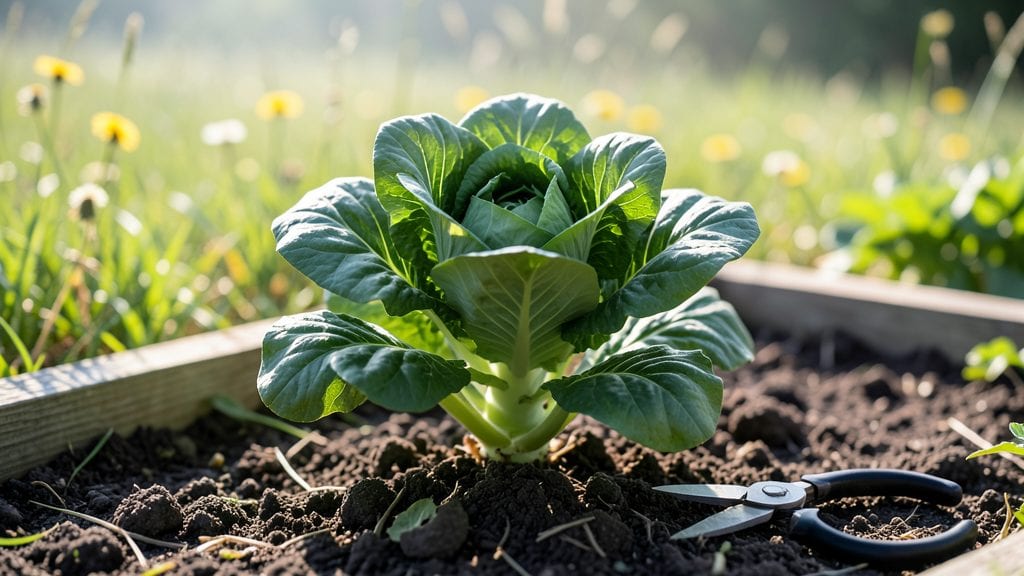
These beginner garden plants can transform a blank patch into a lush, productive garden in weeks—no green thumb required. ✨ I’ve spent years testing the hardiest varieties that still deliver stunning blooms and bountiful harvests, because even busy gardeners deserve effortless success.
The key is choosing plants that outpace weeds, tolerate occasional neglect, and reward you with visible progress.
Start with a handful of herbs like basil or chives—they grow fast, need minimal space, and you’ll actually use what you grow. Add radishes for a quick vegetable win (they’re ready in about 30 days) or bush beans, which climb fast and produce for weeks.
These plants handle partial shade better than most, so you’re not stuck with a perfect south-facing plot.
By midseason, you’ll have lush foliage and edible rewards without the overwhelm. The secret isn’t fancy tools—it’s picking plants that grow faster than your doubts. Once you see those first radish greens or basil leaves, gardening stops feeling like a chore and starts feeling like a victory.
Works for containers, raised beds, or in-ground spots—no experience required. Let’s get those seeds in the ground (or pots on the porch) and build some confidence along the way.
📚 In This Guide
- What you need
- Instructions
- Tips and common mistakes
- Wrapping up and next steps
What you need
- ● Beginner-friendly seeds or seedlings: 5–10 packets of fast-growing companion plants (e.g., radishes, lettuce, bush beans, marigolds, or nasturtiums). Choose blank">heirloom or organic varieties for best results.
- ● Quantity tip: Start with 3–5 plants per variety to avoid overwhelming yourself.
- ● Potting soil or garden bed soil: 1–2 50-lb bags of high-quality potting mix (look for "organic" or "compost-blend" labels). Avoid garden soil if you’re container gardening—it compacts too easily!
- ○ Optional boost: Mix in 1 cup of compost or balanced fertilizer (10-10-10) per 5-gallon container.
- ● Containers or garden space: Containers: 3–5 5–10 gallon pots with drainage holes (plastic, fabric, or ceramic work). Pro tip: Black pots absorb heat—great for warm-weather crops!
- ● Garden beds: A 4’x4’ raised bed or in-ground plot (sunny spot, 6+ hours of light daily).
- ● Basic hand tools: 1 trowel (for planting and soil prep)
- ● 1 pruning shears (for harvesting or trimming)
- ● 1 watering can (with a rose nozzle for gentle watering) OR_ a hose with adjustable spray.
- ○ Optional (but helpful!) upgrades: 1 gloves (gardening or work gloves to protect your hands)
- ● 1 small rake (for leveling soil in containers or beds)
- ● 1 plant marker set (to label your fast growers—trust us, you’ll forget what’s what!)
- ○ 1 moisture meter (optional but game-changing for avoiding over/under-watering).
- ● Sunlight: A spot with at least 6 hours of direct sunlight per day (more = happier plants!).
- ● Water source: Easy access to water (a 5-gallon watering jug on a shelf works great).
- ● Time commitment: 10–15 minutes daily for watering and light checks (seriously, that’s it!).
- ● Patience (but not too much!): Fast growers like radishes or bush beans sprout in 3–7 days—instant gratification!
Instructions for fast-growing beginner garden plants
Here’s how to select and grow four reliable, quick-to-harvest plants that thrive with minimal fuss.
🌱 Step 1: Choose the Right Fast-Growing Plants
Start with bush beans, radishes, lettuce, and zucchini—they mature in 30-60 days and tolerate beginner mistakes better than most. Bush beans and radishes grow quickly even in cooler soil, while zucchini and lettuce reward patience with abundant harvests. I always plant these in 4-foot-wide beds for easy access and minimal bending.
Check your last frost date and plant radishes 2-3 weeks before the first warm snap—they germinate in 3-5 days and mature in 25-30 days. Zucchini and bush beans need soil at 60°F+, so wait until 2 weeks after your last frost. Lettuce handles cooler temps but bolts faster in heat, so plant it in partial shade during summer.
🪴 Step 2: Prepare Soil and Plant Seeds
Loosen the top 6 inches of soil with a fork or tiller to break up compaction—these plants need well-draining, fertile soil. Mix in 2-3 inches of compost (from your supplies) to boost nutrients without overloading roots. I like to rake the surface smooth afterward so seeds have even contact with the soil.
Plant radishes and lettuce seeds directly in the garden—no need for transplanting. Scatter radish seeds ½ inch apart in rows 12 inches apart, covering them with ¼ inch of soil. For lettuce, sow seeds ½ inch apart in rows 10 inches apart, pressing them lightly into the soil. Water gently with a fine spray until the soil looks evenly moist but not soggy.
☀️ Step 3: Water and Maintain Consistent Moisture
Keep the soil consistently moist but never waterlogged—these plants wilt fast when dry. Water early in the morning to reduce evaporation and fungal risks. Radishes and lettuce need about 1 inch of water per week, while zucchini and bush beans drink more—1.5-2 inches weekly once they start vining. I use a soaker hose to deliver water at the base without disturbing seedlings.
Watch for yellowing leaves—this signals overwatering or poor drainage. If the soil feels muddy to the touch, cut back on watering. Mulch with 2 inches of straw (from your supplies) to retain moisture and suppress weeds. Replenish mulch every 3-4 weeks as it breaks down.
✂️ Step 4: Thin and Harvest for Continuous Growth
When radish seedlings reach 1 inch tall, thin them to 2 inches apart by snipping excess plants at the base with scissors. This prevents overcrowding and ensures larger, sweeter roots. Lettuce can stay slightly closer (3 inches apart) but harvest outer leaves first to encourage regrowth. Zucchini and bush beans don’t need thinning—just stake or trellis them as they grow to save space.
Harvest radishes when tops reach 1 inch—they get woody if left too long. Pick lettuce leaves as needed, cutting just above the base to promote bushier growth. For zucchini, harvest when fruits are 6-8 inches long—they grow fast, and skipping harvests slows production. I check the garden every 2-3 days in peak season to avoid missing the sweet spot.
🌿 Step 5: Extend the Season with Simple Tricks
Protect late-season crops with floating row covers (lightweight fabric) to shield from frost or pests. Radishes and lettuce can tolerate light frosts, but zucchini and beans need warmer temps. If your growing season ends early, try container growing—zucchini and bush beans thrive in 5-gallon pots with proper drainage.
Rotate crops next year to prevent soil depletion. I keep notes on what worked—like planting bush beans where tomatoes grew last season—because they fix nitrogen naturally. Fast-growing plants like these make gardening feel achievable and rewarding without the wait.
Tips & tricks for perfect fast-growing beginner garden plants
Here's what I've learned after growing these same plants for years—small tweaks that make all the difference for busy gardeners.
Timing is Everything: Radishes are the fastest growers in your lineup, so plant them first—2-3 weeks before your last frost date—as instructed. I've found that planting radishes in two separate batches 10 days apart gives you a staggered harvest instead of one overwhelming batch all at once. The 3-5 day germination is your first sign they're working, so don't panic if nothing appears immediately.
Soil Temperature Matters: The instructions mention 60°F soil is ideal for zucchini and bush beans, but I've learned to verify this with a soil thermometer. Cold soil slows germination dramatically. If your soil runs cooler, consider using black plastic mulch 1-2 weeks before planting to warm it up naturally. For lettuce, cooler soil (even 40°F) works fine—it actually helps prevent bolting in hot weather.
Thinning Technique: When thinning radishes to 2 inches apart as instructed, I use clean kitchen scissors instead of pulling by hand. This prevents disturbing nearby seedlings. For lettuce, I leave them slightly closer (3 inches apart) but harvest outer leaves first—this gives you both continuous harvests and bushier plants without thinning. The key is to harvest when leaves reach 4-6 inches tall to keep the plant productive.
Harvesting Hacks: For zucchini, I check the garden every 2-3 days during peak season because they grow so fast. When fruits reach 6-8 inches, I harvest with a sharp knife, cutting the stem cleanly. This prevents damage to the plant and encourages more production. I've also found that harvesting in the morning gives you the freshest, firmest produce since plants contain the most moisture then.
Pro Tips for Beginner Garden Plants
- Here's what I've learned after growing these same plants for years—small tweaks that make all the difference for busy gardeners.
- Timing is Everything: Radishes are the fastest growers in your lineup, so plant them first—2-3 weeks before your last frost date—as instructed.
- Soil Temperature Matters: The instructions mention 60°F soil is ideal for zucchini and bush beans, but I've learned to verify this with a soil thermometer.
Frequently asked questions
Got questions about diving into beginner-friendly gardening? You’re not alone! Here are some of the most common queries—plus quick, actionable answers to help you grow with confidence.
What are the easiest plants for a first-time gardener?
Start with fast-growing, low-maintenance plants like bush beans, radishes, lettuce, or marigolds. These thrive in partial sun, forgive occasional watering slips, and deliver rewards in weeks—not months! For companionship, pair them with basil or nasturtiums to deter pests naturally.
How soon can I expect to see results with beginner plants?
Most fast-growing companions (like radishes or green beans) sprout in 7–21 days, while leafy greens (e.g., spinach) take 3–4 weeks. Herbs like basil mature in 4–6 weeks. Pro tip: Check seed packets for "days to harvest" and plant in succession for a continuous harvest!
How often should I water beginner garden plants?
New plants need consistent moisture—aim for 1 inch of water per week, either from rain or manual watering. Morning watering is best to reduce evaporation. Mulch (like straw or shredded leaves) locks in moisture and cuts down on weeding. Overwatering? Yellow leaves or moldy soil are red flags—adjust based on your local climate!
What do I do if pests show up in my beginner garden?
Don’t panic! Start with preventative tactics: Handpick pests (like aphids) early, or spray with soapy water (1 tsp mild soap + 1 quart water). Companion plants help too—marigolds repel nematodes, and basil deters flies. For stubborn issues, introduce beneficial insects (like ladybugs) or use neem oil as a last resort.
Can I grow these plants in containers or small spaces?
Absolutely!
Many beginner plants thrive in 5-gallon pots or window boxes. Opt for compact varieties like bush beans, dwarf tomatoes, or cherry peppers. Ensure containers have drainage holes and use lightweight potting mix. Herbs (basil, parsley, chives) are perfect for balconies—just give them 4–6 hours of sun daily.
What’s the best time of year to plant these?
Timing depends on your hardiness zone, but cool-season crops (lettuce, spinach, peas) love spring/fall, while warm-season plants (beans, tomatoes, basil) need after the last frost (usually late April–May in most regions). Pro move: Use a planting calendar or local extension service for zone-specific tips!
Wrapping up and next steps
Starting a garden as a beginner doesn’t have to feel overwhelming—especially when you choose fast-growing, low-maintenance plants that thrive together! 🌱 From sun-loving herbs like basil and thyme to hardy veggies such as radishes and bush beans, these companions grow quickly, repel pests, and reward you with beauty (or flavor!) in no time.
Remember: confidence grows with every seed you plant.
Ready to dive in? Start small: Pick 1-2 plants from this list, grab your tools, and let nature do the rest. Soon, you’ll be harvesting fresh greens or admiring blooms—proof that even busy thumbs can cultivate a thriving garden! Happy planting! 🌿