
Fertilization
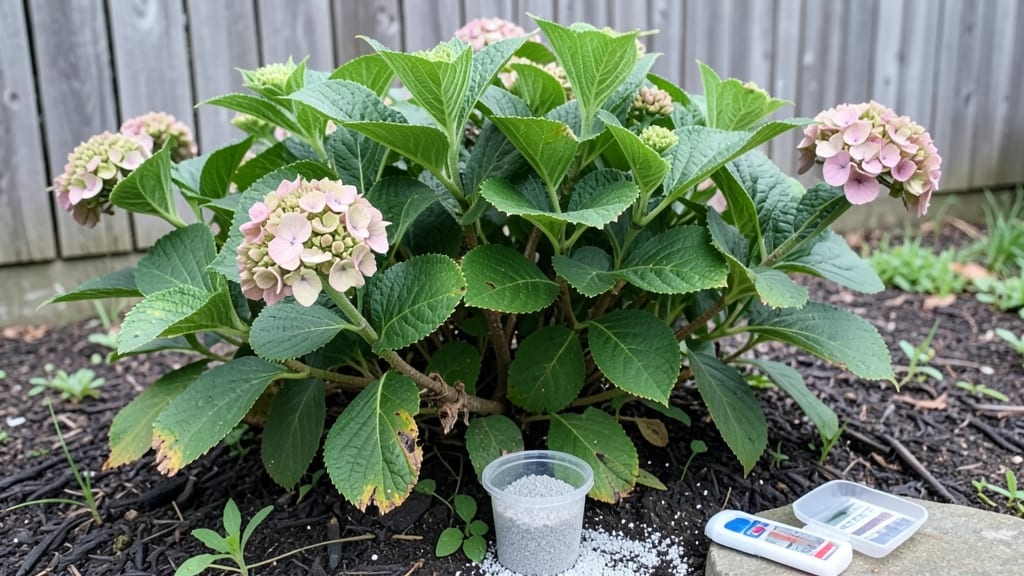
pH in gardening determines soil acidity or alkalinity, with most plants thriving between 6.0 and 7.0. Acid-loving plants like blueberries need 4.5–5.5, while alkaline-tolerant crops such as asparagus prefer 7.0–8.0. Test soil regularly and adjust with lime (to raise pH) or sulfur (to lower it).
Understanding soil pH isn't just about hitting the right number—it's about unlocking the nutrients your plants can actually use. For example, iron becomes far more accessible to plants in acidic conditions, which is why blueberries thrive in 4.5–5.5 pH soil, while alkaline soils make phosphorus less available, often leading to stunted growth if not corrected. Yellowing leaves or poor flowering can be your first clues that the soil chemistry is off balance.
Testing your soil is the first step to fixing these issues, and the good news is you don’t need a lab to get started. DIY test kits are affordable and give you quick results, but if you're dealing with a large garden or commercial space, a lab test provides more precise data.
Once you know your pH, you can make targeted adjustments—like mixing in wood ash for alkaline soils or pelletized sulfur for acidic ones—to create the perfect growing environment for your plants. 🔥
💡 In This Article
- How Soil pH Affects Nutrient Availability for Plants
- Step-by-Step Guide to Testing and Adjusting Garden Soil pH
How soil pH affects nutrient availability for plants
Soil pH directly controls which nutrients plants can absorb by altering their chemical forms. At lower pH levels (4.5–5.5), hydrogen ions increase, making nutrients like iron, manganese, and zinc more soluble and available. This is why acid-loving plants like azaleas and blueberries thrive—their roots can easily access these micronutrients.
Conversely, at higher pH levels (7.0–8.0), these same nutrients often bind to soil particles, becoming locked away and unavailable, even if they're present in the soil. 🌱
The solubility of phosphorus behaves oppositely—it becomes less available in highly acidic soils (pH below 5.5) because it binds tightly to aluminum and iron oxides. However, in alkaline soils (pH above 7.5), phosphorus also becomes less accessible as it binds to calcium and magnesium.
This dual challenge explains why many plants struggle in extreme pH conditions, even with ample fertilizer. For example, tomatoes grown in pH 6.0–6.8 soil absorb phosphorus efficiently, but at pH 5.0 or 8.0, their growth slows dramatically due to phosphorus deficiency.
Micronutrient uptake follows precise pH-dependent patterns. At pH 5.5–6.5, most essential nutrients—including nitrogen, potassium, and calcium—remain soluble and plant-accessible. But outside this range, deficiencies emerge. For instance, iron chlorosis (yellowing leaves with green veins) occurs when soil pH exceeds 7.0, preventing iron uptake despite its presence.
Similarly, manganese toxicity can develop in overly acidic soils (pH below 5.0) because excess manganese dissolves and accumulates in plant tissues. 💛
Visual clues like stunted growth, yellowing foliage, or poor flowering often signal pH-related nutrient imbalances. For example, blueberries in pH 6.0+ soil may develop chlorotic leaves due to iron deficiency, while asparagus in pH 5.5–6.0 might suffer from manganese toxicity.
Testing soil pH before planting helps avoid these issues by guiding amendments like elemental sulfur (to lower pH) or dolomitic lime (to raise pH), ensuring nutrients are chemically "unlocked" for optimal plant health.
Even organic matter plays a role in pH-dependent nutrient dynamics. Compost and peat moss naturally acidify soil over time, releasing nutrients gradually, while wood ash raises pH by adding potassium and calcium.
The key is balancing these inputs to maintain a stable pH where nutrient solubility aligns with your plants' needs.
For instance, adding 1 pound of sulfur per 100 square feet can lower pH by 1 unit over 2–3 months, while 5 pounds of lime per 100 square feet raises pH by 1 unit in 3–6 months. Precision matters—overcorrecting can create new deficiencies. ✨