
Pests
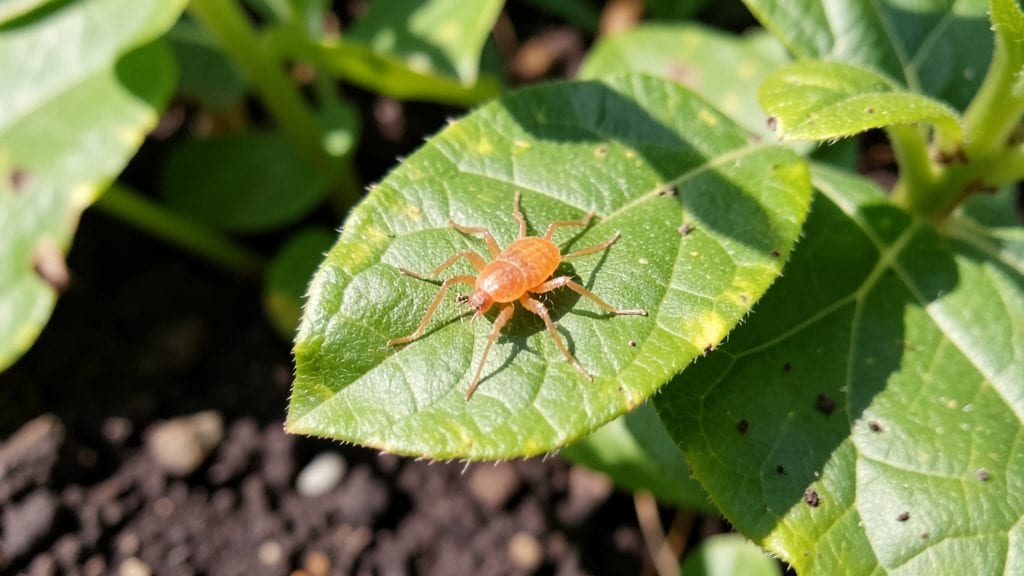
Orange garden insects might look pretty, but they can turn your thriving plants into a buffet. 🌿 I’ve battled everything from citrus aphids to orange beetles, and I’ll show you how to identify them fast—because spotting the problem early means saving your garden before the damage spreads.
Some of these orange invaders are harmless, like the striking orange tortoiseshell butterfly, while others, like the orange citrus aphid, will drain your plants dry. The key is knowing their habits: where they hide, what they eat, and when they strike hardest.
Once you recognize the signs—sticky leaves, chewed foliage, or tiny orange specks—you’ll be ready to act.
Natural remedies like neem oil, insecticidal soap, or even a strong spray of water can send them packing. I’ve tested these methods on my own garden, and within days, the orange pests were gone—without harming my plants or the helpful bugs that keep the ecosystem balanced.
Whether you’re dealing with a sudden outbreak or just want to prevent one, these strategies work year-round. The best part? You’ll know exactly which orange insects to protect—and which to banish for good.
Root Causes of Orange Garden Invaders
Orange garden insects—whether they’re orange tortoise beetles, citrus aphids, or harlequin bugs—don’t just appear out of nowhere. Their presence is usually a response to specific conditions in your garden.
Understanding why these pests show up is the first step to preventing them. Let’s break down the key triggers:
Healthy plants are resilient, but when they’re stressed, they become prime targets for pests. Orange garden insects often thrive in environments where plants are:
- Nutrient-deficient: Lack of nitrogen, phosphorus, or potassium weakens plant defenses. Insects like orange tortoise beetles detect stressed foliage and feast on it.
- Overcrowded: Poor air circulation traps moisture, creating the perfect breeding ground for aphids and other sap-sucking pests.
- Waterlogged or drought-stressed: Both extremes disrupt plant immunity. Harlequin bugs, for example, prefer damp soil where they can lay eggs near host plants.
Actionable fix: Prune regularly, space plants for airflow, and maintain consistent watering. A balanced 10-10-10 fertilizer can boost plant vigor.
Not all plants are equally appealing to orange garden insects. Some act like a neon "eat me" sign:
- Citrus trees: Citrus aphids and scale insects adore the sweet sap of oranges, lemons, and limes. Their bright orange hue is a dead giveaway.
- Legumes and beans: Orange tortoise beetles target these plants, especially in warm climates.
- Weeds like pigweed or lambsquarters: These act as "trap crops," drawing pests away from your prized garden.
Actionable fix: Remove infested plants immediately. If citrus is non-negotiable, isolate it from other crops and monitor for early signs of pests.
Orange garden insects love warmth and humidity. Here’s why:
- Faster reproduction: Temperatures above 75°F (24°C) accelerate the life cycle of pests like harlequin bugs, leading to explosive populations.
- Moisture retention: Humid conditions help aphids and beetles stay hydrated, making them more active and aggressive.
- Soil warmth: Eggs of many orange pests (e.g., stink bugs) hatch faster in heated soil, giving larvae a head start.
Actionable fix:
- Use mulch to regulate soil temperature (straw or wood chips work well).
- Improve drainage to reduce humidity around plant bases.
- Install row covers in early spring to delay pest emergence.
In a balanced ecosystem, birds, ladybugs, and parasitic wasps keep orange garden pests in check. But if these predators are missing, pests thrive:
- Pesticide overuse: Broad-spectrum chemicals wipe out beneficial insects faster than pests, creating a vacuum.
- Monoculture gardening: Planting the same crops year-round removes habitat diversity, reducing predator populations.
- Urban/suburban gardens: Fewer wild predators mean fewer checks on beetle and bug populations.
Actionable fix:
- Introduce beneficial nematodes or ladybugs to target specific pests.
- Plant companion plants like marigolds or dill to attract predator insects.
- Avoid chemical sprays—opt for neem oil or soapy water instead.
By addressing these root causes, you’re not just treating the symptoms—you’re starving the problem at its source. Next, we’ll explore how to turn the tide with targeted, chemical-free remedies.
Quick Fixes for Garden Pests
Dealing with unwanted orange garden insects can be frustrating, but the right approach can restore your garden’s health quickly. Below are targeted solutions based on common causes—whether it’s overcrowded plants, poor drainage, or an attraction to decaying matter.
Each fix is designed to be easy, natural, and effective, with bonus prevention tips to keep pests away for good.
If your garden is packed with plants competing for space, it’s an open invitation for pests like orange-colored aphids or scale insects. Thinning out foliage and improving airflow reduces hiding spots and stress on plants.
How to Fix It:
- 🍃 Prune aggressively – Remove 20-30% of dense foliage to open up the garden. Focus on lower branches where pests love to hide.
- 🌱 Space plants properly – Follow seed packet guidelines for mature plant spacing. Crowded roots attract fungus gnats and other soil-dwelling pests.
- 💡 Pro Tip: Use a hand lens to inspect leaves for tiny orange eggs or larvae. Early removal prevents infestations.
Prevent Future Issues:
- Rotate crops annually to disrupt pest life cycles.
- Mulch lightly (1-2 inches) to retain moisture without smothering roots.
Orange garden insects like fungus gnats or root maggots thrive in soggy soil. Poor drainage creates the perfect breeding ground for moisture-loving pests.
How to Fix It:
- 🔪 Improve drainage – Mix sand or perlite into heavy clay soil. For containers, add coarse gravel at the bottom before repotting.
- 💧 Adjust watering habits – Water deeply but less frequently (1-2 times per week) to encourage roots to grow deeper and dry out the surface.
- 🌡️ Solarize the soil (for extreme cases) – Cover moist soil with clear plastic for 4-6 weeks in summer. The heat kills larvae and eggs.
Prevent Future Issues:
- Test your soil’s pH – Aim for 6.0-7.0; acidic soil (below 5.5) attracts more pests.
- Use raised beds if your yard has poor natural drainage.
Fallen fruit, rotting leaves, and old mulch pile up orange-colored fruit flies and sap-sucking insects. A clutter-free garden is a pest-free garden.
How to Fix It:
- 🧹 Remove debris immediately – Rake up fallen leaves, prune dead branches, and compost only dry, clean matter (no moldy or infested plant parts).
- 🍋 Trap adult pests – Place a vinegar trap (1 cup vinegar + 1 drop dish soap in a jar) near affected areas. Fruit flies are drawn in and drown.
- 🍳 DIY orange peel spray – Blend orange peels + water, strain, and spray on plants. The citrus scent repels many garden pests.
Prevent Future Issues:
- Harvest promptly – Pick ripe fruit and veggies within 24 hours of ripening to avoid overripe attractants.
- Store compost bins far from plants (at least 10 feet away).
If you’ve spotted orange larvae, beetles, or aphids, act fast with physical removal and natural sprays before they spread.
How to Fix It:
- 👨🍳 Handpick adults – Drop them into soapy water (1 tbsp dish soap per gallon). Do this early morning when pests are sluggish.
- 🥘 Neem oil spray – Mix 1 tbsp neem oil + 1 tsp mild soap + 1 quart water. Spray directly on pests (avoid blooming plants to protect pollinators).
- 🔪 Blow off larvae – Use a strong stream of water from a hose to dislodge eggs and young insects from leaves.
Prevent Future Issues:
- Introduce predator insects like ladybugs or lacewings, which feast on orange-colored aphids.
- Plant companion flowers (e.g., marigolds, basil) to mask plant scents that attract pests.
The best way to banish orange garden insects for good is to make your garden less appealing and more resilient. Focus on soil health, diverse planting, and regular maintenance.
How to Fix It Permanently:
- 🌱 Boost beneficial microbes – Add compost or mycorrhizal fungi to soil to outcompete harmful pests.
- 🌿 Plant pest-repelling herbs – Rosemary, thyme, and mint deter many orange-colored insects with their strong scents.
- 📅 Stay on a maintenance schedule – Monthly inspections, quarterly pruning, and seasonal soil tests keep problems small.
💡 Pro Tip: Keep a garden journal to track pest outbreaks. Note when, where, and what worked—this helps you predict and prevent future infestations.
By tackling the root cause (overcrowding, moisture, decay, or visible pests) and strengthening your garden’s defenses, you’ll see fewer orange intruders—and a healthier, happier outdoor space in no time!
Frequently asked questions
Are all orange garden insects harmful to my plants?
Not at all! Some orange garden insects are actually beneficial. For example, the orange tortoiseshell butterfly is harmless and even helps pollinate flowers. However, others like orange citrus aphids or harlequin bugs can damage plants by sucking sap or eating leaves. Always check the insect's behavior and the plant's condition to determine if action is needed.
How can I tell if my orange garden insects are harmful or helpful?
Look for these clues: harmful insects often leave visible damage like chewed leaves, sticky residue (honeydew), or distorted growth. Beneficial insects, like ladybugs or lacewings, usually don’t cause damage. You can also research the specific insect by size, shape, and behavior—many have distinct characteristics that help identify them as pests or allies.
What’s the fastest way to get rid of orange garden pests without chemicals?
Try a neem oil spray (mix 1 tbsp neem oil + 1 tsp mild soap + 1 quart water) or a soapy water spray (1 tbsp dish soap per gallon). Spray directly on the pests in the early morning or evening for best results. For immediate relief, handpick adults and drop them into soapy water, especially when they’re sluggish after dawn.
Can orange garden insects spread to my indoor plants?
Yes, but it’s rare unless you bring them in accidentally. Many orange garden pests, like aphids or beetles, can hitch a ride on plants or tools. To prevent this, inspect plants before bringing them indoors, quarantine new plants for a few days, and keep windows screened. If you spot pests, treat them immediately with natural sprays to avoid indoor infestations.
Why do I keep seeing orange garden insects even after treating them?
Pests often return if their food source (your plants) is still available or if their eggs survive treatments. To break the cycle, improve plant health with balanced fertilization, remove infested leaves, and use beneficial nematodes or ladybugs to target larvae. Consistency is key—repeat treatments every 5-7 days until the pests are fully gone.