Pests and Diseases
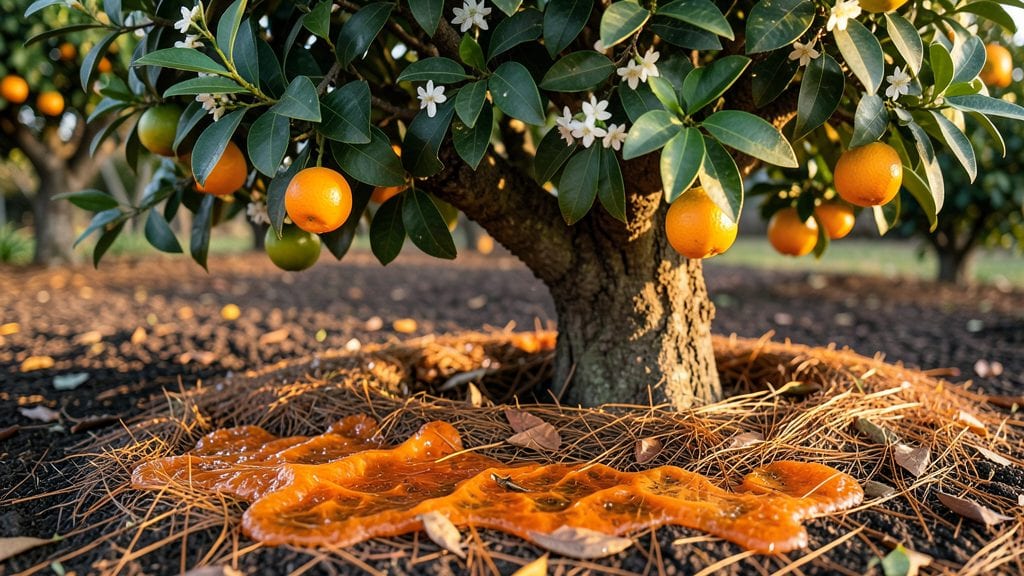
That bright orange goo creeping across your mulch isn’t just weird—it’s orange slime mold, and it’s turning your garden into a science experiment you didn’t sign up for. 🌱 I’ve scrubbed it off my own patio stones, and let me tell you, it’s not pretty when it spreads to your veggie beds or flowers.
The good news? This isn’t a fungus you need to fear—it’s more annoying than dangerous, but it will decompose your plants if left unchecked.
Here’s the deal: slime mold thrives in damp, shady spots with plenty of decaying leaves or wood chips. It’s not attacking your plants directly—it’s just feasting on the gunk around them.
The slimy yellow-orange stage is the creepy part, but the real damage comes when it dries into those powdery orange fruiting bodies that look like someone spilled cinnamon everywhere. Worse, it can hitchhike on tools or mulch, turning one patch into a full-blown garden takeover.
You can kick it out for good with a stiff spray of 3% hydrogen peroxide or a vinegar-water mix (1:1 ratio), but the real fix is prevention—better airflow, less mulch moisture, and avoiding overwatering.
I’ve seen it vanish within a week after just one treatment, but you’ll need to stay vigilant if your garden stays damp. The key is acting fast before it turns your prized petunias into a slime mold buffet.
Fair warning: this stuff is slippery when wet, so grab gloves before you tackle it. And if it keeps coming back despite your best efforts, it might be time to call in a pro—especially if you’ve got high-value crops nearby.
The rest of us? We just need to outsmart it with a little elbow grease and smarter garden habits.
Root Causes of Slime Mold Growth
Orange slime mold—technically a fungus-like protist rather than a true fungus—thrives in gardens due to a mix of environmental and biological factors. Understanding these causes is the first step to preventing and controlling outbreaks.
Below, we break down the most common reasons your garden becomes a hotspot for this slimy invader.
Slime molds love damp conditions, and excess moisture is their primary trigger. Here’s why:
- Overnight dew: When dew lingers on leaves, mulch, or soil for extended periods (especially in shaded or low-lying areas), it creates the perfect breeding ground. Slime molds release spores that germinate in these moist films.
- Poor drainage: Compacted or clay-heavy soil retains water, keeping organic matter (like fallen leaves or mulch) constantly damp. This encourages spore germination and the growth of the bright orange fruiting bodies.
- Irrigation habits: Overwatering, especially late in the day, prevents soil from drying between waterings. Slime molds often appear after heavy rains or inconsistent watering schedules that leave surfaces wet.
Pro tip: 💡 Aim for even moisture—water deeply but infrequently, and avoid wetting foliage. If your garden has drainage issues, amend the soil with compost or sand to improve aeration.
Slime molds feed on decomposing plant material, making leaf litter, mulch, and compost prime targets. Here’s how it happens:
- Thick mulch layers: Mulch over 2–3 inches thick traps moisture and blocks airflow, creating an anaerobic environment where slime molds flourish. They thrive on the cellulose in decomposing leaves, wood chips, or grass clippings.
- Unraked leaves: Fallen leaves left on lawns or garden beds decompose slowly, forming a damp, nutrient-rich mat. Slime molds often appear in these areas as they break down the organic material.
- Compost piles: While composting is great for soil health, poorly managed piles (too wet, not turned frequently) can become slime mold hotspots. The mold spreads via spores released from decomposing veggies or yard waste.
Pro tip: ✨ Rake up fallen leaves regularly, especially in shaded areas, and limit mulch depth to 1–2 inches. Turn compost piles frequently to prevent moisture buildup.
Slime molds are shade-loving opportunists. Here’s why they target low-light areas:
- Limited sunlight: Direct sunlight evaporates excess moisture, but shaded spots (under trees, dense shrubs, or fences) stay damp longer. Slime molds thrive in these humid microclimates.
- Stagnant air: Poor airflow traps moisture near the soil surface. Gardens with crowded plants or structures (like greenhouses or cold frames) create pockets where spores linger and germinate.
- Ground cover: Thick ground covers (like ivy or hostas) block airflow and retain moisture, making the soil beneath ideal for slime mold growth.
Pro tip: 🌡️ Prune overgrown plants to improve airflow, and avoid planting dense ground covers in areas prone to moisture retention. If possible, introduce sunlight with strategic thinning or reflective surfaces (like white gravel).
While slime molds aren’t true parasites, they do favor gardens with high organic content. Here’s the connection:
- Fertile soil: Gardens amended with compost or rich topsoil provide ample nutrients for decomposers. Slime molds feed on the byproducts of bacterial and fungal decomposition, so over-fertilized areas are more attractive.
- Freshly tilled beds: Disturbing soil (especially after heavy rain) exposes buried organic matter, which slime molds quickly colonize. This is why they often appear after gardening activities like planting or weeding.
- Dead plant material: Diseased or dead plants (e.g., mushrooms, rotting roots) release sugars and cellulose that slime molds break down for energy.
Pro tip: 🎯 Balance soil fertility with moderate organic amendments. Avoid over-fertilizing, and remove dead plant debris promptly to deny slime molds a food source.
By addressing these root causes—moisture, organic buildup, shade, and nutrient levels—you can create an environment where slime molds struggle to take hold. The key is prevention through proper garden hygiene and smart watering practices.
How to Fix Orange Slime Mold
Orange slime mold might look like a colorful (but creepy) science experiment gone wrong, but don’t let its vibrant appearance fool you—it’s a nuisance that can spread quickly if left unchecked. The good news? With the right approach, you can eliminate it naturally and prevent it from returning.
Below, we’ll break down targeted solutions based on the most common causes, from overwatered soil to decaying organic matter. Follow these steps to reclaim your garden’s health—without harsh chemicals!
Slime mold thrives on rotting leaves, mulch, or compost piles that are too damp. If you spot orange patches on logs, bark, or leaf litter, act fast!
- 🍂 Rake and remove all infected plant debris (gloves recommended—this stuff is sticky).
- 🔪 Trim back overgrown plants or dense foliage where moisture traps.
- 🌡️ Dry it out: Spread debris in a single layer on a tarp or screen in the sun for 2–3 days to kill spores.
- 🗑️ Dispose of heavily contaminated material in the trash (not compost—it can reinfect).
💡 Pro Tip: If slime mold keeps returning, avoid thick mulch layers near affected areas. Opt for coarser mulch (like pine straw) that allows airflow.
Slime mold loves excess humidity—think of it as a fungus that’s always crashing at a damp, shady hangout. Cut off its water supply with these fixes:
- 👨🍳 Water early in the day so soil has time to dry before evening dew sets in.
- ⏰ Reduce frequency: Let the top 1–2 inches of soil dry out between waterings.
- 🌧️ Improve drainage: Amend heavy clay soil with compost or perlite to prevent waterlogging.
- 🌿 Avoid overhead watering (drip irrigation or soaker hoses keep foliage dry).
✨ Bonus Hack: If your garden is naturally soggy, consider raised beds or swales to redirect water away from roots.
While slime mold isn’t a true fungus (it’s a protist), many natural fungicidal sprays can still disrupt its life cycle. Try these DIY treatments:
| Solution | How to Use | Frequency |
|---|---|---|
| Neem oil spray | Mix 1 tbsp neem oil + 1 tsp mild soap + 1 quart water. Spray infected areas. | Every 5–7 days until gone. |
| Hydrogen peroxide (3%) | Spray undiluted on slime mold (test on a small area first). | Repeat 2–3 times, 1 week apart. |
| Baking soda spray | 1 tsp baking soda + 1 quart water + few drops of soap. Shake well before spraying. | Weekly until slime mold disappears. |
| Vinegar spray | 1 part white vinegar + 1 part water. Spray directly (avoid desirable plants). | Early morning only (acidic!). |
🔥 Caution: Always spot-test sprays on a hidden leaf first—some plants (like acid-lovers) may react poorly.
Once you’ve kicked out the slime mold, keep it from moving back in with these garden hygiene habits:
- 🌡️ Raise humidity levels (but not soil moisture): Use decorative rocks or pebbles in pots to create airflow.
- 🍄 Rotate crops if slime mold appears in the same spot yearly (yes, it can happen!).
- 🌱 Choose resistant plants: Slime mold rarely harms living plants, but avoid overcrowding susceptible perennials like hostas or ferns.
- 🕵️♂️ Monitor compost piles: Turn compost regularly and keep it moist but not soggy (like a damp sponge).
🎯 Final Defense: Install garden flags or markers near areas prone to slime mold as a visual reminder to check moisture levels weekly.
Remember: Patience is key—slime mold can take 1–2 weeks to fully disappear after treatment. Stick with it, and your garden will stay vibrant (but not orange)! 🌿💚
Frequently asked questions
Is orange slime mold harmful to my plants or garden?
No, it won’t kill your plants directly—it feeds on decaying organic matter like leaves or mulch, not living plants. However, if left unchecked, it can spread to compost piles or create an unsightly mess. The real risk is that it may attract pests like slugs or indicate overly damp conditions that could stress your plants.
Can I use bleach to kill orange slime mold?
Bleach isn’t recommended—it can harm beneficial soil microbes and leave toxic residue. Instead, use 3% hydrogen peroxide or a vinegar-water mix (1:1 ratio). These are effective, non-toxic alternatives that won’t disrupt your garden’s ecosystem. Always spot-test first!
Why does slime mold keep coming back after I treat it?
If it keeps returning, your garden likely still has the conditions it loves: excess moisture or decaying organic matter. Check for thick mulch layers, poor drainage, or overwatering. Reduce mulch depth to 1–2 inches, improve airflow, and water only in the morning to let soil dry before nightfall.
Will slime mold spread to my vegetables or edible plants?
While it won’t grow on living veggies, it can spread to compost piles or nearby soil. To prevent contamination, remove infected debris immediately and avoid composting heavily moldy material. If it’s near edibles, focus on drying out the area and improving drainage to discourage regrowth.
How do I know if it’s slime mold vs. another type of fungus?
Slime mold has a slimy, bright orange or yellow-orange appearance when active and forms powdery orange fruiting bodies when dry. Unlike true fungi, it moves like a slow-motion wave and doesn’t have hyphae (thread-like structures). If you’re unsure, snap a photo—most garden forums can help confirm it!