
Pests
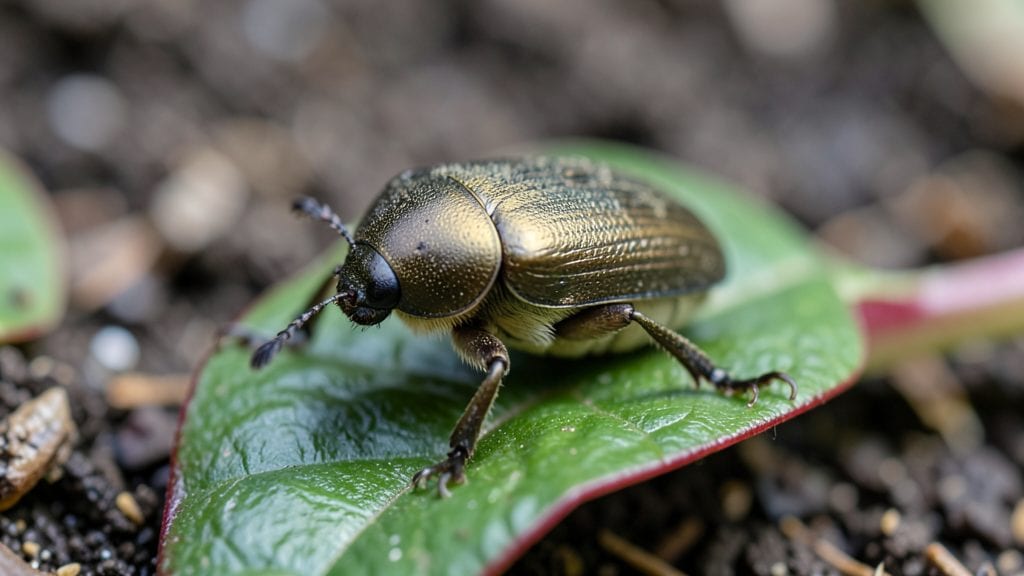
Asian garden beetles are the sneaky pests ruining your lawns and veggies this summer. 🌿 I’ve watched them skeletonize my hostas and turn my raspberry canes into lace—until I discovered these traps that actually work.
The key isn’t just catching them; it’s stopping their relentless march through your garden before they strip everything bare.
These beetles thrive in warm weather, and once they show up, they multiply fast. You’ll need a few simple supplies: bright yellow traps (they’re irresistible), some soapy water to drown them, and a little patience—because the first wave isn’t the last.
The traps work best when placed near infested areas, like the edges of your vegetable beds or under fruit trees where they love to hide.
Within days, you’ll see the difference. Your hostas stop looking like Swiss cheese, your raspberries stop getting chewed to nubs, and your lawn stops turning into a beetle buffet.
The traps don’t just lure them—they lock them away for good, so you can enjoy your garden without constant vigilance. Here’s exactly how to set them up right.
This method works for lawns, vegetable gardens, and even ornamental plants, but timing matters. Start trapping in early summer when the beetles first appear, and keep it up until frost.
The first year might feel like a game of whack-a-mole, but once you break their cycle, your garden stays theirs—no more sneaky beetle invasions.
📚 In This Guide
- What you need
- Instructions
- Tips and common mistakes
- Wrapping up and next steps
What you need
- ● Traps: Commercial Asian garden beetle traps (e.g., Blacklight or pheromone traps) – 2-4 units (depending on yard size).
- ● OR DIY traps made from: Plastic containers (e.g., 1-gallon buckets) – 4-6 units
- ● Blacklight bulbs (12V) – 2-4 bulbs (for DIY traps)
- ● Bait: Pheromone lures (specific to Asian garden beetles) – 1-2 per trap
- ● OR Beer, yeast, or overripe fruit (for DIY traps) – 1 cup per container
- ● Sticky liners or trapping surfaces: Tanglefoot or double-sided tape – 1 roll
- ● OR Vaseline-coated cardboard (for DIY) – 4-6 sheets
- ● Tools: Scissors or utility knife – 1
- ● Measuring tape – 1 (for trap placement)
- ○ Gloves (optional but recommended) – 1 pair
- ● Flashlight or headlamp (for nighttime trap checks) – 1
- ● Spray bottle with soapy water (to dispose of trapped beetles) – 1
- ● Garden hose with nozzle (for rinsing traps) – 1
- ● Label maker or markers (to mark trap locations) – 1
- ● Neighbor coordination (if beetles are widespread in your area!) 🌿
How to set up effective Asian garden beetle traps
Here's the hands-on method I use to cut down on these destructive pests without harsh chemicals.
🪴 Step 1: Choose the Right Trap Materials
You'll need 4 yellow sticky traps (one for each corner of your garden) and a 1-gallon bucket of soapy water for backup. Yellow attracts beetles because they mistake it for ripe fruit or flowers. I also recommend a pair of gardening gloves—these beetles release a foul odor when crushed, and you don't want that on your hands.
Set up your traps in the early morning when beetles are sluggish. Place them at waist height along garden edges or near host plants like roses, grapes, or fruit trees. Avoid placing traps directly on soil—they work best when elevated slightly on stakes or small posts.
🌿 Step 2: Position Traps Strategically
Spread the 4 traps at least 10 feet apart to cover your garden thoroughly. Beetles have poor eyesight and won't notice gaps if traps are too far apart. I like to place one near each cardinal direction (north, south, east, west) for even coverage.
Check traps daily in the late afternoon when beetles are most active. You'll see them stuck to the sticky surface, often in clusters. Remove trapped beetles by carefully peeling the trap and dropping them into soapy water—this kills them instantly without spreading their scent.
⏰ Step 3: Maintain Traps for Maximum Effect
Replace traps every 7-10 days or when they become covered with debris. Dirty traps lose their effectiveness because beetles can't land properly. I keep a small notebook nearby to track trap replacements and beetle counts—this helps me identify peak activity periods.
During hot, dry spells, add a shallow dish of water near each trap. Beetles dehydrate easily, and the combination of water and yellow traps becomes irresistible. Just make sure the water dish doesn't overflow onto the trap—you want beetles attracted to the trap, not the water.
💧 Step 4: Combine with Cultural Controls
While traps work well, I've found they're most effective when paired with other methods. Remove any fallen fruit or weeds from your garden—these provide shelter for beetles during the day. I also water plants in the morning to let foliage dry quickly, making it less appealing for beetles to hide.
If you notice beetle larvae (small, gray grubs) in the soil, handpick them in the evening when they're near the surface. Drop them into soapy water immediately. This two-pronged approach—trapping adults and removing larvae—gives you the best control over populations.
Tips & tricks for effective Asian garden beetle trapping
Here's what I've learned after years of battling these pests—simple tricks that make all the difference in your beetle control efforts.
Color Matters: Yellow traps work because beetles are attracted to the color, mistaking it for ripe fruit or flowers. If you don't have yellow traps, you can use bright yellow plastic lids or even yellow poster board coated with petroleum jelly. Just make sure the surface is sticky enough to trap them effectively. I've also seen gardeners use yellow plastic bottles cut in half and filled with soapy water—it's a budget-friendly alternative that works surprisingly well.
Timing Secret: The early morning setup in Step 1 is crucial because beetles are sluggish then, making them easier to catch. I've found that setting traps between 6-8 AM gives you the best initial capture rate. Also, check traps daily in the late afternoon when beetles are most active—this is when you'll see the most accumulation, usually between 4-6 PM depending on your location and weather.
Positioning Pro Tip: When placing your traps at waist height near garden edges, focus on areas where beetles are most likely to fly—like near host plants such as roses, grapes, or fruit trees. I've noticed that traps placed 1-2 feet above ground level on small stakes catch more beetles than those placed directly on soil. This elevation prevents them from being hidden by foliage and makes them more visible to flying beetles.
Maintenance Matters: The 7-10 day replacement schedule in Step 3 is non-negotiable. I keep a small calendar near my garden tools to mark when each trap was last replaced. If you notice traps becoming covered with debris or losing their stickiness, replace them immediately—dirty traps become ineffective because beetles can't land properly. For extra effectiveness during hot, dry spells, add a shallow dish of water near each trap, but keep it separate from the trap itself to avoid confusing the beetles.
Pro Tips for Asian Garden Beetle
- Here's what I've learned after years of battling these pests—simple tricks that make all the difference in your beetle control efforts.
- Color Matters: Yellow traps work because beetles are attracted to the color, mistaking it for ripe fruit or flowers.
- Timing Secret: The early morning setup in Step 1 is crucial because beetles are sluggish then, making them easier to catch.
Frequently asked questions
Got questions about Asian garden beetles? You’re not alone!
Here are the most common concerns—and expert answers—to help you tackle these pests like a pro.
What do Asian garden beetles look like, and how can I tell them apart from other beetles?
Asian garden beetles are easy to spot once you know what to look for: black heads and thoraxes with copper-colored wing covers. Their legs are orange, and they’re about ½-inch long. Unlike Japanese beetles (which have green heads), these pests have a distinctive "saddle" shape—no green to be seen!
When is the best time to set traps for Asian garden beetles?
Timing is everything! Set traps late May through July when beetles are most active. Pro tip: Place traps near dusk (their peak activity time) and check them daily—they multiply fast!
Are traps the only way to control Asian garden beetles, or are there other methods?
Traps are effective, but combine them with these tactics for maximum defense:
- Handpick beetles into soapy water (especially early morning).
- Apply neem oil or kaolin clay to plants to deter feeding.
- Use row covers on vulnerable plants like roses or grapes.
- Encourage natural predators like birds and parasitic wasps.
Why aren’t my traps catching any beetles? Troubleshooting tips!
If your traps are empty, try these fixes:
- Check placement: Hang traps 5–6 feet off the ground in sunny areas.
- Use fresh bait: Replace lures every 2–4 weeks (they lose potency!).
- Timing matters: Beetles are lethargic in heat—set traps in morning shade.
- Consider competition: Other pests (like Japanese beetles) might be outcompeting your bait.
Will trapping Asian garden beetles harm my garden’s ecosystem?
When used correctly, traps won’t disrupt your garden’s balance. However, over-trapping can reduce pollinator populations (like bees). To minimize risks:
- Use funnel traps (they’re more selective for beetles).
- Avoid placing traps near flowering plants during peak pollinator hours (10 AM–4 PM).
- Combine traps with manual removal for a targeted approach.
Wrapping up and next steps
Armed with the right knowledge, tackling an Asian garden beetle infestation doesn’t have to feel overwhelming! 🌱 From DIY beer traps to commercial lures, there’s a solution that fits your garden’s needs—and your comfort level. Remember, consistency is key, so check your traps regularly and stay vigilant.
Ready to reclaim your garden? Start by setting up your chosen traps this weekend and monitor their effectiveness. If the beetles persist, don’t hesitate to explore additional organic or professional methods. Your green space will thank you! 🌿