Tools
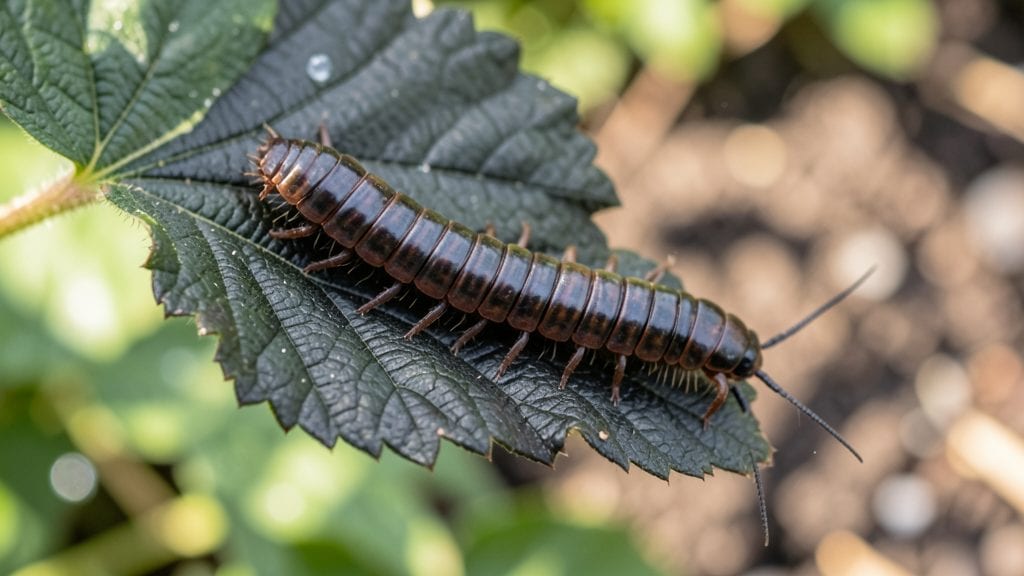
Millipedes in your garden aren’t just a nuisance—they can turn your soil into a slimy mess and damage young plants. 🌱 I’ve spent years dealing with these armored pests, and I’ve found that the right barriers and simple adjustments can keep them from taking over without harsh chemicals.
The problem starts when your garden stays too damp or has thick mulch layers that trap moisture. Millipedes thrive in these conditions, but they’re actually harmless to plants—they’re more of a cleanup crew for decaying matter. The real issue? Their numbers explode when you give them the perfect hiding spot.
With a few strategic changes—like adjusting mulch depth, improving drainage, and using natural barriers—you can slash their population. I’ve seen gardens go from slimy trails to pest-free in just a few weeks. The key is working with their weaknesses, not against them.
Whether you’re dealing with a small patch or a full-blown infestation, these methods work for vegetable gardens, flower beds, and even container setups. Let’s get your garden back to healthy without the creepy-crawlies.
What Draws Them To Gardens
Millipedes may seem like harmless garden visitors, but their presence in large numbers can signal underlying issues—or even attract pests that do damage your plants. Understanding why these segmented critters invade your garden is the first step to keeping them in check. Let’s break down the science behind their attraction.
Millipedes thrive in damp, humid environments, making your garden an all-you-can-eat buffet if conditions are right. Here’s why:
- High Humidity & Water Retention: Millipedes need moisture to survive, and gardens with thick mulch, poorly draining soil, or frequent watering create the perfect microclimate. Fun fact: Some species can even survive droughts by burrowing deep, but they’ll always migrate toward moisture when possible. - Decomposing Plant Debris: Leaf litter, fallen fruits, and rotting wood are millipede magnets.
They feed on decaying organic matter, breaking it down into nutrient-rich soil—but in the process, they can also attract slugs and snails (which they don’t eat but may share space with). - Overwatered Lawns & Beds: If your garden stays soggy for days after rain, millipedes will cluster there. Pro tip: Test your soil’s drainage by digging a small hole—if water pools after 30 minutes, you’ve got a millipede paradise in the making.
Actionable Fix: Reduce mulch thickness (2–3 inches max), improve soil drainage with sand or compost, and water deeply but less frequently to discourage standing moisture.
Millipedes prefer cool, shaded areas where they can stay hidden during the day. Your garden’s layout might be unknowingly inviting them:
- Dense Ground Cover: Thick ground covers (like ivy or creeping charlie) trap moisture and provide shelter.
Millipedes use these as highways to spread across your yard. - Leaf Litter & Debris Piles: Unraked leaves or wood chips create dark, humid microhabitats. Science note: Millipedes are detritivores—they don’t just eat decaying matter; they engineer it by breaking it down into smaller pieces, which can smother plant roots if overabundant. - Shady Garden Corners: Direct sunlight dries them out, so they avoid open areas.
If your garden has north-facing beds or tall plants casting shade, millipedes will camp there.
Actionable Fix: Trim back overgrown plants, clear leaf litter regularly, and consider adding a few sunny, open patches to disrupt their preferred habitat.
Millipedes aren’t the garden villains, but their presence can indirectly cause problems:
- They Eat Decaying Matter—But So Do Pests: While millipedes munch on dead leaves and fungi, their activity can attract true plant pests like cutworms or earwigs, which do chew on living plants. - Fungal Feasts: Millipedes consume fungi, including pathogenic varieties that can harm plants (like root rot fungi).
However, they also spread fungal spores, which may contribute to mold in damp conditions. - Compost Piles: If your compost is too wet or not turned often, millipedes will move in en masse. Warning: While they help break down compost, their sheer numbers can make the pile smell sour or attract flies.
Actionable Fix: Turn compost regularly to reduce moisture, and avoid piling organic waste in one spot. If fungal issues arise, introduce beneficial fungi-eating organisms like nematodes.
Millipedes are highly sensitive to environmental changes, and their garden invasions often spike during specific conditions:
- After Heavy Rain: Rain softens soil, making it easier for millipedes to surface and spread. They’ll migrate toward drier, shaded areas—often your garden beds. - During Humid Summers: High humidity (especially in greenhouses or conservatories) creates ideal breeding grounds.
Eggs hatch in moist soil, leading to population explosions. - Fall Leaf Drop: As trees shed leaves, millipedes descend to feast on the fresh organic buffet. This is why you’ll see them crawling across sidewalks or patios in autumn.
Actionable Fix: Use rain barrels to collect excess water and redirect it away from garden edges. In fall, rake up leaves before they decompose into a millipede hotspot.
Sometimes, well-meaning gardening practices backfire by creating millipede-friendly zones:
- Excessive Mulching: While mulch conserves moisture, too much (over 4 inches) suffocates soil and traps humidity.
Millipedes love the damp, dark conditions. - Using Wood Chips Near Foundations: Wood mulch near your home’s base can draw millipedes inside, especially if the wood is untreated and retains moisture. - Ignoring Slug/Snail Traps: Millipedes and slugs often share habitats.
If you’re battling slugs but not millipedes, you might be unknowingly preserving their ecosystem.
Actionable Fix: Opt for dried mulches (like straw) in hot climates, and keep wood chips at least 6 inches away from house foundations.
Natural Ways to Manage Garden Invaders
Finding millipedes in your garden can feel like an unwelcome surprise—especially when they’re munching on your prized plants or leaving behind unsightly trails. The good news? You don’t need harsh chemicals to keep them in check.
With a few targeted, nature-friendly strategies, you can restore balance to your garden while protecting plants, soil, and even beneficial insects. Below, we’ll break down solutions by cause and fix, so you can address the root of the problem and prevent future visits.
Millipedes thrive in moist, organic-rich soil with plenty of decaying matter. If your garden has thick mulch layers, leaf litter, or poorly draining areas, these critters will stick around like uninvited guests at a buffet.
How to Fix It:
- 🔥 Clear Debris Regularly – Rake up fallen leaves, twigs, and thick mulch from high-traffic areas (especially near plant bases). Aim for a 2–3 inch layer of mulch—any thicker, and you’re creating a millipede hotel.
- 👨🍳 Improve Drainage – If your garden holds water after rain, amend the soil with sand or perlite to loosen it. Well-draining soil discourages millipedes from settling in.
- 🥘 Limit Organic Pileups – Compost piles are a magnet for millipedes. Turn compost frequently and keep it dry and aerated to make it less appealing.
💡 Prevention Tip: > Use gravel or crushed stone as a border around garden beds—millipedes avoid walking on rough surfaces, creating a natural barrier!
Millipedes don’t just wander—they eat. Young seedlings, tender leaves, and decaying plant matter are all on the menu. If you spot jagged edges on foliage or wilting stems, it’s time to act.
How to Fix It:
- 🔪 Handpick & Relocate – On calm evenings, gently scoop millipedes into a bucket of soapy water (they’re slow movers!). For a humane approach, release them far from your garden (at least 50 feet away).
- 🥘 Use Physical Barriers – Shield vulnerable plants with row covers or copper tape (millipedes dislike the metal’s texture). For seedlings, try diatomaceous earth (food-grade DE)—sprinkle a thin layer around the base (reapply after rain).
- 🌡️ Adjust Watering – Overwatering creates the perfect millipede buffet. Water plants at the base (not overhead) and let the soil dry slightly between waterings.
💡 Prevention Tip: > Plant marigolds, thyme, or garlic near susceptible plants—millipedes avoid their strong scents!
If millipedes are sneaking into sheds, greenhouses, or under patio edges, they’re likely using gaps in wood, bricks, or foundation cracks as highways.
How to Fix It:
- 🔧 Caulk Gaps – Seal cracks in wooden structures, stone pathways, and foundation edges with silicone caulk. Millipedes can’t squeeze through tight spaces!
- 👨🍳 Install Door Sweeps – Even a small gap under a shed door is an open invitation. Add a weatherstripping or door sweep to block their entry.
- 🥘 Elevate Wooden Structures – If possible, lift raised beds or wooden planters 6 inches off the ground and place them on metal stands—millipedes avoid climbing smooth, hard surfaces.
💡 Prevention Tip: > Spread coarse sand or wood ash around the perimeter of structures—millipedes dislike walking on gritty surfaces!
Instead of waging war, let nature do the work! Many garden creatures love millipedes as a snack.
How to Fix It:
- 🐍 Attract Toads & Frogs – These amphibians devour millipedes. Create a shallow water dish in a shady spot to lure them in.
- 🦋 Invite Birds & Lizards – Install birdhouses or bat boxes and leave rock piles for lizards to hide in. Both species help control millipede populations.
- 🐜 Promote Ground Beetles – These beneficial insects eat millipede eggs and young. Avoid pesticides and plant native wildflowers to support their habitat.
💡 Prevention Tip: > Leave a few undisturbed leaf litter patches in corners of your garden—these provide shelter for predators while keeping millipedes in check!
Millipedes may seem like a nuisance, but with these targeted strategies, you can reduce their numbers without harming your garden’s ecosystem. The key is consistency—combine habitat modification, physical barriers, and natural predators for the best results. Before you know it, your garden will be millipede-free and thriving!
Frequently asked questions
Are millipedes actually harmful to my garden?
Millipedes themselves don't eat living plants, but their presence can create problems. They thrive in damp, decaying organic matter, which may attract real pests like slugs or cutworms that do damage plants. Their sheer numbers can also smother young seedlings or contribute to fungal growth in overly moist soil. The real issue is usually the conditions they indicate—not the millipedes themselves.
What’s the fastest way to get rid of millipedes in my garden?
For immediate results, focus on removing their habitat. Rake up thick mulch and leaf litter, improve drainage by amending soil with sand, and reduce watering frequency. Sprinkle diatomaceous earth around plant bases (reapply after rain) as a natural barrier. Combine this with handpicking during damp evenings for quick population reduction.
Will diatomaceous earth or salt harm my plants?
Food-grade diatomaceous earth is safe for plants when used correctly—just apply a thin layer around the base, avoiding direct contact with leaves. Salt, however, can damage plant roots and soil microbes. For organic control, stick with DE or create a gravel border (millipedes avoid rough surfaces) instead of using harsh chemicals.
Why do I see millipedes after rain but not during dry spells?
Millipedes surface after rain because moisture softens the soil, making it easier for them to move. They also seek shelter from drying conditions during the day. Their numbers spike in humid seasons because damp soil protects their eggs and provides abundant food (decaying matter). Reducing mulch thickness and improving drainage will help control their population year-round.
Can millipedes crawl into my house through small gaps?
Yes, millipedes can squeeze through tiny cracks in foundations, under doors, or around window frames. Seal gaps with silicone caulk and install door sweeps. For outdoor structures, elevate wooden planters on metal stands and avoid piling mulch directly against house walls—these simple fixes create physical barriers they can't cross.