Companion Plants
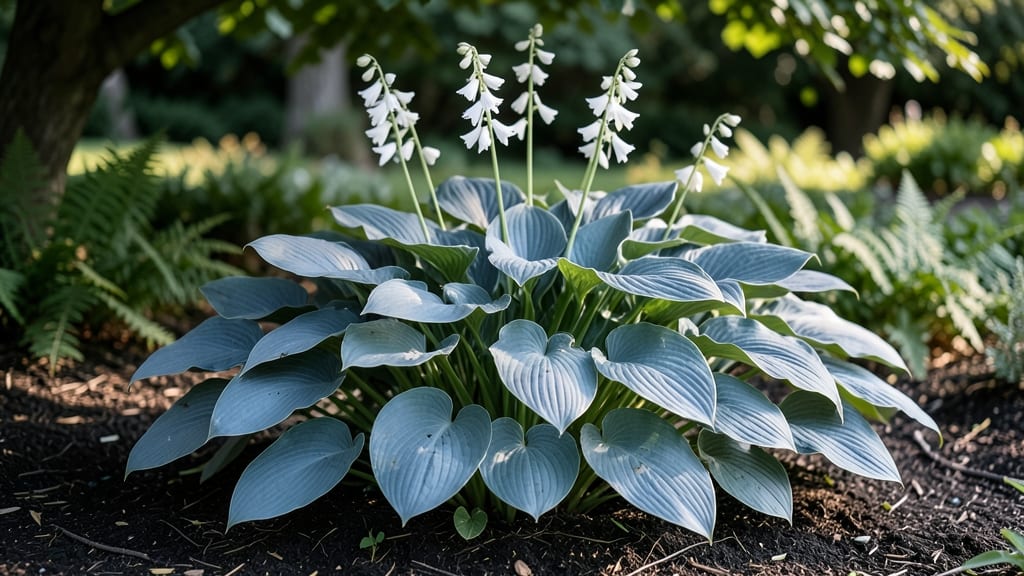
Shady garden plants that stay vibrant all year are the secret weapon for transforming forgotten corners into lush, low-maintenance havens. 🌿 I’ve turned my own darkest garden spots into thriving green spaces using plants that don’t just survive shade—they flourish in it.
The key lies in choosing the right mix of ferns, hostas, and shade-loving perennials that handle moisture and cooler temperatures better than sun-hungry varieties.
Most people assume shady gardens mean dull, boring plantings—but that couldn’t be further from the truth. With the right selection, you’ll get velvety foliage, delicate blooms, and textures that add depth to your landscape.
Think hostas with their bold, striped leaves, ferns that sway like feathers in the breeze, and impatiens that burst with color even in dim light. These plants thrive with minimal sunlight, often just 3-6 hours of dappled light per day.
By the end of your first growing season, you’ll have a garden that stays lush and green from spring through fall, with many varieties even putting on winter interest. The best part?
These plants require far less watering and maintenance than sun-lovers, making them perfect for busy gardeners or areas where sunlight is scarce. Let’s dive into the exact plants and combinations that work best in your shade levels.
Whether you’re dealing with full shade under trees or just partial shade along a north-facing wall, the right plants will turn your space into a serene retreat.
The secret is matching plant needs to light conditions—some handle deep shade, while others prefer bright but indirect light. Here’s how to get started without overcomplicating things.
📚 In This Guide
- What you need
- Instructions
- Tips and common mistakes
- Wrapping up and next steps
What you need
- ● Shade-tolerant plants (5–10 varieties): Hostas (e.g., Hosta 'Blue Angel', Hosta 'Halcyon') – 3–5 plants
- ● Ferns (e.g., Dryopteris filix-mas, Matteuccia struthiopteris) – 2–4 plants
- ● Hellebores (Lenten roses) – 3–5 plants
- ● Astilbes – 2–3 plants (for color pops!)
- ● Lungwort (Pulmonaria) – 3–4 plants
- ● Coral bells (Heuchera) – 2–3 plants
- ● High-quality potting soil or garden soil – 10–15 gallons (amend with compost for nutrients)
- ● Mulch (shredded bark or wood chips) – 2–3 bags (to retain moisture and suppress weeds)
- ● Slow-release fertilizer (10-10-10 or organic option) – 1–2 bags
- ● Garden trowel or hand shovel – For digging and transplanting
- ● Pruners (bypass or anvil) – For shaping and maintenance
- ● Garden gloves – 1 pair (to protect your hands from thorns or rough foliage)
- ● Watering can or hose with a gentle spray nozzle – For deep but gentle watering
- ● Measuring tape or ruler – To space plants correctly (most shade plants need 12–24 inches between them)
- ○ Optional: Soil pH test kit (to check acidity/alkalinity)
- ● Garden kneeler or pad (for comfort)
- ● Decorative stones or edging (for a polished look)
- ● ✅ A shady or partially shaded area (dappled light or less than 4 hours of direct sun/day)
- ● ✅ Well-draining soil (amend clay soil with peat moss or perlite if needed)
- ● ✅ Access to water (shade plants still need consistent moisture!)
- ● ✅ Patience! Some shade plants take 2–3 years to reach their full glory.
How to design a thriving shady garden year-round
Here's how to create lush, vibrant plantings that won't wither in dim light.
🌿 Step 1: Select the Right Shade-Tolerant Plants
Start with plants that naturally thrive in less than 4 hours of direct sunlight daily. Hostas, ferns, and astilbes are my go-to choices—they handle deep shade beautifully while adding texture and color. For year-round interest, mix in evergreens like Japanese painted fern or variegated sweet woodruff.
I always check the mature size of each plant to avoid crowding. A 3-foot hosta planted 18 inches apart will give you the right balance of coverage without competing for nutrients. If your shade is extremely dense, opt for plants like lungwort or Christmas fern that tolerate less than 2 hours of sun.
🪴 Step 2: Prepare the Soil for Moisture Retention
Shady spots often have compacted or dry soil, so I always amend with 3 inches of organic matter like compost or leaf mold. This improves drainage while holding moisture—critical since shade plants can't photosynthesize as efficiently. Work the amendment into the top 6 inches of soil using a garden fork.
For containers, mix 50% potting soil with 50% peat moss or coconut coir—this keeps roots consistently moist without becoming waterlogged. A handful of perlite in each pot prevents compaction, which is especially important for delicate ferns.
💧 Step 3: Plant with Proper Spacing and Mulch
Dig holes twice as wide as the root ball but only as deep as the container. This encourages roots to spread horizontally, which helps plants access moisture in shady conditions. Gently remove plants from containers and tease apart any circling roots before placing them in the hole.
Fill the hole with soil, pressing lightly to eliminate air pockets. Water deeply to settle the roots, then apply 2-3 inches of mulch around each plant, keeping it 2 inches away from stems. I use shredded bark or wood chips—they break down slowly, adding nutrients while suppressing weeds.
☀️ Step 4: Provide Supplemental Light and Care
If your shade is extremely dense, consider a reflective surface like a white garden wall or mirror to bounce extra light onto plants. Even a small increase in brightness can boost growth. For containers, rotate them quarter-turn weekly so all sides get equal exposure.
Water deeply once a week (more in extreme heat) until the top 2 inches of soil feel moist. Shade plants often show stress through yellowing leaves—this usually means underwatering. Fertilize lightly in spring with balanced 10-10-10 to encourage lush foliage without burning tender roots.
⏰ Step 5: Maintain Through Seasonal Changes
In fall, add a 3-inch layer of mulch to protect roots from winter temperature swings. Evergreens like hellebores and Christmas fern handle cold well, but tender perennials may need winter protection in harsh climates. I always check for pests like slugs after heavy rains—they love shade plants too.
Prune spent foliage in early spring, cutting back to healthy green growth. This refreshes plants and encourages new shoots. Watch for powdery mildew on hostas—it thrives in humid shade. A weekly spray of neem oil** keeps it at bay without harming beneficial insects.
Tips & tricks for perfect shady garden plantings
Transforming a dim corner into a thriving garden takes more than just picking pretty plants—it's about understanding their unique needs. Here's what I've learned to create lush, vibrant shade gardens that stay healthy year-round.
Plant Selection Intelligence: When choosing plants for less than 4 hours of sunlight, prioritize foliage over flowers. Hostas and ferns grow beautifully in deep shade, but their leaves are often their most striking feature. I always look for varieties with interesting textures—like the ruffled edges of 'Blue Angel' hosta or the delicate fronds of Japanese painted fern. These plants will reward you with vibrant color even when sunlight is scarce.
Soil Preparation Strategy: The 3 inches of organic matter in Step 2 isn't just about moisture—it's about creating the perfect environment for roots to thrive. I like to add a handful of worm castings to my compost mix before amending the soil. Worms help break down organic matter faster, giving your plants an instant nutrient boost. For containers, I always mix in a slow-release fertilizer like Osmocote—this ensures your plants get consistent nutrition without the risk of over-fertilizing.
Mulching Mastery: That 2-3 inches of mulch in Step 3 does more than just suppress weeds. I've found that applying mulch right after planting helps maintain consistent soil moisture while the roots establish. For extra insurance, I add a layer of landscape fabric under the mulch in areas prone to weeds. This creates a clean barrier while still allowing water to penetrate. In fall, I double the mulch thickness to 3 inches—this extra insulation helps protect tender roots during winter temperature swings.
Seasonal Care Calendar: The weekly rotation of containers in Step 4 is a game-changer for even growth. I mark my calendar with reminders to turn containers every Sunday morning—it only takes a minute but makes a huge difference in preventing leggy plants. For spring maintenance, I always prune hostas after they've sent up new growth but before they flower. This timing gives them energy to produce those beautiful blooms while keeping the foliage looking tidy.
Pro Tips for Shady Garden Plants
- Transforming a dim corner into a thriving garden takes more than just picking pretty plants—it's about understanding their unique needs.
- Plant Selection Intelligence: When choosing plants for less than 4 hours of sunlight, prioritize foliage over flowers.
- Soil Preparation Strategy: The 3 inches of organic matter in Step 2 isn't just about moisture—it's about creating the perfect environment for roots to thrive.
Frequently asked questions
Got questions about keeping your shady garden lush and green? You’re in the right place!
Here are answers to the most common queries about growing plants in deep shade—whether you're troubleshooting, planning, or just curious about alternatives.
What are the easiest shade-loving plants for beginners?
Start with hostas, heucheras, or ferns—they’re hardy, low-maintenance, and thrive in low light. Astilbe and bleeding heart are also great picks for their vibrant foliage and resilience. These plants tolerate neglect and add instant texture to shady spots!
How do I know if my garden is too shady for plants?
If your garden gets less than 3 hours of direct sunlight daily, you’re dealing with deep shade. Look for moss growth on soil or fading leaves on sun-loving plants—these are red flags. Test with a sunlight tracker app to map light exposure before planting.
Can I grow vegetables or herbs in deep shade?
Most veggies need sunlight, but leafy greens (like spinach or kale), radishes, and green onions tolerate partial shade. Herbs? Parsley and cilantro do best in dappled light. For full shade, stick to microgreens or container-grown herbs near a sunny window.
Why are my shade plants turning yellow or leggy?
Yellow leaves often signal overwatering or poor drainage. Leggy growth? Your plants are stretching for light. Fix it by:
- Ensuring 6+ inches of organic mulch to retain moisture.
- Trimming leggy stems to encourage bushier growth.
- Adding a reflective surface (like white gravel) to bounce light onto foliage.
What’s a good alternative if I hate maintaining shade plants?
Try ground covers like pachysandra or ivy—they suppress weeds and need almost no upkeep. For zero-effort greenery, moss (especially in damp areas) or sedum (in slightly brighter shade) are unbeatable. Even artificial turf can mimic a lush lawn if you prefer low-maintenance solutions!
Wrapping up and next steps
Transforming your shady garden into a lush, vibrant space is easier than you think! 🌿 With the right shady garden plants, you can enjoy year-round greenery that thrives even in deep shade.
From ferns and hostas to hellebores and astilbes, these low-light lovers bring beauty and texture without demanding constant sunlight.
Now that you’re armed with the perfect plant picks and care tips, it’s time to roll up your sleeves and get planting! Start small—perhaps with a few hardy hostas or a dramatic fern—and watch your garden flourish. Happy gardening! 🌱