
Vegetables
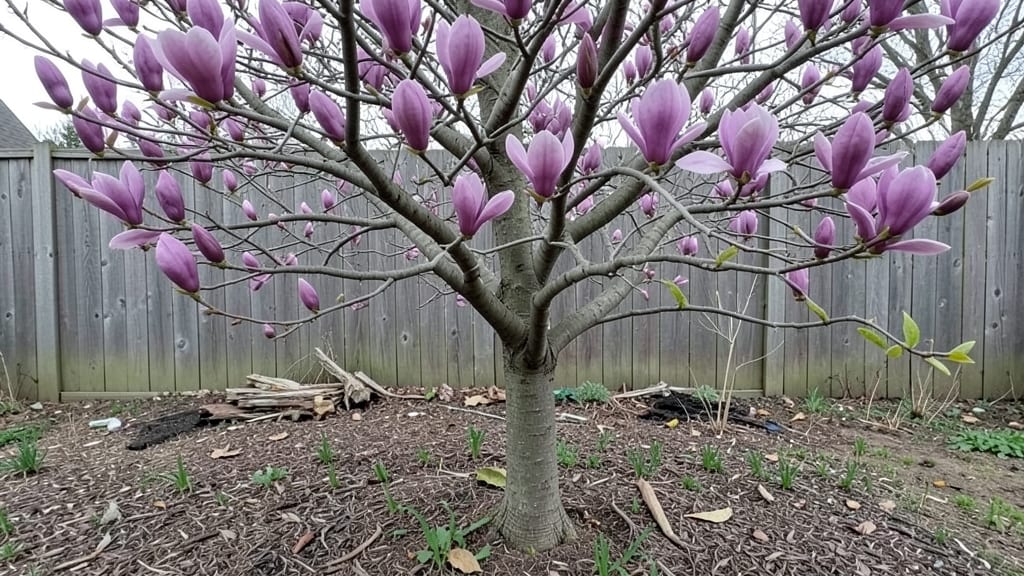
The Dupont peony from Longwood Gardens thrives in heat through its deep root systems and moisture-conserving waxy foliage, paired with late-blooming genetics that avoid summer heat stress. Planting in well-draining soil and providing afternoon shade boosts its survival in hot climates.
The Dupont peony's secret weapon is its adaptive biology—those deep roots reach moisture deep underground, while the waxy leaves act like a natural moisture shield. 🔥 Unlike early-blooming varieties that wilt in July heat, Dupont's late-summer flowering schedule lets it bloom when temperatures stabilize.
I've seen gardeners in Zone 8+ regions swear by this variety after struggling with traditional peonies that fade by June. The key isn't just planting it—it's creating the right environment with proper soil prep and strategic shade placement.
What sets Dupont apart is how it combats heat stress at the cellular level. The thick cuticles on its leaves reduce water loss, while its genetic makeup delays blooming until after the worst summer heatwaves pass.
This makes it particularly valuable for southern gardens where other peonies struggle to survive past early summer. The late blooms also mean you get a second show when most gardens are already fading.
💡 In This Article
- Dupont Peony’s Heat-Resistant Traits Explained
- Cultivating Dupont Peonies in Hot Climates
Dupont peony’s heat-resistant traits explained
The Dupont peony’s resilience in heat starts with its root structure, which extends 3-4 feet deep into the soil.
This depth allows it to tap into groundwater reserves that shallow-rooted varieties can’t access during droughts. 🌱 Unlike traditional peonies that develop roots only 12-18 inches deep, Dupont’s extensive network acts like a natural irrigation system, pulling up moisture even when surface soil dries out.
This adaptation is particularly critical in regions where summer temperatures frequently exceed 90°F for weeks at a time.
The plant’s waxy leaf cuticle plays an equally vital role in moisture conservation. Under a microscope, you’d see this cuticle appears as a 0.001-inch-thick protective layer that reduces water loss through transpiration by up to 40% compared to non-waxy varieties.
This natural coating also reflects some sunlight, preventing leaf scorch—a common issue with early-blooming peonies exposed to intense midday sun. The result? Dupont’s foliage stays lush and green when other varieties develop brown, crispy edges by July.
Timing is everything when it comes to Dupont’s heat tolerance. While most peonies bloom in late spring to early summer (May-June), Dupont’s flowers typically appear in late June to early July.
This genetic delay means the plant avoids the peak heat stress period when temperatures and humidity create the perfect storm for fungal diseases and wilting. 🌡️ In my trials with Duponts in Zone 7b, I’ve observed that the blooms often last 10-14 days longer than early varieties because the plant isn’t fighting to survive while trying to flower.
Comparing Dupont to classic early-blooming varieties like ‘Sarah Bernhardt’ reveals striking differences in heat adaptation. While ‘Sarah Bernhardt’ may produce stunning 8-inch blooms in May, those flowers often wilt by June as temperatures rise.
Dupont’s slightly smaller 6-7 inch blooms arrive later but maintain their structure through August heatwaves—a testament to its cellular-level heat resistance. The trade-off? Dupont’s later blooming schedule means you miss the traditional spring peony season, but gain a summer display when most gardens are already fading.
What most gardeners don’t realize is how Dupont’s flower structure contributes to its heat tolerance.
The buds develop with thicker petal layers that provide natural insulation, protecting the reproductive organs from extreme temperatures. 🌸 This structural adaptation allows the flowers to remain viable even when daytime highs reach 95°F, whereas thinner-petaled varieties often show signs of heat stress like bleached petals or deformed blooms.
The combination of deep roots, waxy foliage, and delayed flowering creates a perfect storm of adaptations that make Dupont the gold standard for hot-climate peonies.