Vegetables
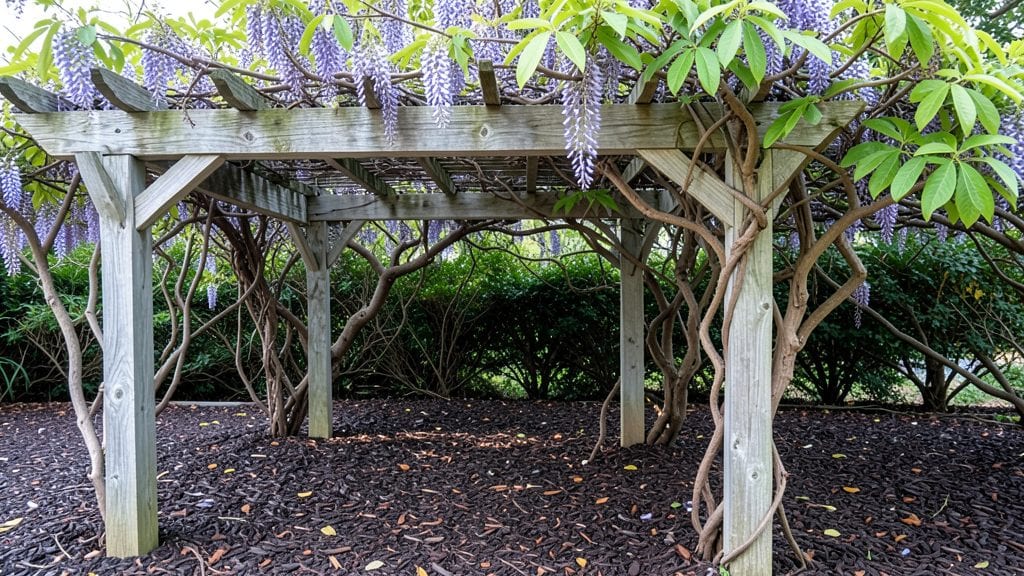
Longwood Gardens' wisteria displays are the kind of purple cascades that make neighbors stop and stare. ✨ I still remember the first time I walked beneath those fragrant tunnels—how the air smelled like spring in May and the way the vines stretched for what felt like miles.
This isn't just a plant; it's a statement piece that turns any garden into a showstopper.
The secret lies in their trellis design—strong, sturdy supports that let the vines climb without snapping under their own weight. Longwood Gardens uses 10-12 foot tall arbors spaced strategically to create those dramatic tunnels, but even a 6-foot trellis in your backyard can achieve the same romantic effect.
The key is pruning in late winter to encourage strong new growth, and choosing a variety that thrives in your climate.
What you end up with is a garden feature that blooms reliably for decades, filling the air with intoxicating fragrance and transforming bare walls into lush, purple waterfalls. The best part?
Wisteria pairs beautifully with climbing roses, clematis, or even grapevines for a layered, textured look. Imagine your morning coffee on the porch, surrounded by that same Longwood Gardens magic.
Whether you're working with a small balcony or a sprawling backyard, the principles stay the same—just scale the trellis and adjust the pruning schedule. Here's how to bring that iconic Longwood Gardens elegance to your own space without the crowds (or the ticket price).
📚 In This Guide
- What you need
- Instructions
- Tips and common mistakes
- Wrapping up and next steps
What you need
- ● Wisteria plants: 1–3 mature vines (for established growth, choose Chinese (Wisteria sinensis) or Japanese (Wisteria floribunda) varieties)
- ● OR 10–20 seeds (if starting from scratch—germination takes 2–3 years!)
- ● Soil: Well-draining, slightly acidic to neutral (pH 6.0–7.0), enriched with compost or organic matter (5–10 gallons per planting site).
- ● Support structure: Arbor, trellis, or sturdy fence (wisteria needs 10–15 feet of vertical space)
- ● Metal or wooden stakes (for young vines, 4–6 feet tall)
- ● Fertilizer: Balanced 10-10-10 or 20-20-20 (spring/fall, ½ cup per vine)
- ● Phosphorus-rich fertilizer (promotes blooms, 1 cup per vine in early spring)
- ● Mulch: 2–3 inches of wood chips or shredded bark (retains moisture, suppresses weeds).
- ● Pruning shears (sharp, bypass-style for clean cuts)
- ● Garden hose with spray nozzle (for deep watering)
- ● Epsom salt (occasional foliar spray for magnesium, 1 tbsp per gallon of water)
- ● Drip irrigation system (automates watering for young vines)
Step-by-step guide to cultivating wisteria like Longwood Gardens
Transform your landscape into a fragrant purple dream with these proven techniques.
🌱 Step 1: Select the Right Variety and Planting Site
Longwood Gardens features Chinese wisteria (Wisteria sinensis) and Japanese wisteria (Wisteria floribunda) for their dramatic cascades. Choose a sunny location with at least 6 hours of direct sunlight daily—partial shade may reduce flowering. The ideal spot has strong support like a pergola, arbor, or sturdy trellis, as mature wisteria vines can reach 30 feet long.
Wisteria roots spread aggressively, so plant 10-15 feet away from sidewalks, driveways, or structures to avoid future damage. Dig a hole twice as wide as the root ball but no deeper—planting too deep suffocates roots. Amend the native soil with 3 gallons of compost to improve drainage and fertility, as wisteria thrives in well-draining, slightly acidic soil (pH 6.0-7.0).
☀️ Step 2: Plant and Train Young Vines for Strong Growth
Plant your bare-root wisteria in early spring (March-April) when the ground is workable but before buds break. Soak the roots in lukewarm water for 1-2 hours before planting to rehydrate them. Position the vine so the crown sits just above soil level—burying it too deep causes rot. Backfill with native soil mixed with compost, then water deeply to settle everything.
Install a strong trellis or arbor immediately and tie the main stem to the support with soft garden twine. Wisteria grows best when trained upward first—never let vines sprawl along the ground, as this weakens the plant. Prune any side shoots back to 2-3 buds to encourage a single, strong leader stem. You’ll see new leaves emerge within 4-6 weeks—this signals healthy root establishment.
✂️ Step 3: Prune Strategically for Abundant Blooms
Wisteria blooms on new wood, so heavy pruning in late winter (February) is key. Cut back last year’s growth by ⅔ to encourage vigorous new shoots. Remove any dead, diseased, or crossing branches first—wisteria thrives when air circulates freely. Thin out weak or overcrowded stems to 3-5 main branches, as too many compete for energy and reduce flower production.
After flowering, lightly trim spent blooms but avoid heavy summer pruning—this stresses the plant. Instead, train new growth along the trellis by tying vines every 12-18 inches to maintain structure. You’ll notice fragrant purple flower clusters forming in late spring (May-June) if pruning was done correctly. Here’s the thing—patience is critical: it takes 3-5 years for mature wisteria to reach peak bloom, but the wait is worth it.
💧 Step 4: Water and Fertilize for Lush, Fragrant Growth
Water deeply once a week during the first growing season to encourage deep root growth. After establishment, wisteria is drought-tolerant but blooms best with consistent moisture. You’ll know it’s thirsty when leaves begin to curl or yellow—water at the base, avoiding wetting foliage to prevent fungal diseases. Mulch with 2-3 inches of organic mulch (like shredded bark) to retain moisture and regulate soil temperature.
Fertilize in early spring with a balanced 10-10-10 fertilizer (using 1 cup per plant). Avoid high-nitrogen fertilizers—they promote leafy growth at the expense of flowers. In late summer, switch to a low-nitrogen, high-phosphorus fertilizer (5-10-10) to support root development and next year’s blooms. Stop fertilizing by mid-August to allow the plant to harden off for winter.
⏰ Step 5: Protect and Maintain for Long-Term Beauty
Wisteria is hardy to USDA Zone 5, but young plants need winter protection in colder climates. Wrap the base of the trunk with burlap and mulch heavily (4-6 inches) to insulate roots. Prune dormant vines in late winter (before buds swell) to shape the plant and remove any deadwood. Watch for aphids or spider mites—spray with neem oil if you spot sticky residue on leaves or fine webbing.
To keep your wisteria thriving like Longwood Gardens’, feed the roots, not the flowers. This means prioritizing soil health over frequent pruning. Over time, your vine will develop thick, woody stems and dramatic cascades of fragrant blooms that perfume the air in spring. Real talk: wisteria is a 10-year commitment, but the payoff—10-foot-long purple waterfalls—is unmatched.
Tips & tricks for cultivating wisteria like Longwood Gardens
Here's what nobody tells you about growing wisteria that'll make all the difference between a struggling vine and a showstopper.
Sunlight Secret: Those 6 hours of direct sunlight are non-negotiable, but here's the thing—morning sun is more important than afternoon. I've seen wisteria thrive with afternoon shade in hot climates because it prevents leaf scorch. If your location only gets 4-5 hours of direct sun, consider planting near a south-facing wall that reflects extra light onto the vines.
Root Rehydration: That 1-2 hour soak for bare roots before planting isn't just about hydration—it's about waking up dormant roots. I learned this the hard way after planting dry roots and watching them struggle for months to establish. Use lukewarm water (not cold) and make sure the entire root ball is saturated. You'll know it's ready when water runs clear from the bottom.
Pruning Precision: When you're cutting back last year's growth by ⅔ in late winter, aim to leave 3-5 main branches that are about pencil-thick. These will become your primary flowering stems. I use sharp pruning shears and make clean cuts just above a bud that faces outward—this creates better airflow and more flower clusters. Don't be afraid to be aggressive with your cuts; wisteria responds well to dramatic pruning.
Support System: That trellis or arbor needs to be installed immediately after planting, not after the vine gets established. I've seen too many gardeners struggle with floppy, weak vines because they waited too long. Use soft garden twine to tie the main stem—it's gentle on the bark and allows for growth. As the vine grows, you'll need to add more ties every 12-18 inches to maintain that elegant cascade shape Longwood Gardens is known for.
Pro Tips for Longwood Gardens Wisteria
- Here's what nobody tells you about growing wisteria that'll make all the difference between a struggling vine and a showstopper.
- Sunlight Secret: Those 6 hours of direct sunlight are non-negotiable, but here's the thing—morning sun is more important than afternoon.
- Root Rehydration: That 1-2 hour soak for bare roots before planting isn't just about hydration—it's about waking up dormant roots.
Frequently asked questions
Got questions about Longwood Gardens’ stunning wisteria? Here are some of the most common ones—plus quick answers to help you plan your visit or care for these fragrant beauties at home!
When is the best time to see wisteria in bloom at Longwood Gardens?
The wisteria at Longwood Gardens typically blooms in late April through early May, with peak displays in May. For the most vibrant purple cascades, aim for mid-May visits. Check their official events calendar for exact bloom dates, as weather can shift timelines slightly.
Can I bring my own camera or tripod to photograph the wisteria?
Yes! Longwood Gardens welcomes photography, including tripods, during daylight hours. However, drones are not permitted. Pro tip: Visit during golden hour (sunrise/sunset) for soft, dreamy lighting that enhances the wisteria’s colors. Always check their photography policy for updates.
How do I grow wisteria at home? Are there low-maintenance alternatives?
Wisteria thrives in full sun and well-draining soil, but it’s a patient plant—it can take 3–5 years to bloom! For faster results, opt for dwarf varieties like ‘Amethyst Falls’ or train it on a trellis. If wisteria seems too high-maintenance, consider clematis or jasmine for similar fragrance and beauty with easier care.
Why isn’t my wisteria blooming? Troubleshooting tips!
Wisteria skips blooms often due to over-pruning, lack of sunlight, or young age. Prune in late winter (not autumn!) to encourage flowers. Ensure it gets 6+ hours of sun daily and fertilize in early spring with a balanced, phosphorus-rich formula. Patience is key—some varieties bloom best after 5+ years!
Are there discounts for visiting Longwood Gardens’ wisteria displays?
Yes! Discounts include senior passes (65+), multi-day tickets, and online advance purchases (10% off). Check for seasonal promotions or combo tickets with the Mason’s Manse or Children’s Garden. Members enjoy free admission—join today for unlimited access!
Wrapping up and next steps
Longwood Gardens’ wisteria isn’t just a sight—it’s a symphony of color, fragrance, and timeless beauty that transforms any space into a dreamy escape.
Whether you’re planning a visit to admire its legendary blooms or dreaming of cultivating your own wisteria haven, this fragrant purple cascade reminds us that nature’s elegance is always in season. 🌸
Ready to bring a touch of Longwood’s magic to your garden? Start by sketching your dream wisteria trellis or researching local nurseries—your fragrant future awaits! Happy gardening!