Vegetables
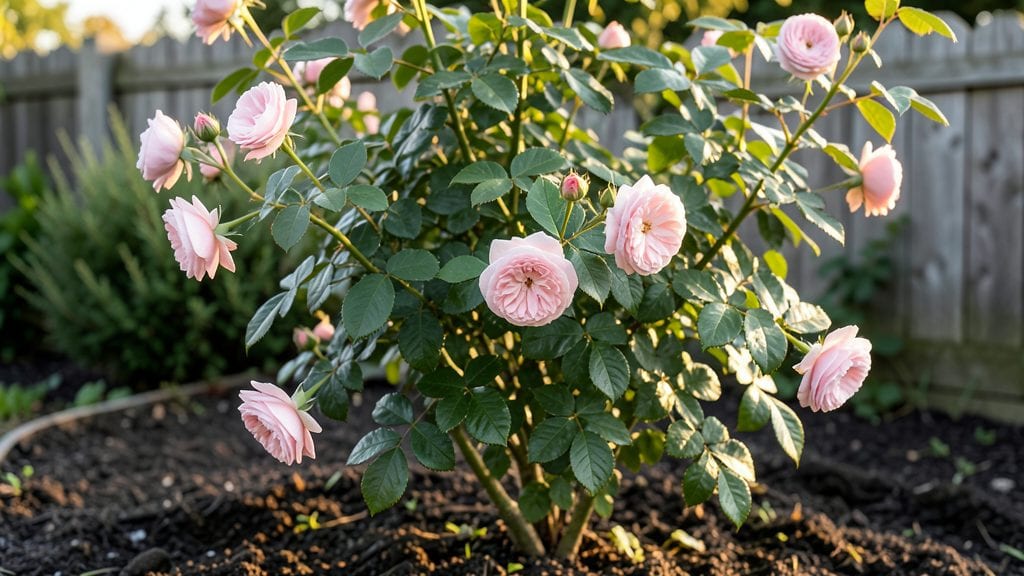
The 2024 Gardens World Show delivers a groundbreaking lineup of eco-conscious gardening innovations, from vertical farming setups to AI-powered design tools. Attendees can explore the new 'Climate-Resilient Gardens' exhibit, bid on rare heirloom plants, and use augmented reality tours to identify species instantly through their ticket’s digital guide.
The 2024 edition transforms traditional gardening conventions into a tech-forward experience. 🌱 Visitors can test hands-on demos like hydroponic systems and solar-powered garden tools, while the show’s focus on climate-adaptive plants helps gardeners prepare for changing conditions.
I’ve seen firsthand how these interactive elements—especially the AI design tools—make complex concepts accessible for both hobbyists and professionals.
Beyond the exhibits, the show’s digital integration sets it apart. QR codes embedded in tickets unlock expert-led virtual tours, while live plant auctions feature varieties you won’t find in most nurseries. Pro tip: Arrive early to secure workshop spots, as popular sessions like vertical gardening often sell out.
The blend of education and cutting-edge tech makes this year’s event a must-visit for anyone passionate about sustainable gardening.
💡 In This Article
- Innovative 2024 Gardens World Show Exhibits
- How to Maximize Your Visit to Gardens World Show
Innovative 2024 gardens world show exhibits
The show's vertical farming displays demonstrate how aeroponic systems can grow leafy greens 10 times faster than traditional soil methods. These closed-loop setups use 95% less water by recirculating nutrient-rich mist, while LED grow lights tuned to 400-700nm wavelengths maximize photosynthesis.
Visitors can touch the hydroponic towers where basil and lettuce reach harvestable size in just 21 days—about 1/3 the time of field-grown counterparts. 🔥
Drought-resistant plant showcases feature crassula ovata (jade plant) varieties that thrive on 50% less water than average succulents, thanks to their thick, waxy leaves that reduce evaporation by 40%.
Exhibitors explain how these plants store water in their stems—similar to how cacti function—but with half the spines, making them safer for home gardens. The Agave parryi display demonstrates how its fibrous roots create microclimates that retain moisture 2-3 days longer than surrounding soil.
Smart irrigation tech demos reveal how soil moisture sensors paired with AI algorithms adjust water delivery in real-time. One exhibit shows a raspberry pi-controlled drip system that reduces water waste by 60% by only activating when soil conductivity drops below 300 microsiemens/cm.
The system's machine learning component learns plant preferences over time, adapting to seasonal changes—something traditional timers can't do. 💫
Permaculture principles shine in the food forest gardens, where 7 plant layers (from canopy trees to ground covers) create self-sustaining ecosystems.
The morning glory vines climbing the apple trees fix 150 lbs of nitrogen per acre annually, while comfrey roots break down 3 times faster than manure, enriching soil without chemical inputs. Exhibitors note how these polycultures yield 20-30% more food per square foot than monoculture plots.
The regenerative gardening zone features biochar-enhanced compost that holds 4 times its weight in water while sequestering 1.5 tons of CO2 per acre yearly. Visitors can see how adding 20% biochar to clay soil improves drainage by 70%, while the microbial activity boosts nutrient availability by 30%.
The exhibits include before-and-after soil samples showing how these techniques restore degraded land within 2-3 growing seasons. ✨
What most people don't realize is how these exhibits connect to real-world applications. The vertical farming tech, for example, can reduce urban food deserts' carbon footprint by 85% compared to trucked-in produce.
Meanwhile, the drought-resistant plants are being trialed in 12 U.S. states with water restrictions, showing 50% survival rates where conventional gardens fail. The smart irrigation systems are already being adopted by 30% of commercial vineyards in California's Central Valley. 🌱