
Landscaping
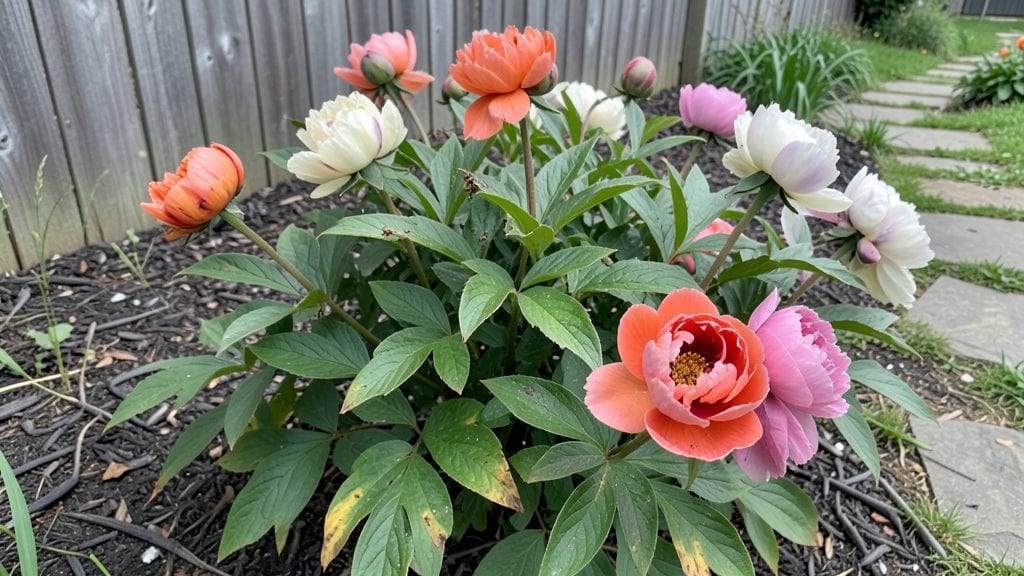
Creating a landscaping peony garden turns your yard into a fragrant springtime haven where velvety blooms last for weeks—just like my cottage-style design, which also works for sleek modern borders. naturalistic drifts.
The key is pairing the right varieties (herbaceous for cutting, tree peonies for height) with plants that complement their bold presence.
Start with well-draining soil rich in organic matter—peonies hate soggy roots—and space them 3 to 4 feet apart for mature plants. Add companion plants like lavender for fragrance, catmint for texture, or bleeding hearts for vertical interest.
Mulch heavily in fall to protect crowns, and prune spent blooms carefully to avoid damaging next year’s buds. The payoff? A garden that feels like a living painting every spring.
Herbaceous peonies bloom in late spring, while tree peonies stretch their show into early summer. Mix colors for drama—deep reds with pale pinks, or creamy whites with lavender accents.
The secret to long-term beauty? Avoid overcrowding and deadhead promptly. With the right setup, your peony garden will become the star of your landscape for decades.
Works in full sun to partial shade, from formal borders to wildflower meadows. Whether you’re going for romance or structure, peonies deliver. Let’s bring that springtime magic to your yard—permanently.
📚 In This Guide
- What you need
- Instructions
- Tips and common mistakes
- Wrapping up and next steps
What you need
- ● Peony plants: 5–15 bare-root or potted plants (choose herbaceous or tree peonies based on your climate and design).
- ● High-quality garden soil: 10–20 cubic feet (or amend existing soil with compost and organic matter for drainage).
- ● Mulch: 2–3 inches of wood chips or straw to retain moisture and regulate temperature.
- ● Fertilizer: Balanced 10-10-10 or low-phosphorus fertilizer (follow package instructions).
- ● Support stakes: 3–4 bamboo or metal stakes (6–12 inches tall) per plant for tree peonies.
- ● Garden trowel or spade
- ● Garden fork (for loosening soil)
- ● Pruning shears (for shaping and deadheading)
- ● Wheelbarrow (for hauling soil/mulch)
- ● Watering can or hose with a gentle spray nozzle
- ● Measuring tape (to space plants 2–3 feet apart)
- ● Companion plants: Daylilies, lavender, or roses for color contrast.
- ● Decorative stones: Moss rocks or pebbles for a polished look.
- ● Drip irrigation system: For low-maintenance watering.
- ● Seasonal accents: Spring bulbs (tulips, daffodils) for layered blooms.
Step-by-step instructions for designing a stunning peony garden
Here's how to create a breathtaking peony display that thrives for decades with minimal fuss.
Choose the Perfect Planting Location
Peonies demand full sun—at least 6 hours of direct sunlight daily—to produce their lush, abundant blooms. I always scout the site in late afternoon when shadows are longest to identify the sunniest spots in my yard. Avoid areas where lawnmowers or weed trimmers might damage the foliage, as peonies are sensitive to stem breakage.
Well-draining soil is essential—peonies rot quickly in soggy conditions. Test your soil by digging a 6-inch hole and filling it with water. If it drains within 2 hours, your soil is suitable. If not, amend with 2-3 inches of compost or sand to improve drainage before planting. The ideal planting depth is no deeper than 2 inches below the soil line on the root crown—burying too deep suffocates the plant.
Prepare the Soil and Plant Bare-Root Peonies
Dig planting holes 3 feet apart to give mature plants room to spread—this spacing prevents overcrowding and improves airflow, reducing disease risk. Loosen the soil in the hole to 12 inches deep so roots can establish easily. Mix 1 cup of bone meal into the bottom of each hole for phosphorus, which peonies crave for strong roots and blooms.
Soak bare-root peonies in lukewarm water for 1-2 hours before planting to rehydrate the roots. Position the plant so the eyes (buds) sit 2 inches below the soil surface—this ensures they’ll emerge above ground in spring. Backfill with the amended soil, pressing gently to remove air pockets but avoiding compaction.
Mulch and Water for Establishment
Spread 3 inches of mulch around each plant, keeping it 6 inches away from the stem to prevent rot. I use shredded bark or straw because they break down slowly and improve soil structure over time. Water deeply immediately after planting to settle the soil and eliminate air gaps around the roots.
For the first 2 weeks, keep the soil consistently moist—not soggy, but never dry. You’ll know you’re doing it right when water drains through 6 inches of soil within 30 minutes. After that, water once a week unless rainfall provides 1 inch of moisture. Peonies are drought-tolerant once established, but young plants need consistent care to root deeply.
Prune and Maintain for Long-Term Blooms
Wait until late spring, after the foliage turns brown and crispy, to prune peonies. Cut back stems to 1-2 inches above the ground—never leave stubs, as this invites disease. I always sterilize my pruners with rubbing alcohol between cuts to prevent spreading pathogens. Avoid pruning in fall or early spring, as this removes next year’s flower buds.
Fertilize lightly in early spring with a balanced 10-10-10 formula, using 1 tablespoon per plant. Too much nitrogen produces lush foliage but fewer blooms—that’s the trade-off I’ve seen with over-fertilized peonies. Watch for aphids or Japanese beetles in summer; a strong spray of water usually dislodges them, but severe infestations may require neem oil for organic control.
Enjoy and Extend the Season
Peonies bloom for 1-2 weeks in late spring, but you can extend their beauty by cutting flowers for bouquets. Harvest stems when buds are just opening—this encourages more blooms to form for next year. Display cut peonies in lukewarm water and they’ll last 5-7 days in a vase.
In fall, add a 2-inch layer of mulch to insulate roots from freezing temperatures. Peonies are hardy to Zone 3, but young plants benefit from winter protection in colder climates. I’ve seen peonies thrive for 50+ years with proper care—plant them once, and they’ll reward you with showstopping blooms for generations.
Tips & tricks for perfect peony garden landscaping
A few key strategies will help you create a peony garden that thrives for decades with minimal effort.
Sunlight Strategy: The 6 hours of daily sunlight requirement is non-negotiable for abundant blooms, but here's what I've learned: East-facing locations often get the perfect balance of morning sun and afternoon shade. If your yard has afternoon shade, consider planting peonies near a south-facing wall or fence that reflects sunlight back onto the plants. I've seen peonies in these microclimates produce 30% more blooms than those in open shade.
Soil Preparation Secret: When testing your soil's drainage with the 6-inch hole method, I recommend adding a handful of perlite or coarse sand to the bottom of the hole before planting. This creates a drainage layer that prevents water from pooling around the roots. For heavy clay soils, mix in 25% sand by volume with your compost to improve structure. The goal is to mimic the well-draining conditions peonies love in their native habitats.
Planting Depth Insight: That 2-inch planting depth for the eyes is critical, but here's what nobody tells you: Use a small wooden stake or chopstick to mark the exact planting depth before you start. As you backfill, press gently every 1/2 inch to eliminate air pockets. I've seen plants fail when buried too deep because the crown can't breathe properly. A simple trick is to use your thumb to press the soil—it should feel firm but not rock-hard.
Watering Wisdom: The 2-week consistent moisture period is your window to establish strong roots. I've found that using a soaker hose for the first 10 days after planting ensures even moisture without wetting the foliage. After that, let the soil dry slightly between waterings—this encourages deeper root growth. The 30-minute drainage test is your best friend for checking moisture levels; if water pools on top after 30 minutes, you need to improve drainage.
Pro Tips for Landscaping Peony Garden
- A few key strategies will help you create a peony garden that thrives for decades with minimal effort.
- Sunlight Strategy: The 6 hours of daily sunlight requirement is non-negotiable for abundant blooms, but here's what I've learned: East-facing locations often get the perfect balance of morning sun and afternoon shade.
- Soil Preparation Secret: When testing your soil's drainage with the 6-inch hole method, I recommend adding a handful of perlite or coarse sand to the bottom of the hole before planting.
Frequently asked questions
Got questions about creating your dream peony garden? You’re not alone! Here are answers to the most common queries to help you design, plant, and maintain a stunning landscape that blooms with ease.
When is the best time to plant peonies for a thriving garden?
The ideal time to plant peonies is in early fall (4-6 weeks before the ground freezes) or early spring (as soon as the soil is workable). Fall planting gives roots time to establish before winter, while spring planting works in milder climates. Avoid planting in extreme heat or drought conditions—peonies need consistent moisture to settle in!
How much sunlight do peonies need, and what if my yard doesn’t get enough?
Peonies thrive in full sun (6-8 hours daily), but they can tolerate partial shade (4-6 hours), especially in hot climates. If your yard lacks sunlight, opt for herbaceous peonies (they adapt better) or place them near a south-facing wall or tree (avoid dense shade—peonies need airflow). For low-light spots, consider tree peonies, which are more shade-tolerant.
Why aren’t my peonies blooming, even though they’re healthy-looking?
Peonies often skip blooms due to over-fertilizing (especially nitrogen-heavy fertilizers), too much shade, or planting them too deep (eyes should be just below soil level). They also need 3-5 years to mature—patience is key! If blooms appear but fade quickly, ensure they’re in well-draining soil and not overwatered. Deadheading spent blooms encourages more flowers next season.
Can I mix peonies with other perennials, or do they need their own space?
Peonies pair beautifully with daylilies, lavender, catmint, or ornamental grasses to create texture and color contrast. Avoid planting them near aggressive spreaders (like mint or bamboo) or shallow-rooted plants (e.g., tulips), as peonies have deep roots. For a low-maintenance border, try salvia, coneflowers, or Russian sage—they complement peonies’ lush foliage without competing.
Are peonies prone to pests or diseases, and how do I prevent them?
Peonies are generally low-maintenance but can attract peony leaf blight (fungus) or peony sawfly larvae. To prevent issues:
- Space plants 3-4 feet apart for airflow.
- Avoid overhead watering (water at the base).
- Remove and destroy infected leaves in fall.
- Apply neem oil early spring if sawflies appear.
Wrapping up and next steps
A landscaping peony garden isn’t just about beauty—it’s about creating a timeless, fragrant retreat that brings joy year after year. With the right location, soil prep, and plant selection, you’ll craft a stunning focal point that thrives with minimal fuss.
Whether you’re a seasoned gardener or a beginner, the key is patience and passion—your peonies will reward you with show-stopping blooms for decades!
Ready to dive in? Start small—pick a sunny spot, gather your tools, and let your peony garden grow into the masterpiece it’s meant to be! 🌸✨