
Tools
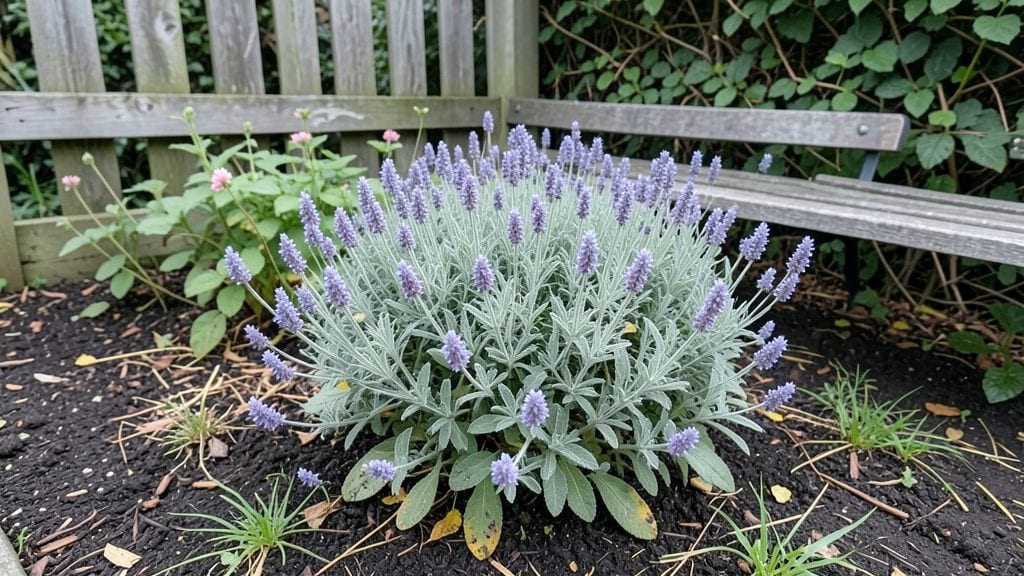
A memorial bench garden transforms grief into a living tribute where every bloom carries meaning. 🌿 I designed one for my grandmother’s yard—her favorite lavender now grows where she’d sit, its purple spikes still fragrant years later.
The space became a quiet place to remember, not just a patch of dirt.
Start with a durable bench placed where sunlight lingers just right—morning light for delicate flowers, afternoon shade for perennials. Surround it with low-maintenance plants like hostas for shade or Russian sage for sun, both drought-tolerant once established.
Add symbolic touches: engraved stones with names, wind chimes that hum in the breeze, or a small fountain for soothing sounds.
The magic happens when you personalize it. My garden includes her favorite roses (though they need more care) and a simple wooden plaque with her birth and passing dates. The result? A space that feels alive with memories, not just plants. It grows more meaningful with each visit.
Perfect for any yard, big or small—urban balconies can adapt with container gardens and dwarf varieties. The key is making it yours, not just following a list. Let’s bring your loved one’s story to life in the soil.
📚 In This Guide
- What you need
- Instructions
- Tips and common mistakes
- Wrapping up and next steps
What you need
- ● Bench: A sturdy, weather-resistant bench (wood, metal, or composite). Pro tip: Look for benches with built-in planters or removable slats for easy planting! 🌿
- ● Soil: 2–5 cubic yards of high-quality garden soil or potting mix (depending on garden size). Opt for organic, well-draining soil.
- ● Plants: Perennials (low-maintenance): 3–5 plants (e.g., lavender, hostas, or coneflowers).
- ● Shrubs (for structure): 1–2 dwarf varieties (e.g., boxwood or lilac).
- ● Ground cover: Creeping thyme or moss for texture.
- ● Ornamental grasses: 2–3 clumps (e.g., fountain grass or feather reed grass).
- ● Mulch: 2–3 bags of shredded bark or pine straw to retain moisture and suppress weeds.
- ● Gravel or decorative stones: 1–2 bags for pathways or borders.
- ○ Memorial plaque or engraving: Custom bench plaque or small stone marker (optional but meaningful!).
- ● Garden trowel or spade
- ● Wheelbarrow (for soil/plant transport)
- ● Garden gloves
- ● Measuring tape
- ● Pruners (for trimming plants)
- ● Level (to ensure bench stability)
- ● Hose or watering can
- ● Location: Choose a spot with 6+ hours of sunlight (adjust for shade-loving plants if needed).
- ● Accessibility: Ensure the area is level, stable, and easy to maintain (especially if caring for the garden long-term).
- ● Permits: Check local regulations if installing a permanent bench or altering landscaping.
- ● Budget: Plan for $100–$500+ depending on bench quality, plants, and customizations.
Step-by-Step instructions for designing a memorial bench garden
Transform a quiet corner into a serene tribute with plants that thrive with minimal care.
🪴 Step 1: Select the Perfect Bench Location
Choose a spot with 6+ hours of sunlight daily—most memorial gardens shine brightest in full sun. I always look for a level area near a tree or fence for natural shade on hot afternoons. Avoid low spots where water pools after rain. Test the ground by pressing your foot down—if it feels spongy, you’ll need to add soil or build a raised bed.
Measure the bench’s dimensions first. A standard 4-foot bench needs at least a 3-foot radius around it for plants to breathe. Sketch a rough circle on the ground with sidewalk chalk to visualize the space. This ensures your design flows naturally without feeling crowded.
🌱 Step 2: Prepare the Soil for Long-Lasting Beauty
Remove any grass or weeds within your marked circle, digging down 6-8 inches deep. I use a garden fork to loosen the soil without disturbing the surrounding area. Mix in 2-3 inches of compost to enrich the soil—this step is non-negotiable for plants that need to thrive with little fuss.
For heavier clay soil, add a 1-inch layer of coarse sand to improve drainage. If your soil is sandy, blend in 1 part peat moss per 3 parts soil to help retain moisture. Rake the area smooth and level it out so the bench sits comfortably in the center.
☀️ Step 3: Plant Drought-Tolerant Memorial Favorites
Start with 3-5 low-maintenance perennials like lavender, sedum, or ornamental grasses. These plants symbolize enduring love while requiring minimal water once established. Plant them in a loose circle around the bench, spacing them 12-18 inches apart depending on their mature size.
Add 2-3 shrubs (like boxwood or dwarf lilac) for structure—these act as living pillars framing the bench. Dig holes just deep enough to cover the roots, then water each plant deeply to settle the soil. Mulch with 2 inches of shredded bark around the base to suppress weeds and retain moisture.
✂️ Step 4: Add Finishing Touches for Timeless Elegance
Weave in 2-3 seasonal annuals (like pansies or marigolds) for bursts of color that change with the seasons. These add a personal touch without demanding constant care. Place them near the bench where they’ll be visible but not overpower the perennials.
Consider adding a small solar-powered garden light near the bench to illuminate the space at dusk. I like to tuck it among the taller plants so it’s subtle but still casts a warm glow. Finally, add a simple plaque or engraved stone with a meaningful quote—this anchors the garden as a true memorial.
💧 Step 5: Establish a Low-Maintenance Watering Routine
Water deeply once a week for the first month to help roots establish. After that, most memorial garden plants only need water when the soil feels dry 2 inches below the surface. I set a reminder on my phone for the first year to ensure consistency—skipping watering can stress young plants.
Once fully grown, these plants will thrive on rainfall alone. Pull weeds monthly and trim back any overgrown foliage in early spring. This garden is designed to honor memories with beauty that grows easier each year—not more demanding.
Tips & tricks for perfect memorial bench garden
Creating a lasting tribute doesn't have to be complicated—these simple strategies ensure your memorial garden stays vibrant and meaningful for years.
Location is Everything: The 6+ hours of daily sunlight mentioned in Step 1 is crucial, but don't overlook wind direction. Position your bench so it faces a peaceful view—perhaps a tree or view of the sky—while being sheltered from harsh afternoon winds. I always check the wind patterns by observing how leaves move before finalizing placement. This creates a more contemplative space for visitors.
Soil Prep Secrets: When mixing in that essential 2-3 inches of compost in Step 2, consider adding a handful of bone meal to the planting holes for your perennials. This boosts phosphorus for stronger roots without requiring extra maintenance. For clay-heavy soil, I've found mixing in a bit of coconut coir along with the recommended sand helps retain moisture better than peat moss alone. The goal is soil that crumbles easily between your fingers.
Plant Placement Matters: The 12-18 inch spacing for perennials in Step 3 might seem generous, but trust me—it prevents future crowding and makes weeding easier. For the 2-3 shrubs, I like to place them slightly off-center to create an asymmetrical balance that feels more natural. This subtle arrangement prevents the garden from looking too formal, which is important for a memorial space meant to feel personal and inviting.
Low-Maintenance Lighting: That optional solar-powered light from Step 4 deserves special attention. I recommend choosing one with a warm white LED (2700K) rather than cool white—it creates a softer, more inviting glow perfect for evening reflection. Install the light at the base of one of your taller shrubs so it illuminates the bench without being too obvious. This subtle lighting transforms your garden into a peaceful evening retreat.
Pro Tips for Memorial Bench Garden
- Creating a lasting tribute doesn't have to be complicated—these simple strategies ensure your memorial garden stays vibrant and meaningful for years.
- Location is Everything: The 6+ hours of daily sunlight mentioned in Step 1 is crucial, but don't overlook wind direction.
- Soil Prep Secrets: When mixing in that essential 2-3 inches of compost in Step 2, consider adding a handful of bone meal to the planting holes for your perennials.
Frequently asked questions
Got questions about creating your own memorial bench garden? You’re not alone! Here are some of the most common queries—and their straightforward answers—to help you get started with confidence.
What’s the best time of year to plant a memorial bench garden?
A memorial bench garden thrives with timing that balances weather and growth. Plant perennials (like lavender or sedum) in early spring or fall when soil is workable but not scorching. Annuals (e.g., marigolds or sunflowers) can go in after the last frost. Pro tip: If planting in summer, water deeply and mulch heavily to retain moisture!
How much does a memorial bench garden cost to build?
Costs vary based on materials and size, but you can create a beautiful tribute on a budget. A basic $50–$150 setup might include a pre-made bench, potted plants, and mulch. Upgrading to custom stonework, native plants, or engraved benches can range from $300–$1,000+. Thrift tip: Check local plant swaps or reuse materials like bricks or recycled wood for savings!
Can I use drought-resistant plants in a memorial bench garden?
Drought-resistant (or xeric) plants are perfect for low-maintenance memorial gardens. Top picks include succulents (sedum, hens-and-chicks), lavender, Russian sage, or ornamental grasses. These thrive with minimal watering and add lasting beauty. Just ensure your bench area has well-draining soil to prevent root rot.
What if my garden space is small or shady?
Small or shady spots can still shine! Opt for compact perennials (like hostas or ferns) or shade-tolerant annuals (e.g., impatiens or begonias). A vertical garden on the bench’s backrest or hanging planters can maximize space. For shade, choose light-colored benches to reflect sunlight and brighten the area. Light tip: Add reflective stones or mirrors to amplify natural light!
How do I keep pests away from my memorial bench garden?
Pests are less likely in well-maintained gardens, but prevention helps! Use organic deterrents like neem oil, companion planting (e.g., marigolds repel aphids), or a thin layer of mulch to block weeds. Avoid overwatering, and choose native plants, which pests rarely target. If issues arise, handpick pests or use insecticidal soap sparingly.
Wrapping up and next steps
A memorial bench garden isn’t just a tribute—it’s a living legacy that blends beauty, meaning, and simplicity. With the right materials and a touch of creativity, you can craft a serene space that honors loved ones while requiring minimal upkeep.
Whether you’re a gardening novice or a seasoned green thumb, this project offers a heartfelt way to connect with nature and memory.
Ready to bring your vision to life? Start small—sketch a design, gather your supplies, and let the earth do the rest. Your garden will grow not only in plants but in the love it inspires. 🌿❤️