
Tools
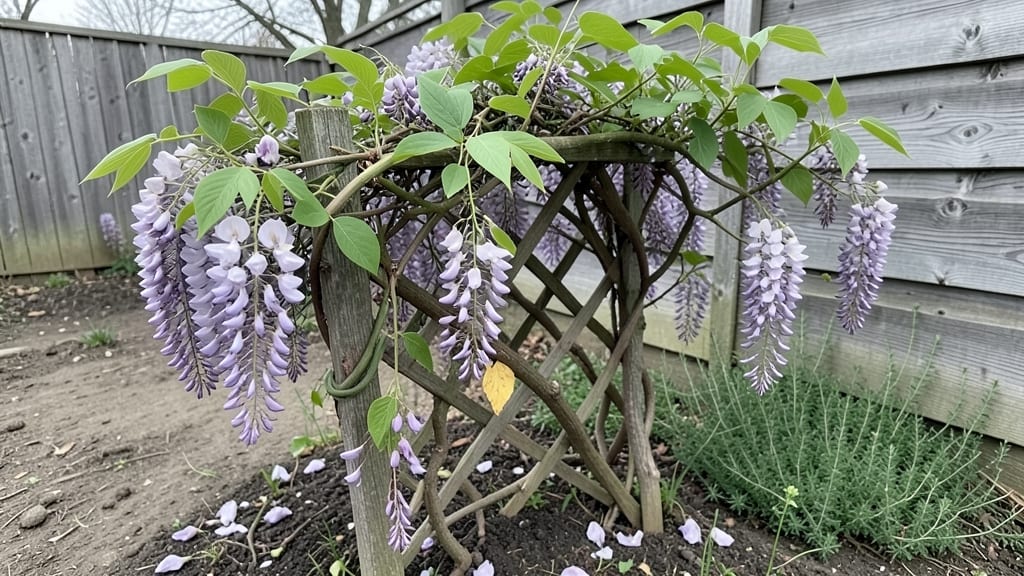
My first visit to a Japanese garden with wisteria vines felt like stepping into a living watercolor painting—every twist of those lavender cascades felt intentional, like nature’s own brushstroke. 🌿 The way wisteria drapes over wooden pergolas or arches across stone paths isn’t just decoration; it’s a deliberate embrace of wabi-sabi, where imperfection creates beauty.
These vines don’t just grow—they tell stories of seasons, from delicate spring blooms to rustling autumn leaves.
What makes wisteria so special in Japanese gardens is how it frames the space. A well-placed trellis turns a corner into a secret sanctuary, while trained vines along a fence create a living curtain that shifts with the breeze.
Pair it with moss-covered stones, bamboo, and maples, and you’ve got a scene straight out of a scroll painting. The key is balance—letting the vines guide your eye without overwhelming the space, so each season feels like a new chapter.
Incorporating wisteria into your own garden starts with a single arch or pergola, where those fragrant blossoms will soon become the heart of your outdoor retreat. Imagine morning coffee under a canopy of lavender, or evening strolls where the scent lingers in the air.
It’s not just a plant; it’s a mood, a memory waiting to unfold with every passing year.
The magic of wisteria lies in its patience—it rewards those who let it grow on its own terms. Whether you’re designing a full garden or just adding a single trellis, the goal is the same: create a space where nature feels like home.
Start small, and let the vines lead the way.
📚 In This Guide
- What you need
- Instructions
- Tips and common mistakes
- Wrapping up and next steps
What you need
- ● Wisteria plants: Choose between Wisteria floribunda (Japanese wisteria) or Wisteria sinensis (Chinese wisteria). Buy 3-5 mature plants (3-5 years old) for a lush, cascading effect.
- ● Support structure: Arbor or pergola (8-12 ft tall, sturdy wood or metal).
- ● Or, a trellis (6-8 ft tall) for smaller spaces.
- ● Soil amendments: Compost (2-3 bags, 40 lbs each) for nutrient-rich soil.
- ● Garden loam or topsoil (2-3 cubic yards).
- ● Slow-release fertilizer (10-10-10, 5 lbs).
- ● Mulch: Wood chips or bark (1-2 cubic yards) to retain moisture.
- ● Pruning tools: Bypass pruners (for clean cuts).
- ● Loppers (for thicker branches).
- ● Garden saw (for large stems).
- ● Watering supplies: Drip irrigation kit or soaker hoses (50 ft length).
- ● Watering can (for hand-watering seedlings).
- ● Protective gear: Garden gloves (heavy-duty, cut-resistant).
- ● Safety goggles (for pruning).
- ● Decorative elements: Stone lanterns or tōrō (traditional Japanese lanterns).
- ● Moss or ground cover plants (e.g., Sedum or Ajuga).
- ● Bamboo fencing or shōji-style screens.
- ● Lighting: Solar-powered path lights or chōchin (paper lanterns).
- ● Seating: A simple wooden bench or zabuton (floor cushions).
- ● Seasonal accents: Cherry blossom branches (for temporary displays) or kokeshi dolls.
Step-by-Step guide for planting and cultivating wisteria in a Japanese garden
Here's how to create a tranquil wisteria haven that thrives with minimal fuss.
🌱 Step 1: Select the Perfect Planting Spot
Wisteria craves full sun—at least 6-8 hours daily—so choose a location with southern or southwestern exposure. I always look for a spot near a sturdy arbor, trellis, or pergola where the vines can climb and spread dramatically. The soil should drain well but retain moisture; amending heavy clay with organic matter improves drainage without sacrificing fertility.
Dig a hole twice as wide as the root ball but no deeper. This encourages roots to spread horizontally, which wisteria loves. Gently loosen the roots if they're circling the pot, then place the plant so the top of the root ball sits 1 inch below soil level. This prevents stem rot while allowing roots to establish.
🪴 Step 2: Plant with Support and Mulch
Install your trellis or arbor before planting—wisteria grows aggressively and needs something to latch onto immediately. I use a 10-foot wooden arbor for a balanced look, but lattice panels work too. Position the support 3-4 feet from the planting hole so the vine can reach it without stretching.
Backfill the hole with native soil mixed with compost, tamping lightly as you go. Water deeply to settle the soil, then add 2-3 inches of mulch around the base, keeping it 6 inches away from the stem. Mulch conserves moisture and regulates soil temperature, which wisteria appreciates during hot summers.
☀️ Step 3: Prune Strategically for Health and Beauty
Wisteria needs annual pruning to control growth and encourage blooms. The best time is late winter or early spring, before new growth begins. Start by removing dead or crossing branches first—these compete for energy and weaken the plant. Then, cut back last year's growth by one-third to promote new, flower-bearing shoots.
Never prune in fall or early winter; you'll risk encouraging tender new growth that won't survive cold snaps. For established vines, I also thin out some of the oldest wood to maintain airflow and reduce disease risk. You'll see new green shoots within 2-3 weeks—that's your sign pruning worked.
💧 Step 4: Water and Fertilize for Lush Growth
Water deeply once a week during the first growing season, ensuring the soil stays moist but not soggy. Wisteria roots run deep, so aim for 1-2 inches of water per week, more during dry spells. I check moisture by sticking my finger 3 inches into the soil—if it's dry, it's time to water.
Feed wisteria with a balanced fertilizer (10-10-10) in early spring, then switch to a low-phosphorus formula (like 10-5-10) once blooming begins. Too much phosphorus encourages leafy growth at the expense of flowers. You'll notice healthier foliage and more abundant blooms within 4-6 weeks of proper feeding.
⏰ Step 5: Enjoy and Maintain Seasonal Care
Once established, wisteria is low-maintenance but benefits from seasonal check-ins. In late spring, remove spent flower clusters to redirect energy to next year's blooms. In fall, apply a 2-inch layer of mulch to insulate roots through winter. If your climate drops below 10°F, wrap young vines in burlap for extra protection.
Watch for aphids or spider mites on new growth—hose them off immediately with water. Mature wisteria rarely needs pesticides, but early intervention prevents infestations. With patience, your wisteria will reward you with fragrant cascades of purple, pink, or white blooms by its third or fourth year.
Tips & tricks for perfect wisteria cultivation in Japanese gardens
A few key strategies will help you create a thriving wisteria haven that complements your Japanese garden's serene atmosphere.
Sunlight Secret: While the instructions specify 6-8 hours of full sun, I've found that wisteria actually performs best with morning sun and afternoon shade in hotter climates. If your garden gets intense afternoon sun, consider planting near a structure that provides natural shade during peak hours. This prevents leaf scorch while still giving your vines the light they crave for those stunning blooms.
Pruning Precision: When you're cutting back last year's growth by one-third in Step 3, look for the thickest, healthiest stems to keep. These will produce the most vigorous new growth and abundant flowers next season. I always make my cuts just above a leaf bud or lateral branch—this encourages branching and creates a fuller, more beautiful vine structure. Use sharp pruners to avoid tearing the bark.
Support System: The instructions mention positioning your trellis or arbor 3-4 feet from the planting hole, but I've learned that starting with a slightly closer support—around 2 feet away—gives wisteria a better chance to establish a strong connection early on. Once established, you can gradually move the support farther away as the vine grows. This creates a more natural, cascading effect over time.
Winter Protection: If your climate drops below 10°F, I've found that wrapping young vines in burlap isn't always enough. For extra protection, I also mound an additional 4-6 inches of mulch around the base of the plant. This creates an insulating barrier that helps maintain more consistent soil temperatures, which is crucial for young roots during harsh winters. Just remember to remove the extra mulch in early spring before new growth begins.
Pro Tips for Wisteria Japan Garden
- A few key strategies will help you create a thriving wisteria haven that complements your Japanese garden's serene atmosphere.
- Sunlight Secret: While the instructions specify 6-8 hours of full sun, I've found that wisteria actually performs best with morning sun and afternoon shade in hotter climates.
- Pruning Precision: When you're cutting back last year's growth by one-third in Step 3, look for the thickest, healthiest stems to keep.
Frequently asked questions
Got questions about cultivating or enjoying wisteria in a Japanese garden? Here are some answers to help you navigate the beauty and intricacies of these stunning vines.
When is the best time to plant wisteria in a Japanese garden?
The ideal time to plant wisteria is in early spring (March–April) or late fall (October–November). This gives the roots time to establish before extreme temperatures. Avoid planting in summer’s heat or winter’s frost, which can stress young vines. Choose a spot with full sun (6+ hours daily) and well-draining soil for optimal growth.
How long does it take for wisteria to bloom?
Patience is key! Wisteria typically takes 3–5 years to produce its first flowers, though some vigorous varieties may bloom sooner. Regular pruning (especially in late winter) encourages healthier growth and more abundant blooms. Japanese wisteria (Wisteria floribunda) is known for its fragrant, cascading flowers—worth the wait!
What’s the easiest way to train wisteria to climb a trellis or arbor?
Start by tying young vines to the trellis with soft garden twine or flexible clips. As they grow, guide the main stems (leaders) upward while pruning side shoots to avoid overcrowding. Use a spiral or fan-shaped method for arbors—this creates a stunning, layered effect. Never force growth; let the vine climb naturally for the best structure.
Are there low-maintenance alternatives to traditional wisteria?
Yes! If wisteria’s growth demands seem overwhelming, consider these Japanese garden-friendly alternatives:
- Clematis – Fast-growing, colorful, and easier to train.
- Camellia – Evergreen with glossy leaves and winter blooms.
- Deutzia – Compact shrub with delicate spring flowers.
- Japanese Maple (Acer palmatum) – Stunning foliage with minimal pruning.
Why isn’t my wisteria blooming, even after years of growth?
Lack of blooms often stems from over-pruning, poor sunlight, or nutrient deficiencies. Try these fixes:
- Reduce aggressive pruning—focus on shaping, not cutting back hard.
- Ensure 6+ hours of direct sun daily.
- Fertilize in early spring with a balanced, phosphorus-rich formula.
- Check for pests (aphids, spider mites) that may stress the plant.
Wrapping up and next steps
Creating your own wisteria-inspired Japan garden is more than just a gardening project—it’s a journey into tranquility and beauty. 🌸 With the right materials, patience, and care, you can cultivate a space that feels like a serene escape, blending nature’s elegance with your personal touch.
Whether you’re a seasoned gardener or a beginner, the key is to start small, stay consistent, and let the vines weave their magic over time.
Ready to transform your space? Take the first step today! Research local wisteria varieties, sketch a simple design, and begin with a single vine—your future garden’s masterpiece awaits. 🌿