
Tools
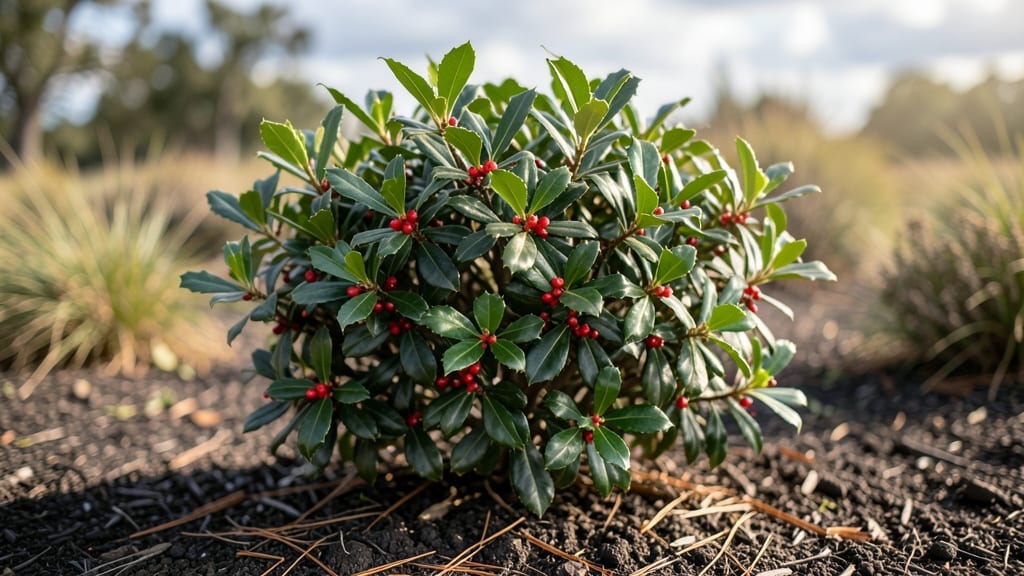
A southern exposure garden turns your backyard into a sun-drenched oasis that thrives all year. 🌿 I’ve designed these spaces to balance beauty with function—where heat-loving plants create natural privacy while requiring almost no extra work once established.
The key lies in layering plants that handle long, hot days without wilting, all while keeping maintenance simple.
Start with a foundation of drought-tolerant shrubs like abelia or rosemary along the fence line—they grow fast and block views without needing constant watering. Then add perennials like black-eyed Susans or coneflowers for seasonal color that blooms reliably.
The trick is spacing them so taller plants don’t steal sunlight from shorter ones, ensuring everything gets enough light to flourish.
By summer, you’ll have a dense, fragrant barrier that stays lush even in July heat. The plants I’ve used here thrive in full sun, so they won’t fade or struggle—just grow.
Plus, the layered design means you always have something in bloom, from spring bulbs to fall asters, with minimal deadheading or pruning.
This approach works for any southern-facing yard, whether you’re filling a narrow strip or a wide expanse. The same principles apply to urban backyards or rural lots—adjust plant sizes to your space, and you’ll get that same effortless privacy and productivity every season.
📚 In This Guide
- What you need
- Instructions
- Tips and common mistakes
- Wrapping up and next steps
What you need
- ● Native shrubs (privacy layer): 10–15 Ilex vomitoria (Yaupon Holly) – drought-tolerant, evergreen, 6–12 ft tall
- ● 8–10 Morella cerifera (Wax Myrtle) – fragrant, salt-tolerant, 6–12 ft tall
- ● 5–7 Nandina domestica (Heavenly Bamboo) – compact, 3–6 ft tall, year-round color
- ● Perennials (mid-layer): 20–30 Salvia (Purple Sage) – drought-resistant, blooms spring–fall
- ● 15–20 Coreopsis (Tickseed) – sunny, low-maintenance, 1–3 ft tall
- ● 10–12 Lantana (Butterfly Flower) – heat-loving, attracts pollinators
- ● Ground cover (low layer): 50 sq ft Asiatic Jasmine (Trachelospermum asiaticum) – evergreen, fragrant, spreads easily
- ● 30 sq ft Frogfruit (Phyla nodiflora) – shade-tolerant, drought-resistant
- ● Required: Shovel (heavy-duty, 18–24” blade)
- ● Pruners (bypass, sharp for clean cuts)
- ● Garden gloves (waterproof, reinforced)
- ● Wheelbarrow (2–3 cu ft capacity)
- ● Measuring tape (25 ft)
- ● String & stakes (for layout)
- ○ Optional (but helpful): Soil pH tester (for native plant prep)
- ● Drip irrigation kit (for water efficiency)
- ● Mulch (3–4” layer of pine straw or cypress mulch)
- ● Edging tool (for clean borders)
- ● ✅ Site assessment: Measure space (minimum 4–6 ft wide for full privacy). Note sunlight (full sun to partial shade) and soil type (sandy, clay, or loamy).
- ● ✅ Permits (if needed): Check local regulations for large shrubs/trees (some areas require approval).
- ● ✅ Prep work: Clear debris, mark plant locations, and amend soil with compost (if poor quality).
Step-by-Step southern exposure garden design for year-round privacy
Here’s how to create a sun-drenched, low-maintenance garden that blocks views while thriving in hot climates.
🌿 Step 1: Plan Your Privacy Layers for Sun and Shelter
Start by dividing your design into three layers: tall evergreens for year-round privacy, mid-height shrubs for texture, and ground covers to fill gaps. For southern exposure, prioritize drought-tolerant plants like leucothoe (tall, glossy foliage) or crape myrtle (fast-growing, heat-loving). Sketch your space and mark where each layer will go—tallest plants should face the house to block direct sun.
I like to stagger plants in odd-number groupings (3, 5, or 7) for natural flow. For example, place 3 leucothoe at the back, 5 hydrangeas in the middle, and 7 liriope along the front edge. This creates depth while keeping maintenance simple. Measure your space and note which areas get full sun (6+ hours) versus partial shade (3-6 hours)—this determines plant placement.
🪴 Step 2: Install Structural Plants for Immediate Privacy
Plant your tallest evergreens first, spacing them 4-6 feet apart to allow airflow and prevent disease. Dig holes twice as wide as the root ball but only as deep—never bury the trunk deeper than it was in the nursery. Amend the soil with 1-2 inches of compost mixed into the bottom of each hole to boost drainage in heavy clay.
Water each plant deeply before backfilling, then tamp soil gently to remove air pockets. Mulch with 2-3 inches of pine straw (not wood chips—it retains too much moisture) to suppress weeds and retain soil moisture. This step is critical: if you skip mulching, you’ll spend hours weeding instead of enjoying your garden.
☀️ Step 3: Add Mid-Height Shrubs for Texture and Color
Fill gaps between tall plants with hydrangeas, abelia, or gardenias—all thrive in southern sun and offer seasonal blooms. Space these 3-4 feet apart to allow mature growth without crowding. Prune leggy stems back by ⅓ in early spring to encourage bushier growth. I avoid boxwoods here—they struggle in intense heat and need constant trimming.
For extra privacy, interplant bamboo (clumping varieties only!) along fences or property lines. It grows fast but stays contained if you remove runners regularly. Water new shrubs 2-3 times per week for the first month, then taper to once weekly once established. Overwatering here leads to root rot, so check soil moisture before watering—it should feel dry 1-2 inches down.
✂️ Step 4: Layer Ground Covers for Year-Round Interest
Fill the front layer with liriope, mondograss, or asiatick fern—all handle southern heat and suppress weeds. Spread them 12-18 inches apart and water lightly until roots establish (about 2-3 weeks). These plants thrive in partial shade from taller shrubs, so they won’t scorch in afternoon sun.
Add ornamental grasses like muhly or fountain grass for movement and height contrast. Shear them back in late winter to encourage fresh growth. This layer is the easiest to maintain—just remove dead fronds and water during droughts. Real talk: if you skip this step, your garden will look sparse and high-maintenance.
💧 Step 5: Establish a Watering Schedule for Low-Maintenance Success
Deep water once weekly in summer, focusing on the root zones of new plants. Use a soaker hose or drip irrigation to avoid wetting leaves (which invites fungal diseases). I set my system to run for 45-60 minutes in the early morning—this gives roots time to absorb moisture before the heat peaks.
After the first year, most plants will be drought-tolerant, but check soil moisture in extreme heat waves. If the top 2 inches of soil feel dry, water again. Mulch prevents evaporation, so you’ll water 30-50% less than with bare soil. This is the secret to keeping your garden lush without constant effort.
Tips & tricks for perfect southern exposure garden design
A few key strategies will help you create a thriving privacy garden that actually stays low-maintenance year after year.
Plant Placement is Everything: In Step 1, when you're sketching your layout, remember that southern exposure means afternoon sun will hit your plants hardest. Position your 3 leucothoe at the back to create shade for the 5 hydrangeas behind them, while the 7 liriope in the front will handle the brightest light. This staggered approach prevents sunburn on tender leaves and creates natural airflow between plants—critical for preventing fungal diseases in humid southern climates.
Soil Prep Makes All the Difference: Before planting in Step 2, test your soil's drainage—especially important in southern climates where heavy rains follow dry spells. Mix that 1-2 inches of compost into the bottom of each hole, but don't overdo it with organic matter. Too much compost can create soggy soil that suffocates roots. I like to add a handful of perlite to each hole for extra drainage—this simple step prevents root rot that can kill your privacy screen before it even matures.
Watering Wisdom: That 45-60 minute weekly watering in Step 5 is your golden rule, but timing matters just as much as duration. Set your soaker hose to run in the early morning (between 4-7am) to give leaves time to dry before afternoon humidity sets in. If you water in the evening, you'll create the perfect conditions for fungal diseases like powdery mildew. Pro tip: Use a rain gauge to measure your water output—most southern gardens need about 1 inch of water per week, including rainfall.
Pruning for Privacy: When you're pruning those ⅓ leggy stems in Step 3, don't just cut randomly. Step back and look at your garden as a whole—you're sculpting a living wall. Focus on removing stems that grow toward the center of the plant, as these create dense foliage that blocks views better. And here's what nobody tells you: save your pruned stems! Dry them and use as mulch around the base of your plants—it's free fertilizer that breaks down slowly.
Pro Tips for Southern Exposure Garden
- A few key strategies will help you create a thriving privacy garden that actually stays low-maintenance year after year.
- Plant Placement is Everything: In Step 1, when you're sketching your layout, remember that southern exposure means afternoon sun will hit your plants hardest.
- Soil Prep Makes All the Difference: Before planting in Step 2, test your soil's drainage—especially important in southern climates where heavy rains follow dry spells.
Frequently asked questions
Got questions about creating your own Southern Exposure Garden? You’re not alone! Here are answers to some of the most common queries to help you design a lush, private oasis with ease.
What’s the best time of year to plant a Southern Exposure Garden?
For optimal results, plant perennials and shrubs in early spring or fall when temperatures are mild but not extreme. This gives roots time to establish before summer heat or winter cold. Annuals and fast-growing plants can be added in late spring after the last frost. Pro tip: If you’re in a hotter Southern climate (Zones 7-10), focus on fall planting to avoid transplant shock.
How do I ensure year-round privacy without sacrificing sunlight?
Layer your garden with a mix of evergreen shrubs (like boxwoods or holly), semi-evergreens (e.g., gardenias or camellias), and seasonal bloomers (azaleas, crape myrtles). Place taller plants on the north side of your space to avoid shading shorter, sun-loving varieties. Vines on trellises (e.g., climbing roses or wisteria) add vertical privacy while allowing light to filter through.
How much maintenance does a Southern Exposure Garden really need?
These gardens are designed for low-maintenance living! Expect minimal pruning (just shape shrubs 1-2 times a year) and moderate watering (deep watering 1-2 times per week, more in extreme heat). Mulch heavily to retain moisture and suppress weeds. Pro tip: Choose native or drought-tolerant plants (like muhly grass or yucca) to cut water needs even further.
What’s the most budget-friendly way to start my Southern Exposure Garden?
Start small with container gardening or propagating cuttings from existing plants (many shrubs root easily in water!). Buy bare-root plants in early spring for savings, or check local plant swaps or nursery clearance sections. Prioritize multi-purpose plants (like dwarf fountain grass for texture and privacy) to maximize impact without over-spending.
How do I keep pests (like deer or insects) out of my garden?
Deer? Try fragrant plants (rosemary, lavender) or physical barriers (chicken wire around young plants). Insects? Encourage beneficial predators (ladybugs, lacewings) with native pollinator-friendly plants (e.g., salvia, coneflowers). Neem oil or insecticidal soap are gentle, effective sprays for targeted pests. Pro tip: Healthy soil = healthy plants—pests avoid stressed greenery!
Wrapping up and next steps
A Southern Exposure Garden isn’t just about beauty—it’s about creating a serene, private retreat that thrives year-round with minimal effort. By layering evergreens, seasonal blooms, and native plants, you’ve got a lush, low-maintenance oasis that’s as functional as it is stunning. 🌿
Now that you’re inspired, take the first step: sketch your space, pick 2-3 key plants from this guide, and start small. Every great garden begins with a single shovel in the dirt—yours could be next! 🌱