
Pests
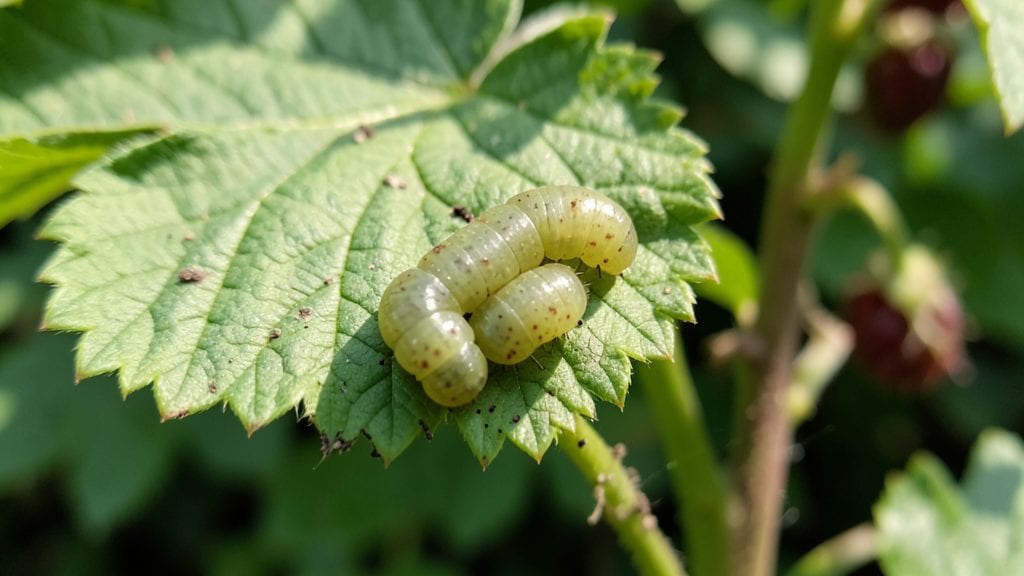
Identifying garden grubs before they wreck your plants saves you from a nightmare of chewed leaves and wilting stems. I’ve spent years digging through soil and spotting these sneaky critters—some harmless, others destructive—and learned the telltale signs that make the difference.
The key is knowing what to look for: size, shape, and the damage they leave behind.
A magnifying glass is your best tool, but even your eyes can spot the clues if you know where to focus. Cutworms hide under leaves by day and slice through seedlings at night, leaving clean cuts like someone used scissors.
Grubs, those C-shaped white larvae, tunnel through roots, while wireworms leave irregular holes in bulbs and tubers. The damage tells the story—no need for fancy gear.
Once you recognize them, you’ll act fast. Pulling cutworms by hand works for small patches, while grubs respond to nematodes or milky spore. Wireworms? Crop rotation and deep tilling break their cycle. The goal isn’t just to spot them—it’s to stop them before they turn your garden into a buffet.
This guide cuts through the confusion so you can tackle grubs with confidence, whether you’re dealing with a single plant or a full-blown infestation. Let’s get started—your garden’s future depends on it.
Root Causes Behind Grub Infestations
Garden grubs—those squirming, soil-dwelling larvae—don’t just appear out of nowhere. Their presence is usually a sign of deeper ecological imbalances in your yard. Understanding why they thrive helps you tackle the problem at its source. Below, we break down the key factors that turn your garden into a grub buffet.
Grubs love lush, nitrogen-rich lawns—almost too much of a good thing. When homeowners overapply synthetic fertilizers (especially those high in nitrogen), they’re essentially feeding the very pests they’re trying to control. Here’s why:
- Excess nitrogen stimulates rapid grass growth, which grubs devour like a steak dinner. 🥩
- Thatch buildup (that spongy layer between soil and grass) traps moisture and organic matter, creating the perfect nursery for grubs.
- Weakened grass roots from over-fertilization make plants more vulnerable to grub damage, as they can’t recover quickly from feeding.
Actionable fix: Test your soil before fertilizing and opt for slow-release, organic options. Aim for a balanced NPK ratio (e.g., 16-4-8) to avoid nitrogen overload.
Grubs need moisture to survive, but too much—or too little—water can actually invite them. Here’s how watering habits backfire:
| Issue | Why It Attracts Grubs |
|---|---|
| Overwatering | Soggy soil creates anaerobic conditions, stressing grass but making it more palatable to grubs (they prefer tender, waterlogged roots). |
| Inconsistent watering | Drought-stressed grass becomes easier for grubs to chew through, and sudden deep watering can drown beneficial predators like beetle larvae. |
| Poor drainage | Waterlogged areas become breeding grounds for grubs, as their eggs thrive in saturated soil. |
Actionable fix: Water deeply but infrequently (1–1.5 inches per week) and improve drainage with sand or organic matter. Avoid evening watering, which prolongs moisture and attracts pests.
Grubs aren’t the only ones digging in your soil—nature’s pest control is hard at work, too. When their populations dwindle, grubs multiply unchecked. Common predators include:
- Beetle larvae (e.g., tiger beetles, ground beetles)
- Birds (robins, starlings, and grackles feast on grubs)
- Toads and frogs (they snack on grubs and eggs)
- Beneficial nematodes (microscopic worms that parasitize grubs)
Pesticides, compacted soil, or habitat loss (like removing leaf litter) can disrupt this balance. Actionable fix: Create predator-friendly zones with mulch, bird baths, and avoid broad-spectrum pesticides. Introduce nematodes like Steinernema carpocapsae for biological control.
Grubs thrive in soil rich in decomposing organic matter—think fallen leaves, grass clippings, or compost piles. While these seem harmless, they can become a grub smorgasbord if left unmanaged:
- Leaf litter provides shelter and food for adult beetles, which lay eggs in the soil below.
- Thatch layers (from over-fertilization or dead grass) trap grubs and protect them from predators.
- Weak soil structure (compacted or clay-heavy) makes it harder for beneficial microbes to outcompete grubs.
Actionable fix: Aerate your lawn annually, dethatch in spring, and remove excess organic debris. Amend soil with compost to improve microbial activity, which naturally suppresses grub populations.
Grub infestations are rarely random—they’re a symptom of an unbalanced ecosystem. By addressing these root causes, you’ll make your garden less inviting to grubs and more resilient to future invasions. 🚀
Quick Fixes for Garden Grub Problems
Once you’ve identified the type of grubs wreaking havoc in your garden, it’s time to take action! The good news? Most grub issues can be tackled with simple, effective methods—whether you prefer natural remedies or targeted treatments.
Below, we’ve mapped out the best solutions based on the most common causes, along with prevention tips to keep your garden grub-free long-term.
Fix: Improve soil health and disrupt their habitat.
- Aerate the soil 🌱 – Use a garden fork or aerator to break up compacted soil, allowing roots to breathe and grubs to dry out. Focus on lawns and garden beds where you’ve spotted damage. - Reduce watering 💧 – Grubs thrive in soggy soil.
Water deeply but less frequently (1–1.5 inches per week) to encourage root growth and deter moisture-loving pests. - Apply organic matter 🍂 – Mix in compost or aged manure to improve drainage and attract beneficial microbes that outcompete grubs for food.
Prevention Tip: 💡 Test your soil before planting—ideal soil should drain within 6 hours of watering. If it stays muddy, amend it with sand or perlite.
Fix: Target larvae before they mature into beetles.
- Handpick or vacuum grubs 🪰 – On small lawns, use a shop vac or trowel to scoop grubs from the top 2–3 inches of soil. Drop them in soapy water to kill them. - Use nematodes 🐛 – Beneficial Heterorhabditis bacteriophora nematodes hunt grubs naturally.
Apply them in early evening with a hose-end applicator after watering. - Milky spore treatment 🌾 – For Japanese beetle grubs, spread Bacillus popilliae (milky spore) granules on lawns in late summer. It takes 2–3 years to establish but provides long-term control.
Prevention Tip: ✨ Mow high (3–4 inches) to shade soil and discourage beetle egg-laying. Overseed thin lawns to crowd out grubs’ favorite feeding spots.
Fix: Protect plants and disrupt the grub life cycle.
- Neem oil spray 🌿 – Spray neem oil on soil and plant leaves to repel adult beetles (which lay eggs). Reapply every 7–10 days during beetle season (spring/fall). - Diatomaceous earth (DE) 🏺 – Sprinkle food-grade DE around plant bases (avoid overwatering afterward).
It dehydrates grubs but is safe for plants. - Row covers 🛡️ – Use lightweight fabric to block adult beetles from laying eggs in early spring.
Prevention Tip: 🎯 Interplant with marigolds or catnip—these deter beetles naturally. Rotate crops yearly to starve grubs of their favorite hosts (like tomatoes or roses).
Fix: For large-scale damage, targeted pesticides can help.
- Imidacloprid or chlorantraniliprole 💊 – Systemic granules or sprays kill grubs when they feed. Follow label rates and water in thoroughly. - Carbaryl (Sevin) 🐜 – A fast-acting option for Japanese beetle grubs.
Apply in early morning to avoid harming bees. - Professional treatment 🚜 – If grubs cover large areas, hire a pest control service for deep soil applications.
⚠️ Warning: Chemical controls should be a last resort. Always follow safety instructions and reapply as needed.
Keep grubs from returning with these habits: - Inspect plants weekly in spring/fall (peak beetle activity). - Encourage predators like birds, toads, and ground beetles by leaving leaf litter in garden edges. - Avoid synthetic fertilizers—they can attract beetles.
Use slow-release organic options instead. - Plant resistant varieties like nematode-tolerant grasses or grub-resistant roses (e.g., ‘Knock Out’).
Pro Tip: 🌡️ Time your treatments right—grubs are most vulnerable in late summer/early fall (when they’re larvae) and spring (when adults emerge). Act fast to break their cycle!
Frequently asked questions about garden grubs
How can I tell if I have grubs vs. worms in my soil?
Grubs are typically C-shaped white larvae with short legs, while earthworms are long, segmented, and reddish-brown. Grubs also leave behind irregular root holes or chewed plant stems, whereas worms create vertical tunnels and improve soil structure. Check for these clues when digging up soil samples.
Are all garden grubs harmful to plants?
Not all grubs are destructive—some, like earthworm larvae, actually help aerate soil. The harmful ones (e.g., Japanese beetle grubs or cutworms) target roots and stems. Look for wilting plants, brown patches in lawns, or clean-cut stems—these are red flags for damaging grubs.
What’s the best time of year to treat for grubs?
Target grubs in late summer/early fall (when they’re larvae) or spring (when adults emerge). This breaks their life cycle before they multiply. Avoid treating in winter, as cold slows their activity, making remedies less effective.
Can I use coffee grounds to repel grubs?
Coffee grounds can help deter adult beetles (which lay eggs), but they won’t kill existing grubs. Sprinkle used grounds around plant bases—their acidity repels pests. For grubs already in the soil, combine this with nematodes or milky spore for better results.
How do I know if my lawn damage is from grubs or something else?
Grubs cause brown, spongy patches that pull up easily (like a carpet). Other culprits include fungal diseases (which leave powdery residue) or chinch bugs (tiny black insects). Dig up a small section—if you find white, C-shaped larvae, it’s grubs.