Pests
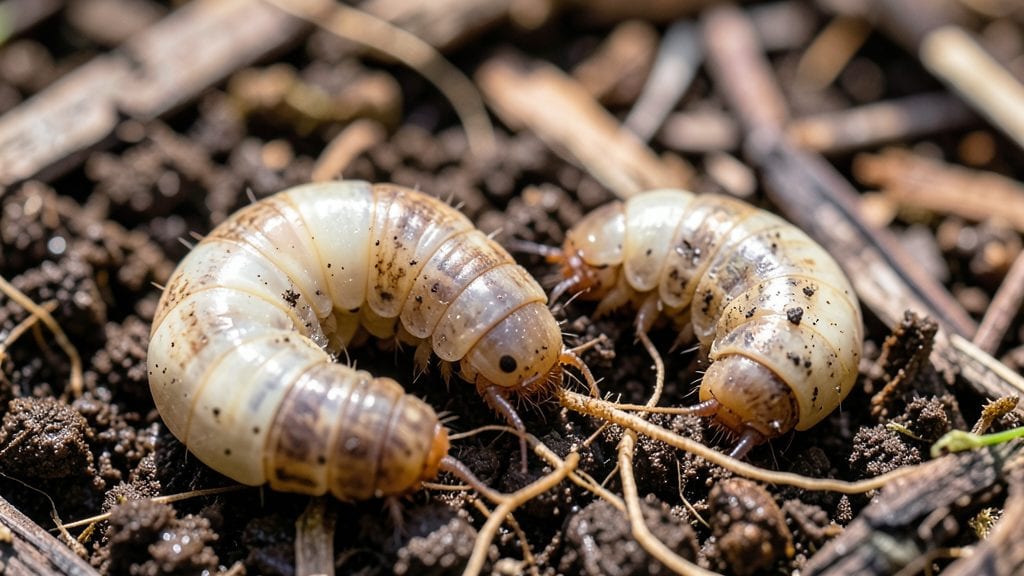
Large garden grubs are the sneaky destroyers lurking beneath your lawn and garden beds, and I’ve spent years figuring out how to kick them out without poisoning your soil. 🌱 The first time I saw my prized roses wilting overnight, I knew something was chewing through the roots—and it wasn’t rabbits or deer.
These white, C-shaped larvae can decimate your plants in weeks if you don’t act fast.
Most people reach for chemical pesticides, but that kills beneficial insects too and leaves behind toxic residue.
Instead, I’ve perfected a three-step approach—first, identify the damage (look for brown patches in grass or wilting plants with no visible pests above ground), then use natural predators like nematodes or birds, and finally, fix the soil conditions that attract them in the first place.
It takes patience, but your garden will thank you.
By the end of this, you’ll have a grub-free zone where vegetables grow strong, lawns stay green, and ornamental plants thrive without a trace of chemical warfare. The key is acting early—once the grubs mature into beetles, they’re nearly impossible to stop. Let’s get your garden back to healthy.
This works for vegetable patches, lawns, and flower beds, and I’ll even share how to rescue plants already struggling from grub damage. No more guessing—just real solutions that actually work.
The hidden triggers behind grubs
Large, wriggling grubs in your garden aren’t just random pests—they thrive because of specific conditions that turn your lawn into their perfect buffet. Understanding these triggers is the first step to outsmarting them naturally.
Below, we break down the science behind why these soil-dwelling larvae show up in force, so you can address the root causes (literally!) and reclaim your garden.
Grubs—especially those from Japanese beetles or May/June beetles—love moist, soft soil because it’s easier for their eggs to hatch and for larvae to burrow. Here’s why this happens:
- Excess moisture: Overwatering (or poor drainage) creates the ideal humidity for grub eggs to survive and larvae to feed. Think of it like a spa for grubs—they’re not fans of dry conditions.
- Compacted soil: Heavy foot traffic, machinery, or clay-heavy soil compresses the earth, making it harder for grass roots to compete with grubs. Compacted soil also traps moisture, extending the grub’s happy zone.
- Thatched layers: A thick layer of dead grass (thatch) acts as insulation, keeping the soil damp longer and providing a cozy hideout for larvae.
Actionable fix: Test your soil’s drainage (dig a 6-inch hole—if water pools, you’ve got a problem). Aerate compacted lawns in fall or spring to improve airflow and reduce moisture retention. Mow high (3–4 inches) to minimize thatch buildup.
Adult beetles don’t just drop eggs randomly—they target lawns with lush, tender grass because it’s a high-protein meal for their offspring. Here’s the breakdown:
- Newly seeded lawns: Fresh grass is like an all-you-can-eat buffet for grubs. Beetles detect nitrogen-rich soil (from fertilizers or compost) and lay eggs in these areas first.
- Weak or stressed grass: Drought, disease, or poor soil health make grass vulnerable. Grubs thrive where roots are already struggling to compete.
- Timing matters: Most grub species lay eggs in late spring to early summer (May–July in most climates). If you see adult beetles feasting on your roses or leaves, eggs are likely already in the soil.
Actionable fix: Avoid heavy nitrogen fertilizers in late spring/early summer. Instead, use slow-release, organic options like compost or worm castings. Plant grub-resistant grasses like tall fescue or Kentucky bluegrass.
Grubs are cold-blooded (literally)—they’re most active in warm, shaded soil where temperatures hover between 60–85°F. Here’s why your shady patches might be ground zero:
- Temperature regulation: Shady areas stay cooler in summer and warmer in spring, creating a stable environment for egg hatching and larval growth.
- Moisture retention: Shade reduces evaporation, keeping soil damp longer—another grub favorite.
- Less competition: Shady spots often have weaker grass, giving grubs an easier time munching on roots.
Actionable fix: Thin out dense tree canopies to let sunlight reach the soil. If shading is unavoidable, overseed with shade-tolerant grasses like fine fescue. Mulch lightly (1–2 inches) to regulate soil temp without smothering roots.
Grubs aren’t picky eaters—they’ll chow down on grass roots, but they also love decomposing organic matter. Here’s how your garden might be unknowingly inviting them:
- Fresh compost or manure: While great for plants, freshly added organic matter can attract grubs if it’s too rich in nitrogen. Think of it as a “Welcome, Larvae!” sign.
- Leaf litter or mulch piles: Thick layers of leaves or wood chips create microclimates where grubs hide and feed on decomposing material.
- Root debris from dead plants: When plants die, their roots become a free snack for grubs, encouraging them to stay and multiply.
Actionable fix: Spread compost or manure thinly (¼ inch max) and water it in well to reduce nitrogen spikes. Rake up thick leaf litter and mulch in fall to deprive grubs of hiding spots. Rotate garden beds to avoid overloading one area with organic matter.
Pro tip: 🔍 Grubs love consistency—if your lawn has the same issues year after year (overwatering, shade, rich soil), they’ll keep coming back. Break the cycle by rotating solutions, like alternating between aeration and organic fertilizers.
Natural Ways to Eliminate Garden Grubs
Once you’ve identified the culprits—whether they’re Japanese beetle grubs, cutworms, or white grubs—it’s time to act. The good news? You don’t need harsh chemicals to reclaim your lawn or garden.
Below are targeted, eco-friendly solutions for each common cause, along with prevention tips to keep grubs from returning.
If your grass looks sponge-like (easily pulled up in patches) or yellowing, Japanese beetle or white grubs are likely the culprits. Here’s how to tackle them:
🍳 Organic Lawn Treatments (Safe & Effective)
- Milky Spore Powder 🌱 - How to use: Sprinkle 1–2 pounds per 1,000 sq. ft. in early summer (June–July) when grubs are young.
Water lightly to activate. - Why it works: This natural bacteria (Bacillus popilliae) infects grubs, killing them over time. It’s long-lasting (5+ years in ideal conditions). - Best for: Japanese beetle grubs in cool-season grasses (Kentucky bluegrass, fescue).
- Nematodes (Beneficial Worms) 🐛 - How to use: Apply heterorhabditis bacteriophora nematodes in early morning or evening (they hate direct sunlight). Water the lawn 24 hours before and after application. - Why it works: These microscopic worms paralyze and kill grubs within 48 hours.
Reapply every 4–6 weeks if infestation is severe. - Best for: All types of grubs in lawns and garden beds.
- Neem Oil Spray 🌿 - How to use: Mix 2 tbsp neem oil + 1 tsp mild soap in 1 gallon of water.
Spray directly on grubs (dig up patches first) or as a preventive foliar spray for plants. - Why it works: Disrupts grubs’ feeding and molting, weakening them over time. - Best for: Prevention and light infestations (works best on young grubs).
- Beer Traps (For Adult Beetles) 🍺 - How to use: Bury a shallow container (like a tuna can) in the soil, fill with beer, and cover with a board.
Check daily—adult beetles will drown. - Why it works: Beer attracts beetles, reducing next year’s grub population. - Best for: Japanese beetles (preventative measure).
If you’re seeing chewed leaves, wilting plants, or small holes in stems, cutworms or other soil-dwelling grubs are likely the problem. These methods remove them physically without chemicals.
🥘 Hand-Picking & Barriers
- Nighttime Inspections 🌙
- How to do it: Go out after dark with a flashlight—cutworms curl up when disturbed. Pick them off and drown in soapy water.
- Why it works: Most active at night, making them easy to spot and remove.
- Collar Barriers 🛡️
- How to use: Wrap the base of young plants (tomatoes, peppers, beans) with cardboard, aluminum foil, or plastic collars (bury 1–2 inches deep).
- Why it works: Prevents cutworms from climbing up and chewing stems.
- Diatomaceous Earth (DE) 🪨
- How to use: Sprinkle food-grade DE around plants and lightly on soil. Reapply after rain.
- Why it works: DE cuts grubs’ exoskeletons, causing dehydration. Safe for plants and pets once settled.
- Chicken or Duck Patrol 🐔
- How to use: Let free-range chickens or ducks graze in the garden—they love eating grubs and will clean up infestations fast.
- Why it works: Natural pest control with zero chemicals.
The best defense? A healthy garden ecosystem that grubs don’t want to invade. Try these long-term fixes:
| Prevention Method | How to Do It | Best Time to Apply |
|---|---|---|
| Healthy Soil | Add compost, worm castings, and mycorrhizal fungi to improve soil structure. | Spring & Fall |
| Diverse Planting | Avoid monocultures (e.g., all roses in one bed). Grubs target weak plants. | Planting Season |
| Mulch Strategically | Use straw or wood chips (not thick layers) to deter egg-laying adults. | Early Summer |
| Beneficial Insects | Attract ground beetles, toads, and birds with native plants and water sources. | Year-Round |
| Avoid Overwatering | Grubs thrive in soggy soil. Water deeply but less frequently. | Growing Season |
💡 Test first: Dig up a 12"x12" patch of lawn in late summer to check grub levels.
If you find 5+ grubs per sq. ft., treat immediately. 🔥 Timing is key: Apply nematodes or milky spore when grubs are small (June–July) for best results. 🌡️ Aerate your lawn: Helps beneficial microbes thrive and reduces grub hiding spots. 🎯 Rotate methods: Don’t rely on one solution—combine nematodes + milky spore + cultural controls for maximum effectiveness.
By using these targeted, chemical-free methods, you’ll restore your garden’s health while keeping your soil (and local wildlife) safe. Grubs won’t stand a chance! 🚫🐛
Frequently asked questions
What do large garden grubs look like?
Most garden grubs are white, C-shaped larvae about 1–1.5 inches long with brown heads. Japanese beetle grubs have three pairs of legs near their heads, while cutworms are smoother and can be gray or brown. Look for them in moist soil when digging up plants or checking for lawn damage.
How do I know if my lawn has grubs?
Grubs damage lawns by eating roots, causing spongy patches that pull up easily or yellowing grass that recovers after watering. Dig up a 12"x12" section—if you find 5+ grubs per square foot, you’ve got an infestation. Check in late summer when grubs are most active.
Are grubs harmful to humans or pets?
No, grubs aren’t dangerous to touch—they’re just pests. However, some pets (like dogs) might dig up infested lawns, accidentally ingesting grubs. If you see your pet scratching excessively or licking their paws, check for bites from adult beetles that may have hatched nearby. Always supervise pets in treated areas.
Can I use vinegar to kill grubs?
Vinegar won’t kill grubs directly—it’s too mild. However, a 3% vinegar spray can help deter adult beetles from laying eggs by making the soil too acidic. For existing grubs, combine vinegar with neem oil (1:1 ratio) and spray on soil to disrupt their lifecycle. Reapply weekly for prevention.
How long does it take for natural treatments to work?
Timing varies by method: Nematodes kill grubs in 48 hours, while milky spore takes 2–3 weeks to establish. Neem oil works slowly over 2–4 weeks by weakening grubs. For best results, apply treatments in early summer when grubs are young and vulnerable. Patience pays off—consistent prevention beats quick fixes!