Pests and Diseases
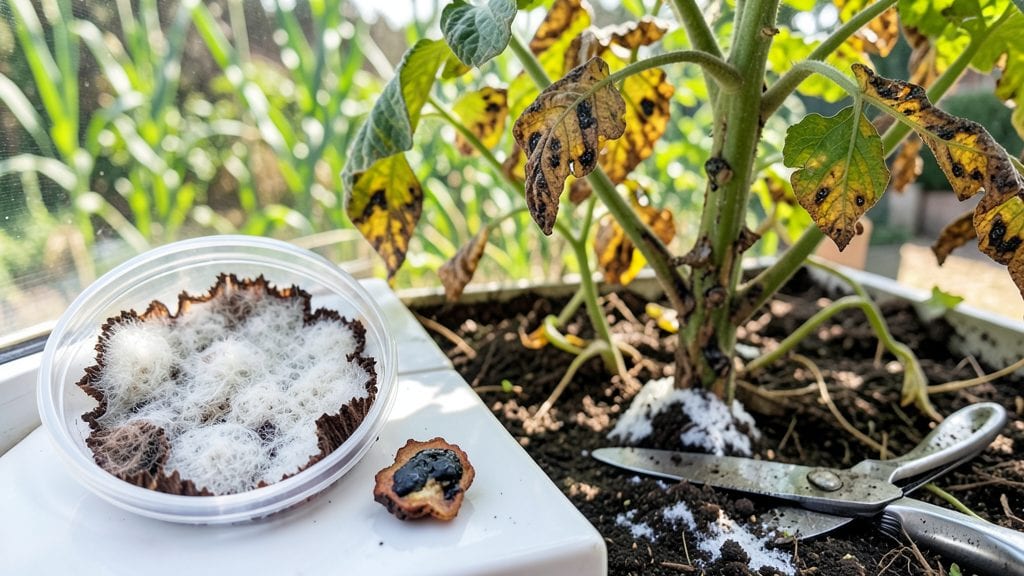
Identifying fungus in your garden starts with knowing what to look for—those fuzzy white patches, rusty orange spots, or slimy black streaks aren’t just random plant quirks. 🌱 I’ve spent years watching my tomatoes, roses, and lawns get hit by the same old fungal troublemakers, and I’ve learned the telltale signs that save seasons.
The key? Checking the right plant parts—leaves, stems, even the soil—and matching what you see to the fungus’s signature moves.
Powdery mildew leaves a chalky white dust, rust fungus makes orange pustules on undersides, and blight turns leaves to soggy brown messes. Confusing them with other problems (like insect damage or nutrient burns) is easy—until you know the fungus’s favorite hiding spots and how it spreads.
A magnifying glass or clear plastic bag over a sample can confirm your guess in minutes, and that’s when you decide: fight it or let it go.
Once you spot the right fungus, solutions get simple: neem oil for powdery mildew, copper spray for rust, or pruning out blighted stems before it jumps to healthy plants.
The goal isn’t perfection—it’s catching it early enough to save your garden without losing your mind. Here’s how to tell them apart and what to do next.
This works for vegetables, flowers, and even lawns—just adjust your timing and tools. The sooner you recognize the patterns, the less fungus gets the upper hand in your garden. Let’s get you spotting the clues like a pro.
Root Causes of Garden Fungus
Fungal growth in your garden isn’t just random—it thrives when specific conditions align. Understanding the why behind fungus outbreaks helps you tackle the problem at its source. Below are the key factors that create the perfect storm for fungal invaders, along with the science behind them.
Fungi are essentially water-loving microorganisms that rely on moisture to spread their spores and colonize plant tissues. When your garden stays too wet—whether from overwatering, heavy rainfall, or compacted, waterlogged soil—you’re essentially rolling out the welcome mat for fungus. Here’s how it happens:
- Spores germinate faster: Most fungal spores need a film of water to activate. Even light morning dew can trigger germination, but prolonged dampness (like soggy soil) keeps them thriving.
- Oxygen depletion: Waterlogged soil cuts off oxygen, weakening plant roots and making them easier targets for fungal pathogens like Phytophthora (root rot) or Pythium.
- Foliar diseases spread: Fungi like powdery mildew or downy mildew latch onto leaf surfaces when humidity stays above 75-90% for extended periods.
Actionable fix: Improve drainage with organic matter (compost, perlite) and avoid overhead watering. Mulch properly—too much can trap moisture against stems.
Healthy plants have natural defenses, but stress—whether from nutrient deficiencies, physical damage, or competition—weakens their barriers. Fungi exploit these vulnerabilities like vultures circling a wounded animal. Key stressors include:
- Poor air circulation: Dense plantings or thick foliage trap humidity, creating microclimates where fungi thrive. Example: Botrytis blight (gray mold) loves shaded, crowded areas.
- Nutrient imbalances: Too much nitrogen (common in fast-growing grass) makes plants soft and fungus-prone, while deficiencies (like potassium) weaken cell walls.
- Physical damage: Pruning wounds, insect bites, or hail scars provide entry points for fungi like Venturia (apple scab).
Actionable fix: Space plants for airflow, prune correctly (sterilize tools!), and rotate crops to avoid soil-borne pathogens.
Fungi aren’t picky—they adapt to a wide range of temperatures, but most prefer moderate warmth combined with high humidity. Here’s the sweet spot for common garden fungi:
Fungus Type
Optimal Temp Range (°F)
Humidity Trigger
Powdery Mildew
60–85°F
High nighttime humidity (>70%)
Black Spot (Roses)
65–80°F
Leaf wetness for 6+ hours
Root Rot (Phytophthora)
70–90°F
Waterlogged soil
Why it matters: Cool, damp springs and humid summers are peak fungus season. Fungi like Rhizoctonia (which causes damping-off in seedlings) even produce spores in response to soil temperature shifts.
Actionable fix: Monitor weather forecasts and water early in the day so foliage dries quickly. Use shade cloth in hot, humid climates.
Fungal spores are everywhere—in soil, on tools, and even in compost. If you’re not sterilizing your equipment or amending soil properly, you’re unknowingly spreading the problem. Here’s how:
- Pruners and shovels: Spores hitchhike on dirty tools, infecting new cuts. Example: Canker diseases spread via contaminated pruners.
- Old plant debris: Leaving infected leaves or mulch in the soil feeds fungal colonies. Sclerotinia (white mold) survives in soil for years.
- Infested compost: Improperly heated compost can harbor pathogenic fungi instead of breaking them down.
Actionable fix: Sterilize tools with 70% isopropyl alcohol or bleach water (1:9 ratio). Remove all plant debris after harvest, and compost only disease-free material.
Just like humans, plants have immune systems—and when they’re compromised, fungi move in. Common immunity killers:
- Pesticide overuse: Broad-spectrum fungicides can disrupt beneficial microbes that suppress pathogens (e.g., Trichoderma fungi).
- Poor soil biology: Healthy soil teems with mycorrhizal fungi that compete with plant pathogens. Chemical fertilizers can starve these allies.
- Genetic susceptibility: Some plants (like phlox or tulips) are naturally prone to specific fungi. Example: Tulip fire is a fungal disease that only affects tulips.
Actionable fix: Build soil health with compost and cover crops. Choose resistant varieties (e.g., mildew-resistant squash) and rotate crops annually.
How to Fix Fungal Issues Fast
Once you’ve identified the fungus wreaking havoc in your garden, it’s time to take action! The good news? Most fungal problems can be tackled with simple, natural, or chemical solutions—depending on the severity.
Below, we’ve mapped out practical fixes for common causes, along with prevention tips to keep your garden healthy long-term.
Cause: High humidity, poor airflow, or overcrowded plants. Fix:
- 🔥 Remove infected leaves – Prune and dispose of heavily affected foliage (don’t compost it!).
- 🍳 Homemade spray – Mix 1 tsp baking soda + 1 tsp dish soap + 1 quart water, then spray plants weekly (especially undersides of leaves).
- 🌡️ Improve airflow – Thin out dense plantings, stake vines, and avoid watering overhead.
- ✨ Prevent recurrence – Space plants properly, water early in the day, and avoid nitrogen-heavy fertilizers.
Cause: Wet foliage, contaminated soil, or susceptible tomato/pepper varieties. Fix:
- 👨🍳 Copper fungicide spray – Use Bordeaux mixture or a copper-based spray every 7–10 days until symptoms fade.
- 🔪 Remove and destroy infected plants – Don’t leave them in the garden; blight spores linger in debris.
- 🌱 Rotate crops – Avoid planting tomatoes/peppers in the same spot for 3+ years.
- 💡 Pro tip: Grow resistant varieties (like ‘Defiant PhR’ tomatoes) and mulch with straw to keep soil dry.
Cause: Overwatering, compacted soil, or poor drainage. Fix:
- ⏰ Adjust watering – Let soil dry between waterings; never soggy! Use a moisture meter if needed.
- 🔪 Dig up severely infected plants – If roots are mushy and black, remove them immediately.
- 🌱 Improve drainage – Amend soil with compost, perlite, or sand to loosen it. For containers, ensure pots have drainage holes.
- 🍄 Fungicidal treatment – Apply mycorrhizal fungi or beneficial bacteria (like Trichoderma) to outcompete pathogens.
- 🎯 Prevention: Plant in raised beds or on slopes to avoid water pooling.
Cause: Warm, humid weather + susceptible plants (beans, roses, tomatoes). Fix:
- 🔥 Prune infected leaves – Cut off orange pustules immediately to stop spore spread.
- 🌡️ Reduce humidity – Use shade cloth in hot climates and space plants for airflow.
- 💪 Boost plant health – Feed with low-nitrogen, high-phosphorus fertilizer (like bone meal) to strengthen defenses.
- 🍄 Prevent next year: Plant resistant varieties (e.g., ‘Rust-resistant’ roses) and rotate crops.
Cause: Fungal spores in soil/water + wet leaves (common on shade trees, veggies). Fix:
- 🔪 Remove and burn infected leaves – Do not compost them.
- 🍳 Fungicide spray – Use chlorothalonil or a neem oil solution (1 tbsp neem oil + 1 tsp soap per gallon of water).
- 🌱 Sterilize tools – Clean pruners with 70% isopropyl alcohol between cuts.
- ✨ Long-term fix: Mulch with wood chips (not leaves) and water at the base (not overhead).
No matter the fungus, these universal strategies keep gardens healthier:
- 💡 Water wisely – Early morning (6–9 AM) only; avoid evening watering.
- 🌡️ Monitor humidity – Use a hygrometer and dehumidifiers in greenhouses.
- 🍄 Choose resistant plants – Check seed catalogs for disease-resistant labels.
- 🔄 Rotate crops – Never plant the same family (e.g., tomatoes, peppers) in the same spot yearly.
- 🌱 Boost soil health – Compost + beneficial microbes (like mycorrhizal fungi) strengthen plants naturally.
Final Thought: Most garden fungi are manageable with early action and preventive care. Start with removal + airflow fixes, then escalate to sprays or soil amendments if needed. Your garden will thank you with lush, disease-free growth! 🌱💚
Frequently asked questions
How can I tell if my garden spots are fungus or just dirt/moss?
Look for color and texture: Fungus often appears as fuzzy growths (like powdery mildew), slimy patches, or rusty orange spots. Moss stays green and velvety, while dirt is granular. Tap suspicious areas—fungus usually sticks to surfaces, while loose soil or moss crumbles easily.
Can I use vinegar to kill garden fungus?
Yes, but with caution! A 1:1 vinegar-water mix (3% acetic acid) kills spores on contact, but it’s harsh on plants. Always spray early morning on dry leaves and avoid flowers. For delicate plants, dilute further (1:3 ratio) and test a small area first.
Why does fungus keep coming back even after I treat it?
Fungus often returns because spores linger in soil or debris. Remove all infected plant matter (don’t compost it!), improve airflow, and address the root cause—like overwatering or poor drainage. Repeat treatments every 7-10 days until symptoms disappear, then focus on prevention.
Are there any garden fungi that are actually helpful?
Mycorrhizal fungi form symbiotic relationships with plant roots, boosting nutrient uptake. Trichoderma fungi suppress harmful pathogens, and mushrooms like oyster or shiitake can grow in gardens as edible crops. The key is distinguishing beneficial fungi (usually white or fibrous) from destructive types.
How do I know if my lawn fungus is serious enough to treat?
Check for spreading patches (especially circular ones) or thinning grass. If you see black or purple threads (like in dollar spot) or reddish-brown rings, act fast. For small areas, spot-treat with baking soda or hydrogen peroxide (3%). If >50% of the lawn is affected, consider fungicide or overseeding.