
Tools
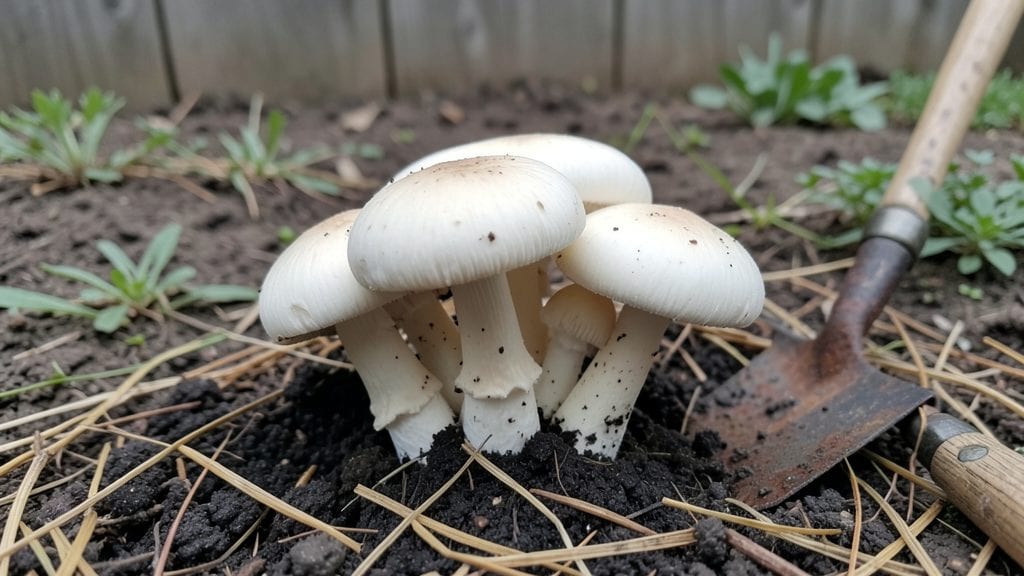
Identifying garden mushrooms can turn a confusing pile of caps and stems into a harvest of morels, chanterelles, or—worse—a dangerous look-alike.
I’ve spent years sorting through my backyard’s fungal surprises, and the difference between a delicious meal and a trip to the emergency room often comes down to just a few key details. The right knowledge keeps you safe while turning your lawn into a foraging goldmine.
Start with the gills: edible mushrooms often have tightly packed, white or pinkish gills, while toxic varieties like the death cap have smooth caps or free-standing gills. Check the stem for rings or volva (a cup-like base)—these features narrow it down fast.
My first mistake? Ignoring the smell: bitter almonds signal danger, while earthy or nutty scents usually mean safe eating. A magnifying glass helps spot tiny pores or scales that distinguish chanterelles from their deadly doppelgängers.
You’ll recognize common edibles by their shapes: morels with honeycomb caps, oyster mushrooms growing in clusters, or lion’s mane with shaggy white tendrils. But when in doubt, treat every mushroom like it’s poisonous until you’ve triple-checked with a field guide or mycology expert.
My 20-variety cheat sheet includes photos, habitat clues, and red-flag warnings—so you can confidently tell a chanterelle from a false chanterelle without second-guessing.
Even experienced foragers sometimes get it wrong, so always cook a small test portion first and watch for reactions. Local mycology clubs or university extension offices often host free workshops—perfect for verifying your finds.
With the right tools, your garden’s mushrooms become a reliable food source, not a mystery with deadly stakes.
Mistakes That Make Mushroom ID Tricky
Even experienced foragers sometimes misidentify garden mushrooms—often because they overlook subtle but critical clues. Understanding why misidentification happens can help you sharpen your skills and avoid dangerous look-alikes. Below are the most common pitfalls, backed by science, and how to sidestep them.
Mushrooms rely on a few diagnostic traits for identification, but these can be easy to overlook or misinterpret. For example:
- Spore Print Color: Many guides emphasize spore prints, but when you take them matters. Spores mature at different rates—some mushrooms release spores within hours of cap opening, while others take days. A hasty print might show the wrong color, leading to false assumptions. Action: Wait at least 12–24 hours after picking for a reliable print.
- Gill Attachment: Whether gills are free, attached, or adnate (merged with the stem) is a key ID clue. However, gills can appear differently based on the mushroom’s age or moisture level. A dry specimen might look "free" when it’s actually adnexed (partially attached). Action: Check gills when the mushroom is fresh and slightly damp.
- Stem Texture: Some edible mushrooms (like Morchella) have hollow stems, while toxic doubles (e.g., Gyromitra) may appear similar but have a different internal structure. A quick longitudinal cut can reveal the truth.
Pro Tip: 💡 Use a hand lens (10x magnification) to inspect fine details like cystidia (specialized gill cells) or cheilocystidia, which can distinguish between edible and deadly species in the Cortinarius genus.
Mushrooms change dramatically over their lifespan. An immature specimen might lack key identifying features, while an overripe one can lose color or texture, making it resemble a different species entirely.
- Cap Shape: Young Amanita mushrooms (like the deadly A. phalloides) start as egg-shaped and only develop their iconic "volva" (cup-like base) as they mature. Picking them too early could miss this critical feature.
- Color Fading: Cantharellus (chanterelles) are bright yellow when fresh but may bleach to pale cream when dried. A faded specimen could be mistaken for a Hygrophorus (waxy cap mushroom), which is edible but less desirable.
- Bruising: Some mushrooms (like Boletus species) bruise blue when cut—a sign of freshness and edibility. Others, like the toxic Lepiota, may darken or spot when handled, mimicking harmless varieties.
Pro Tip: ✨ Always examine multiple specimens from the same patch. If one mushroom in a cluster looks "off," it might be a different species entirely.
Where and when a mushroom grows provides contextual clues that can prevent misidentification. Ignoring these factors is like solving a puzzle with missing pieces.
- Tree Associations: Many edible mushrooms (e.g., Lactarius deliciosus) grow only under specific trees like pine or oak. A Lactarius found near birch might actually be L. helvus, a bitter, inedible relative. Action: Note the host tree and cross-reference with a regional field guide.
- Seasonal Overlap: Some toxic mushrooms (like Cortinarius orellanus) appear in late summer/fall, while edible look-alikes emerge earlier. Harvesting out of season increases risk. Action: Track local mushroom seasons—what’s safe in June may be deadly in September.
- Soil Conditions: Morels thrive in disturbed, alkaline soil after fires or burns, while false morels (Gyromitra) prefer acidic, wooded areas. Mixing up these habitats can lead to deadly mistakes.
Pro Tip: 🌡️ Use a soil pH test kit if foraging in unfamiliar areas. Some toxic species (like Entoloma) favor acidic soils, while others avoid them.
Field guides—even reputable ones—can be region-specific or lack critical details. A guide from the Pacific Northwest might describe a mushroom as "edible," while the same species in the Southeast could be toxic due to local variations.
- Regional Variations: The black morel (Morchella elata) has several look-alikes, some of which are only found in certain states. A guide might lump them together, but local experts know the nuances.
- Missing Toxic Doubles: Some guides omit lesser-known deadly species (e.g., Chlorophyllum rhacodes, the "parasol mushroom") because they’re rare. A quick internet search might not cut it—some toxic mushrooms don’t have reliable photos.
- Language Gaps: Terms like "scaly cap" or "fibrous stem" can be subjective. A guide’s description of Xerocomus as "dry-scaly" might mean nothing to a beginner. Action: Pair guides with local mycology groups or apps like iNaturalist for crowd-sourced verification.
Pro Tip: 🎯 When in doubt, submit photos to a verified mycologist via forums like Shiitake Talk or North American Mycological Association (NAMA) before eating.
By addressing these common pitfalls—immature specimens, habitat neglect, and guide limitations—you’ll dramatically reduce the chance of misidentification. The next step? Grab your checklist and start foraging smarter.
Fixing Common Mushroom Misidentifications
Mistaking wild mushrooms for lookalikes can turn a thrilling foraging adventure into a dangerous gamble. But with the right strategies, you can confidently identify garden mushrooms and avoid costly—or worse, harmful—errors. Below, we break down common pitfalls and their solutions, from quick field checks to long-term prevention.
Many poisonous mushrooms mimic edible varieties, especially in the wild or garden. Here’s how to distinguish them:
🍄 1.
The "Smell Test" Fails: Musty vs. Earthy Aromas Cause: Some edible mushrooms (like Morchella) have a faint, pleasant smell, while toxic doubles (e.g., Gyromitra) emit a foul, chemical, or musty odor. Fix: - Sniff the cap and stem—if it smells like rotten meat, ammonia, or almonds, discard it immediately. - Pro tip: 💡 Use a small piece of mushroom on your palm (not your nose!) to avoid overwhelming your senses.
A faint earthy or nutty scent is usually safe; anything sharp or metallic is a red flag.
🧪 2.
The Spore Print Test Goes Wrong Cause: Some mushrooms (like Amanita) have white spores, but their toxic cousins (e.g., Galerina) also produce white prints, making this test unreliable alone. Fix: - Combine with other tests: Take a spore print and check for gills, stem rings, or bruising. - Quick method: 👨🍳 Place the cap (gills down) on white paper overnight.
Compare the print to a spore print database—but never rely on this alone.
🌡️ 3. Heat reacts badly: some mushrooms turn toxic when cooked
Cause: Certain mushrooms (like False Morels) release toxins when heated, making them deadly even if raw samples seem fine. Fix: - Cook a tiny sample first: 🔥 Simmer a pea-sized piece in water for 10 minutes.
If the water turns red, pink, or foams violently, do not eat it. - Prevention: 🌡️ Avoid consuming any mushroom that hasn’t been thoroughly cooked (at least 20 minutes) unless you’re 100% certain of its safety.
Cause: Slugs, insects, or chemical sprays can damage mushrooms, making them unsafe to eat. Plus, some garden "mushrooms" are actually shelf fungi (inedible) or mold. Fix:
- Inspect for damage: 🔪 Look for holes, discoloration, or slimy textures—these are signs of contamination.
- Grow your own: 🌱 If foraging is risky, cultivate oyster or shiitake mushrooms at home where you control the environment.
Cause: Without a physical guide, misidentifications happen—especially with rare or regional species. Fix:
- Download trusted apps: 📱 Try iNaturalist, PictureThis, or Seek to cross-reference photos with expert databases.
- Double-check with locals: 🗣️ Ask experienced foragers or mycology clubs in your area—they often know hidden clues (like habitat preferences).
Once you’ve nailed identification, keep these habits to stay safe: - 💡 Start with the "Deadly Dozen": Memorize these toxic lookalikes: - Amanita phalloides (Death Cap) - Cortinarius orellanus (Fool’s Webcap) - Gyromitra esculenta (False Morel) - 🌿 Forage in groups: Never go alone—have someone spot-check your finds. - 📅 Time your harvest: Avoid mushrooms after heavy rain (toxic species thrive) or near roadsides (chemical runoff). - 🍽️ When in doubt, throw it out: If you’re unsure, don’t eat it.
Even "probably safe" mushrooms can cause reactions.
With these solutions, you’ll go from guessing to confidently identifying garden mushrooms—and enjoying them without worry. Happy foraging! 🍄✨
Frequently asked questions
How do I tell if a garden mushroom is safe to eat?
Never eat a mushroom unless you're 100% certain of its identity. Look for these red flags: bitter almond smell, white gills on a yellowing cap (like a death cap), or a cup-like base (volva) on the stem. When in doubt, use a field guide or consult a mycologist—some toxic species look identical to edibles until you examine them closely.
What are the most common edible mushrooms found in gardens?
Safe garden finds often include oyster mushrooms (clustered, fan-shaped), shiitake (dark brown caps with a shiny top), and chanterelles (funnel-shaped with forked ridges instead of gills). Morels (honeycomb caps) and lion's mane (white, shaggy) are prized but rarer. Always verify with multiple sources before eating.
Why do some mushrooms change color when cut?
Color changes often indicate freshness or toxicity. Edible boletes (like Boletus edulis) turn blue when sliced—a sign of quality. Toxic species like Lepiota may darken or spot when handled. Always check for bruising or discoloration before identifying a specimen.
Can I use a spore print to identify mushrooms?
Spore prints help narrow it down, but they're not foolproof. Place the cap (gills down) on white paper overnight. White spores might mean Amanita (toxic) or Agaricus (edible)—you still need to check other features. Never rely on a spore print alone for identification.
What should I do if I accidentally eat a poisonous mushroom?
Call poison control immediately (1-800-222-1222 in the U.S.) and seek emergency care. Save a sample of the mushroom if possible. Symptoms like vomiting, diarrhea, or liver failure can appear hours later—don't wait to see if you feel okay. Time is critical with toxic mushrooms.