
Diseases
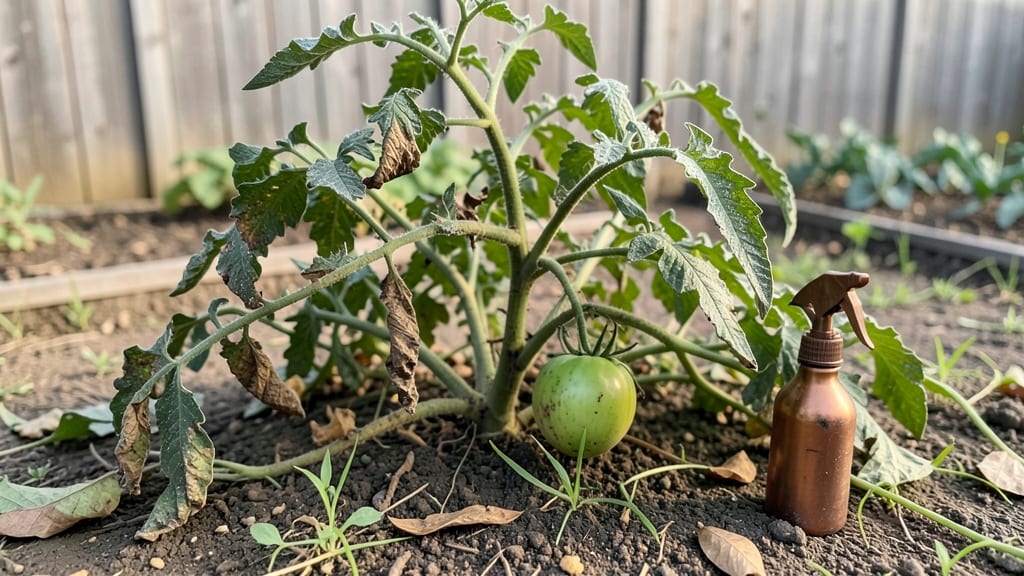
Learn how to remove fungus from garden quickly—because those unsightly spots aren’t just ruining your plants’ looks, they’re draining their life force. 🌱 I’ve fought powdery mildew, rust, and black spot so often that I’ve perfected a 3-step spray system to stop fungal spread in its tracks. tracks, often within hours.
The key? Act fast, use the right mix, and protect your plants before the fungus takes over.
Most gardeners reach for chemical fungicides first, but those can harm beneficial insects and leave residues. Instead, I rely on neem oil, baking soda, and hydrogen peroxide—all of which kill fungus on contact while being safe for most plants.
For stubborn cases, a copper fungicide (used sparingly) is my last resort. The goal isn’t just to clean up the mess but to create an environment where fungus can’t return.
You’ll see results almost immediately: leaves stop yellowing, new growth stays crisp, and the white or orange fuzz disappears within 24-48 hours. The real win? These sprays also prevent future outbreaks when used as a preventive spray every 2-3 weeks during humid seasons.
No more panicking when you spot the first signs—just grab your spray bottle and get to work.
Works for veggies, flowers, and shrubs, but always test sprays on a small area first. Some plants (like tomatoes) handle neem oil better than others. Here’s how to match the right remedy to your garden’s biggest fungal threats—without sacrificing your harvest or the health of your soil.
Root Causes of Garden Fungus
Fungal growth in your garden isn’t just a random annoyance—it’s often a sign that specific conditions are perfectly aligned for spores to thrive. Understanding these triggers is the first step to stopping the problem before it spreads.
Below, we break down the science-backed reasons why fungus invades your plants, so you can address the real issues—not just the symptoms.
🌧️ Excess moisture & poor drainage
Fungi love water. In fact, most garden fungi require high humidity (above 75%) and prolonged moisture to germinate and spread. Here’s why this happens:
- Overwatering or heavy rainfall keeps soil saturated, creating an ideal breeding ground for fungal spores.
- Compacted or clay-heavy soil traps water instead of draining it, leaving roots in a damp, oxygen-poor environment.
- Poor airflow (from dense plantings or thick mulch) prevents evaporation, keeping humidity levels high near foliage.
💡 Pro Tip: If your garden stays wet for more than 24–48 hours, fungi like Phytophthora (root rot) or Botrytis (gray mold) will take advantage.
🌡️ Warm, stagnant conditions
Fungi thrive in moderate warmth (60–85°F / 15–30°C) combined with still air. Here’s how your garden might be accidentally creating this fungal paradise:
- Thick mulch layers (over 4 inches) can smother soil, trapping heat and moisture.
- Shaded or low-lying areas stay cooler and damper longer than sunlit spots.
- Organic debris buildup (like fallen leaves or old plant matter) provides food and shelter for fungal spores.
🔥 Warning: Greenhouses and containers are especially risky—they trap heat and humidity, accelerating fungal growth.
🌱 Weakened or stressed plants
Healthy plants resist fungal attacks, but stress opens the door. Common stressors include:
- Nutrient deficiencies (e.g., low nitrogen or phosphorus) weaken plant cell walls, making them easier targets.
- Physical damage (from hail, pests, or improper pruning) creates entry points for spores.
- Transplant shock disrupts root systems, leaving plants vulnerable to soil-borne fungi like Fusarium or Rhizoctonia.
🎯 Actionable Fix: Strengthen plants with balanced fertilizer, proper spacing, and gentle handling during pruning.
🧬 Contaminated soil or tools
Fungal spores are everywhere—in compost, old mulch, or even on gardening tools. Here’s how they hitch a ride into your garden:
- Reusing infected compost or manure can reintroduce spores (e.g., Pythium in poorly composted material).
- Dirty tools (shovels, pruners) spread fungal spores from plant to plant.
- Wind or water splashing carries spores from infested areas to healthy ones.
✨ Prevention Tip: Sterilize tools with 70% isopropyl alcohol or a 10% bleach solution between uses.
🌿 Crowded or improper planting
Fungi spread faster when plants are too close together, reducing airflow and increasing humidity. Key issues:
- Overplanting blocks sunlight and airflow, creating a damp microclimate.
- Monoculture gardens (planting the same species repeatedly) exhaust soil defenses and encourage fungal specialization.
- Deadheading neglected plants leaves decaying matter that fuels fungal growth.
💡 Solution: Follow spacing guidelines for your plants and practice crop rotation to disrupt fungal cycles.
🌍 Climate & seasonal factors
Some fungi are seasonal, while others exploit specific weather patterns:
- Spring rains after dry winters trigger powdery mildew outbreaks.
- Fall humidity (without frost) allows leaf spot fungi to persist.
- Sudden temperature shifts (e.g., cool nights + warm days) stress plants, making them fungus-prone.
🌡️ Climate Hack: In humid regions, raise beds or use drip irrigation (instead of overhead watering) to reduce fungal risk.
🚫 Chemical imbalances in soil
Soil pH and microbial balance play a huge role. Fungi like:
- Acidic soil (pH < 6.0) favors Erwinia (bacterial soft rot) and some molds.
- Alkaline soil (pH > 7.5) can encourage Verticillium wilt fungi.
- Disrupted soil microbes (from overusing chemicals) reduce natural fungal predators like Trichoderma fungi.
📊 Test & Adjust: Use a soil pH test kit and amend with lime (to raise pH) or sulfur (to lower pH) as needed.
Key Takeaway
Fungal growth isn’t random—it’s a chain reaction triggered by moisture, warmth, stress, and poor garden hygiene. By identifying which factors are at play in your garden, you can target the root cause (not just the symptoms) and keep your plants healthy naturally.
Next, we’ll cover how to disrupt these cycles with fast-acting, organic solutions.
Fixing Fungus Fast: Targeted Solutions
Fungus in your garden doesn’t have to be a persistent nightmare—with the right approach, you can eliminate it quickly and keep it from returning. The key is identifying the root cause and applying a targeted fix.
Below, we break down the most common fungal issues and the best ways to tackle them, plus preventive steps to keep your garden thriving.
🍄 Overwatered Soil or Poor Drainage
Fungus thrives in soggy conditions, so if your plants are sitting in waterlogged soil, it’s time to improve drainage and adjust your watering habits.
How to Fix It:
- 🔥 Improve Soil Aeration
- Mix in compost, perlite, or coarse sand (1 part amendment to 3 parts soil) to break up compacted earth.
- For container gardens, ensure pots have drainage holes and use a well-draining potting mix.
- 👨🍳 Adjust Watering Schedule
- Water deeply but infrequently—aim for 1 inch per week (including rainfall).
- Water in the early morning so foliage dries quickly, reducing humidity around roots.
- ⏰ Raise Beds or Mounds
- If your garden has low spots, consider raising beds or creating small mounds to help water drain away.
💡 Prevention Tips:
- Test your soil’s drainage by digging a small hole, filling it with water, and timing how long it takes to drain. If it’s slower than 4 hours, amend the soil.
- Avoid over-mulching—keep mulch 2–3 inches away from plant stems to prevent moisture buildup.
🌱 Fungal Spots on Leaves (Powdery Mildew, Rust, or Black Spot)
If your plants are developing white powder, orange rust, or dark spots, they’re likely battling a leaf fungus. These spread quickly but can be stopped in their tracks with natural sprays and good airflow.
How to Fix It:
- 🍳 Homemade Fungicide Sprays (Use Within 24 Hours)
- Baking Soda Spray (Best for powdery mildew):
- Mix 1 tsp baking soda + 1 tbsp vegetable oil + 1 tsp mild soap + 1 gallon water. Spray both sides of leaves every 7–10 days.
- Neem Oil Spray (Works on rust and black spot):
- Combine 1 tbsp neem oil + 1 tsp mild soap + 1 quart water. Spray at dusk to avoid harming bees.
- Baking Soda Spray (Best for powdery mildew):
- 🌡️ Boost Air Circulation
- Prune crowded branches and space plants 3–6 inches apart for better airflow.
- Use a fan on low speed near susceptible plants (like tomatoes or roses) to dry leaves faster.
- 🔪 Remove Infected Leaves
- Snip off and dispose of heavily infected leaves (don’t compost them—bag and trash them).
💡 Prevention Tips:
- Water at the base instead of overhead to keep leaves dry.
- Rotate crops annually to prevent fungal buildup in the soil.
- Choose resistant plant varieties (e.g., ‘Blaze’ tomatoes for mildew resistance).
🍅 Root Rot or Stem Fungus (Damping-Off, Fusarium Wilt)
If seedlings collapse suddenly or mature plants show wilting, yellowing, or mushy stems, root or stem fungus may be the culprit. These are trickier but not hopeless—act fast!
How to Fix It:
- 🔪 Remove and Replace Infected Plants
- Dig up affected plants and dispose of them immediately (do not compost).
- Replace with healthy, disease-free plants or seeds.
- 🌡️ Sterilize Soil & Tools
- Solarize soil by covering beds with clear plastic for 4–6 weeks in hot sun to kill fungus.
- Soak garden tools in 1 part bleach to 9 parts water for 10 minutes between uses.
- 🍳 Use Fungal Inhibitors
- Apply hydrogen peroxide (3%) as a soil drench (1 tbsp per gallon of water) to kill pathogens.
- For containers, repot with fresh, sterile potting mix and add mycorrhizal fungi to outcompete bad microbes.
💡 Prevention Tips:
- Avoid overcrowding—space plants properly for airflow.
- Rotate crops and avoid planting susceptible plants (like tomatoes or peppers) in the same spot yearly.
- Test soil pH—most fungi thrive in acidic soil (pH < 6.0). Amend with lime if needed to raise pH to 6.2–6.8.
🍂 Fungal Debris in Mulch or Compost
If your mulch or compost pile is moldy, slimy, or smelly, it’s a breeding ground for fungus. Break the cycle with these steps.
How to Fix It:
- 🔥 Refresh Mulch
- Remove old, fungus-infested mulch and replace with fresh straw, wood chips, or shredded leaves.
- Add a 1-inch layer of diatomaceous earth to deter fungal spores.
- ✨ Revive Compost Piles
- Turn the pile frequently to aerate and speed up decomposition.
- Add more carbon-rich materials (dry leaves, cardboard) to balance excess nitrogen (which fuels fungus).
💡 Prevention Tips:
- Keep mulch 2–3 inches away from plant stems to prevent moisture buildup.
- Avoid using diseased plant material in compost—opt for untreated yard waste instead.
With these targeted fixes, you can reverse fungal damage and protect your garden long-term. The key is acting quickly, improving airflow, and preventing future outbreaks with smart watering and soil care. Your garden will be back to healthy, fungus-free glory in no time! 🌿✨
Frequently asked questions
How do I know if my plants have fungus and not something else?
Look for telltale signs like white powdery coatings (powdery mildew), orange rust spots, or dark, greasy patches on leaves. Fungus often appears as fuzzy growths, yellowing between leaf veins, or wilting stems. Unlike pests, fungal issues usually spread slowly and don’t leave behind tiny holes or webbing in the foliage.
Can I use vinegar to treat fungal infections?
Yes! A 1:8 vinegar-to-water ratio (1 part white vinegar to 8 parts water) sprayed directly on leaves can help kill mild fungal growth. However, avoid overusing it—vinegar can damage plant leaves and alter soil pH over time. Test on a small area first, and apply early in the morning to prevent leaf burn.
Why does fungus keep coming back even after treatment?
Fungus often returns because the root cause (like poor airflow, overwatering, or contaminated soil) hasn’t been addressed. Focus on improving drainage, pruning crowded plants, and sterilizing tools. Preventive sprays like neem oil every 2-3 weeks during humid seasons can also help break the cycle.
Is it safe to compost plants with fungal infections?
No—composting infected plants can spread spores and reintroduce fungus to your garden. Instead, bag and discard heavily infected plant matter in sealed trash bags. For mildly affected leaves, remove them and dispose of them with yard waste to avoid contamination.