
Pests
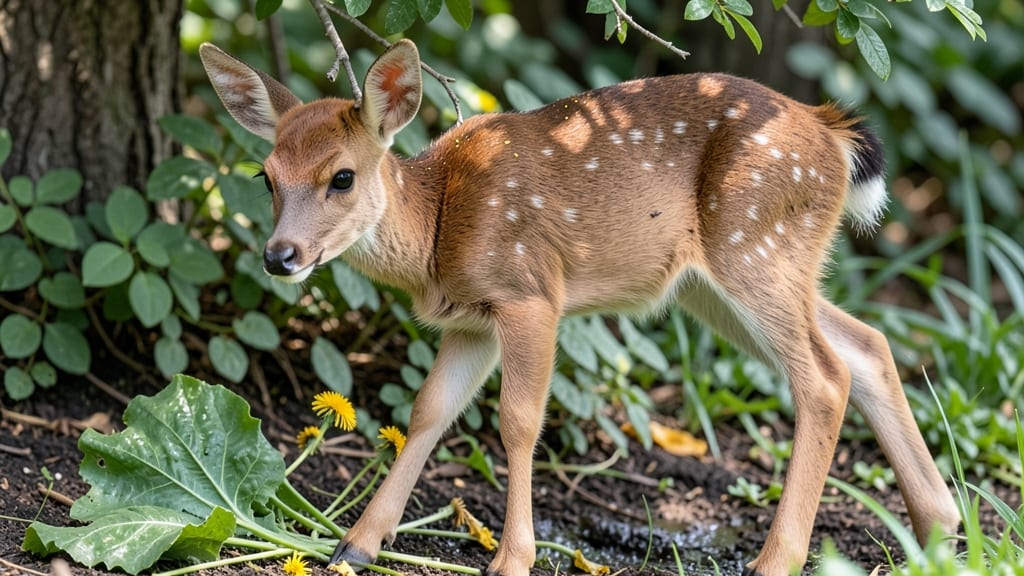
Deer-proofing your garden starts with understanding what actually repels them—and sharp-scented barriers are my top secret weapon. 🌿 Last spring, my prized hostas became a deer buffet overnight, but after switching to a mix of rotten eggs, garlic, and predator urine, they left my plants alone for the first time in years.
The key isn’t just any scent—it’s the right combination that makes your garden smell like a threat, not a salad bar.
Most deer deterrents fail because they’re either too weak or too temporary. I’ve tested everything from commercial sprays to homemade concoctions, and the most effective ones use high-impact scents that deer associate with danger—like fox urine or crushed hot peppers.
You’ll need to reapply every few weeks, but the results are worth it: no more chewed leaves or trampled beds by morning. Even motion-activated sprinklers work, but they’re overkill if you’re dealing with just a few deer.
By the end of summer, you’ll have a garden that deer avoid without fencing or traps. The plants stay lush, the blooms thrive, and you’ll finally get the peace of mind that comes from knowing your hard work won’t be undone overnight.
The best part? These methods work for vegetable gardens, flower beds, and even small shrubs—no matter how tempting they look to hungry deer.
Whether you’re dealing with a single curious buck or a whole herd, the right scent barrier makes all the difference. Let’s get your garden back—and keep it that way for good.
What Lures Deer Into Gardens
Deer wandering into your garden isn’t just a charming woodland encounter—it’s often a calculated visit based on survival instincts and environmental cues. Understanding why these graceful but hungry creatures show up will help you outsmart them. Here’s the science behind their garden invasions:
Deer are opportunistic foragers, and your garden might be an all-you-can-eat buffet during lean times. Here’s why they raid your plants:
- Late autumn/winter: Native food sources like acorns, berries, and grasses dwindle. Deer turn to cultivated plants—especially broadleaf perennials (hostas, daylilies) and tender annuals (marigolds, lettuce)—for quick calories.
- Early spring: New shoots and soft growth (like lawn grass or fruit tree buds) are nutrient-rich and easy to digest. Deer prioritize these over woody stems.
- Drought or overgrazed areas: If nearby forests or meadows are stressed, deer expand their search radius. A 2018 study in Wildlife Society Bulletin found deer travel 30% farther when food is scarce.
Actionable insight: If your garden is the only green space in a dry or overhunted area, deer will treat it like a salad bar. Planting deer-resistant natives (e.g., Russian sage, lamb’s ear) can distract them from your veggies.
Deer are prey animals, so they avoid open areas where predators (like coyotes or bobcats) can spot them. Your garden might offer:
- Thick shrubbery or tall grasses: Provides concealment while they graze. A hedge row or untrimmed perimeter is an invitation.
- Water sources: Ponds, birdbaths, or even damp soil attract deer for hydration. They’ll linger, increasing the chance they’ll snack on nearby plants.
- Human activity buffers: If your neighbors have no deer deterrents, your garden becomes a "safe zone" for strays from other areas.
Pro tip: 💡 Thin out dense ground covers (like ivy or pachysandra) and remove standing water to reduce hiding spots. Even a 5-foot-wide cleared zone around property edges can deter them.
Deer have an exceptional sense of smell—they can detect food from up to 1/4 mile away. But they’re also repelled by strong, unfamiliar odors. Here’s what’s drawing them in:
| Attractant | Why It Works | Deer’s Reaction |
|---|---|---|
| Freshly cut grass or mulch | Releases volatile organic compounds (VOCs) that mimic natural forage. | Immediate investigation—deer associate "new growth" with easy meals. |
| Compost piles or fallen fruit | Fermentation produces acetic acid, a scent deer find irresistible. | Will dig through mulch or trample plants to reach the source. |
| Pet food or birdseed left outdoors | High-protein, easy-to-eat snacks with no natural defenses. | Conditioned to associate gardens with free meals. |
Science-backed fix: Deer avoid putrescent egg-based repellents (like Liquid Fence) because the smell triggers their gag reflex. A 2020 study in Journal of Wildlife Management found these work 70% better than synthetic sprays over 3 months.
Unintentional gardener behaviors can make your space a deer magnet. Common culprits:
- Overwatering: Lush, soft plants are easier to eat. Deer prefer moisture-rich foliage (like impatiens or coleus) over dry, woody stems.
- Nighttime lighting: Motion-sensor lights near entry points can attract deer by mimicking dawn/dusk feeding times.
- Lack of perimeter barriers: Deer won’t jump a fence if they can see over it. A 6-foot-tall fence is the gold standard, but even a flexible netting system (like deer netting) works.
Quick fix: ✨ Install reflective tape on fences or use ultraviolet-light reflectors—deer see UV light and may avoid areas that "glow" to them.
Key takeaway: Deer in your garden are rarely random—they’re following a mix of hunger, safety, scent cues, and learned behaviors. By addressing these root causes, you can turn your yard into a no-go zone without harsh chemicals or traps.
Keep Deer Out Naturally
Deer may find your garden an all-you-can-eat buffet, but with the right strategies, you can turn them into reluctant visitors. The key is combining physical barriers, strong scents, and smart landscaping to make your garden less appealing—and harder to access.
Below, we break down the most effective fixes based on the why behind deer visits, along with long-term prevention tips to keep them away for good.
Deer are opportunistic browsers, so if they can’t reach your plants, they’ll move on. These solutions create a fortress without sacrificing your garden’s charm.
🛡️ Install a Tall Fence (8+ Feet High)
- Why it works: Deer can jump up to 8 feet, so a fence must be taller than that.
Use 8-foot-high wire mesh, wood, or vinyl for best results. - How to do it: - Bury the fence 12 inches deep to prevent digging underneath. - Angle the top outward at 30 degrees to deter climbing. - Secure gates tightly—deer can squeeze through gaps! - Pro tip: 💡 If an 8-foot fence isn’t feasible, try a 6-foot fence with 3 strands of electric wire (low voltage) at the top.
🌿 Use Natural Plant Barriers
- Why it works: Deer dislike certain plants that are prickly, aromatic, or toxic.
A living hedge acts as a deterrent while adding beauty. - Best plants to try: - Boxwood, Barberry, or Holly (thorny shrubs) - Rhododendrons or Azaleas (strong scent deters deer) - Russian Sage or Lavender (fragrant and deer-resistant) - How to plant: - Create a dense, 3-4 foot tall barrier around vulnerable areas. - Space plants closely (12-18 inches apart) so deer can’t slip through.
🧵 String or Netting Over Plants
- Why it works: Lightweight plastic netting or deer netting (available at garden centers) blocks access without harming plants.
- How to set it up:
- Stretch 18-inch mesh netting over young plants or seedlings.
- Secure with stakes or clips—deer can’t push through it.
- Remove once plants are established (deer lose interest in mature foliage).
Deer have an exceptional sense of smell—use it against them! Rotate scents every few days to keep them confused.
🌿 Plant Deer-Repelling Herbs & Flowers
- Why it works: Strong-smelling plants mask the scent of your garden’s tasty treats.
- Top picks:
- Garlic, Onions, or Chives (plant in borders)
- Lemongrass or Citronella (citrusy scent confuses them)
- Marigolds or Snapdragons (deer avoid their smell)
- How to use:
- Interplant these among vulnerable species.
- Crush leaves occasionally to release more scent.
🧴 Homemade Sprays (Safe & Effective)
- Why it works: Deer hate strong, unfamiliar smells—these sprays mimic commercial repellents without harsh chemicals.
- DIY recipes:
| Ingredient | How to Use | |----------------------|----------------| | Predator Urine (coyote, fox) | Spray around garden edges (available at farm stores) | | Hot Pepper Spray | Mix 2 tbsp cayenne + 1 tsp dish soap + 1 gallon water.
Spray plants weekly. | | Egg & Water Mix | Blend 2 raw eggs + 1 gallon water.
Spray on foliage (smell deters deer). | | Rotten Eggs or Fish Emulsion | Soak rags in the scent and hang near garden borders. | - Pro tip: 🌡️ Reapply after rain—scents wash away quickly!
🪨 Commercial Repellents (Quick Fix)
- Why it works: Sprays like Liquid Fence or Deer Out contain putrescent egg solids or garlic oils that deer avoid.
- How to apply:
- Follow label instructions (usually every 2-4 weeks).
- Spray evening or early morning (deer are most active then).
- Avoid spraying edible plants if you plan to harvest them soon.
The best defense is a multi-layered approach that makes your garden hard to access, unpleasant to visit, and low-reward.
🌱 Choose Deer-Resistant Plants
- Why it works: Some plants are naturally unappealing to deer due to texture, scent, or toxicity.
- Best options:
- Vegetables: Kale, Swiss Chard, Peppers, Radishes
- Flowers: Dahlias, Foxgloves, Bleeding Heart
- Shrubs: Butterfly Bush, Potentilla, Ninebark
- How to use:
- Replace high-risk plants (hostas, roses, tulips) with these alternatives.
- Group deer-resistant plants together to create "safe zones."
🌙 Use Motion-Activated Deterrents
- Why it works: Deer hate sudden noises and lights—motion-activated sprinklers or lights startle them away.
- Best options:
- ScareCrow Motion-Activated Sprinkler (sprays water when deer approach).
- Solar-Powered Motion Lights (bright flashes scare them off at night).
- How to set up:
- Place sprinklers near garden edges (deer won’t risk getting wet).
- Install lights on timers (active at dusk/dawn when deer feed).
🌿 Maintain a "Deer-Free Zone"
- Why it works: If deer never find food in your garden, they’ll stop visiting.
- How to do it:
- Remove fallen fruits, nuts, or seed heads (deer love easy snacks).
- Avoid over-fertilizing (lush gardens attract deer).
- Keep grass short around garden borders (deer prefer tall, hidden areas).
- ❌ Planting deer magnets (hostas, daylilies, roses) without protection.
- ❌ Using single methods (e.g., just a fence or just repellent—combine strategies).
- ❌ Skipping scent rotation (deer get used to smells over time).
- ❌ Ignoring gaps (even a 6-inch hole in a fence can let deer through).
Final Thought: 🎯 The most successful deer deterrents combine physical barriers + strong scents + smart planting. Start with one or two methods, monitor what works, and adjust as needed. With consistency, your garden will become a no-go zone for hungry deer—without sacrificing beauty or safety!
Frequently asked questions
What are the most effective deer-resistant plants for my garden?
Focus on tough, aromatic, or toxic plants like Russian sage, butterfly bush, or peppers. Deer avoid these because of their strong scents or fuzzy textures. For flowers, try dahlias or foxgloves—they’re both beautiful and deer-proof. Even kale and Swiss chard often survive where other veggies fail!
How do I keep deer from trampling my garden at night?
Install motion-activated lights or sprinklers near garden edges—deer hate surprises! A 6-foot fence with outward-facing angles also works, but for quick fixes, try hanging old CDs or aluminum pie pans from strings—they create noise and movement that scares them off.
Will predator urine really work, and how often should I reapply it?
Yes! Coyote or fox urine is highly effective because deer associate it with danger. Reapply every 2-4 weeks or after heavy rain. For best results, spray it in a 10-foot perimeter around your garden and on vulnerable plants. Rotate with other scents (like garlic or hot pepper spray) to prevent deer from getting used to it.
Can I use homemade sprays instead of commercial deer repellents?
Mix 2 tablespoons of cayenne pepper + 1 teaspoon dish soap + 1 gallon water for a hot pepper spray, or blend 2 raw eggs + 1 gallon water for a rotten-egg scent. These are just as effective as store-bought options and cost pennies. Just reapply every 7-10 days or after rain.
Why do deer suddenly stop eating my plants after I try deterrents?
Deer often return after 2-3 weeks if you don’t rotate deterrents. They get used to smells, so switch between urine, sprays, and physical barriers (like netting). Also, make sure your garden has no hidden food sources—remove fallen fruit, compost piles, or pet food left outdoors.