
Pests and Diseases
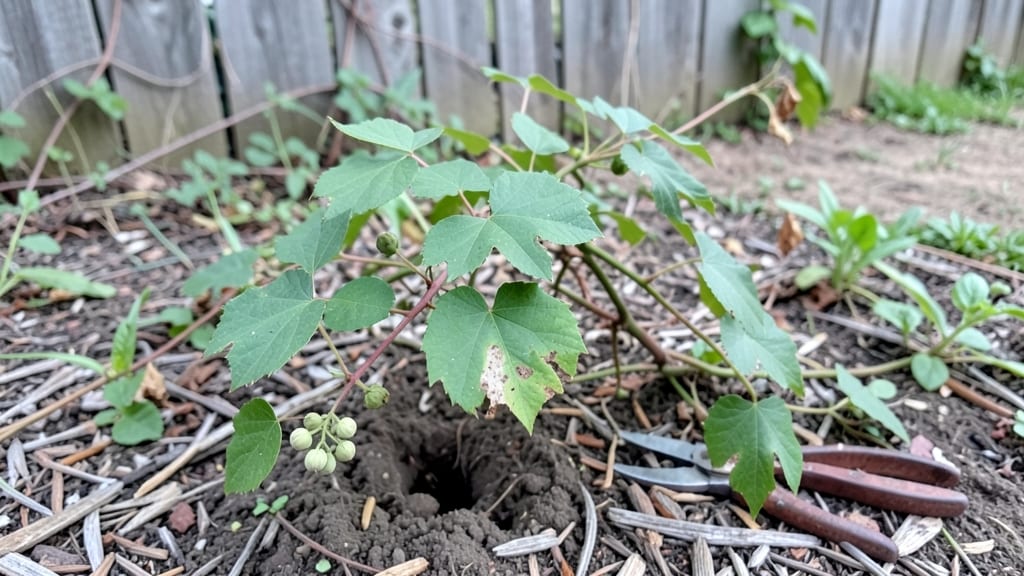
Getting rid of poison ivy in your garden starts with the right approach—because what works fast depends on whether you're dealing with a small patch or an overgrown jungle.
I've battled this stubborn vine for years, and I've learned that the key is combining immediate removal with long-term prevention to keep it from creeping back. The good news? You don't need harsh chemicals to win this fight—just the right tools and timing.
First, tackle the visible vines by cutting them at the base with gloves, long sleeves, and protective eyewear. A sharp pair of loppers or pruners makes this job 50% faster than pulling by hand, especially for thick stems.
After cutting, smother the roots with thick cardboard or black plastic to block sunlight, which poison ivy can't survive without. For stubborn patches, a mix of vinegar and dish soap (sprayed directly on the leaves) speeds up the dying process—just reapply every few days until the plant withers completely.
What you'll end up with is a garden free of that itchy menace within just a few weeks, not months. The area will look cleaner, safer, and ready for new plants that actually welcome gardeners.
Plus, you'll avoid the dreaded rash that comes with skin contact—because nobody wants to scratch while they're supposed to be enjoying their yard. Here's how to make sure it stays gone for good.
For long-term success, replace poison ivy with dense ground covers like clover, creeping thyme, or ornamental grasses that crowd out weeds and vines naturally. These alternatives thrive in the same conditions but won’t send you running for calamine lotion.
The trade-off? A garden that’s not just poison-free, but actively beautiful and low-maintenance.
Root Causes Of Garden Poison Ivy
Poison ivy (Toxicodendron radicans) thrives in gardens because it’s a resilient, opportunistic plant—meaning it takes advantage of ideal conditions to spread aggressively. Understanding why it invades your outdoor space is the first step to reclaiming it.
Below, we break down the key factors that turn your garden into a poison ivy hotspot, complete with scientific explanations and actionable insights.
🌱 Overgrown or neglected garden spaces
Poison ivy loves uncompetitive environments—areas where native plants, grasses, or ground covers are weak or absent. Here’s why:
- Light availability: Poison ivy is a heliophyte, meaning it thrives in full sun to partial shade. If your garden has patches where sunlight hits the soil directly (e.g., after removing dense shrubs or trees), the plant seizes the opportunity to germinate and grow rapidly.
- Soil disturbance: Digging, tilling, or even foot traffic can expose buried rhizomes (underground stems) or roots, triggering new shoots. A single disturbed root can produce thousands of new plants within a season.
- Lack of ground cover: Poison ivy outcompetes slow-growing plants like clover or moss because it grows up to 30 feet per year via vines or spreading roots. If your garden has bare soil, it’s an open invitation.
Actionable fix: Plant dense ground covers (e.g., creeping thyme, ajuga, or pachysandra) or mulch heavily to block sunlight from reaching the soil.
💧 Excess moisture or poor drainage
Poison ivy is a mesophyte, meaning it prefers moderate moisture levels but can tolerate both wet and dry conditions—unlike many garden plants. Here’s how water plays a role:
- Waterlogged soil: In areas with poor drainage (e.g., low-lying spots or clay-heavy soil), poison ivy’s roots thrive because they don’t need oxygen-rich conditions like vegetables or flowers. It can even grow in standing water for short periods.
- Irrigation overspray: If your sprinkler system or hose water lands on rhizomes near the surface, it can stimulate growth. Poison ivy roots are highly sensitive to moisture and will send up new shoots within days.
- Shady, damp corners: Poison ivy often invades wooded edges or under decks because it tolerates humidity and low light better than many competitors.
Actionable fix:
- Improve drainage with gravel or sand amendments in problem areas.
- Avoid overwatering—stick to deep, infrequent watering to discourage shallow root growth.
- Install drip irrigation to target plants (not soil) and reduce accidental moisture for rhizomes.
🌿 Spread through human activity
Poison ivy doesn’t just grow—it hitchhikes. Humans accidentally transport it via:
- Contaminated tools or shoes: Even tiny root fragments on a shovel or boot sole can take root when moved to a new spot. Poison ivy’s roots are viable for years in dormant states.
- Firewood or mulch: Stacking firewood near your garden or using untreated mulch from infested areas can introduce seeds or rhizomes.
- Pet paws or wildlife: Dogs, deer, and even birds can carry seeds or plant debris on fur or feathers, dropping them in your yard.
- Landscaping debris: Leaving pruned vines or leaf litter near your garden gives poison ivy a second chance to regrow.
Actionable fix:
- Disinfect tools with a 10% bleach solution or rubbing alcohol after use.
- Wear gloves and long sleeves when gardening near infested areas.
- Bag and compost only certified disease-free mulch.
🌳 Shade from trees or structures
While poison ivy tolerates sun, it prefers partial shade in many regions, especially in hot climates. Here’s why it clings to shaded spots:
- Competition avoidance: In full sun, fast-growing weeds or grasses often outcompete poison ivy. But in dappled shade (e.g., under fruit trees or near fences), it faces less competition and grows unchecked.
- Humidity retention: Shaded areas stay moist longer, creating ideal conditions for its rhizomatous spread.
- Structural support: Poison ivy uses trees, fences, and trellises as scaffolding to climb higher, making it harder to reach with herbicides or manual removal.
Actionable fix:
- Prune trees to increase sunlight in problem areas (but avoid creating bare soil patches).
- Install barrier fabrics (like landscape fabric) under vines to block regrowth.
- Plant shade-tolerant competitors like hostas or ferns to outcompete poison ivy.
Pro tip: 🔍 Identify poison ivy early by its "leaves of three, let it be" rule—and its reddish stems in spring. The sooner you act, the easier it is to remove before it becomes a garden takeover!
Quick Fixes for Poison Ivy
Removing poison ivy from your garden isn’t just about eliminating the plant—it’s about stopping its spread and preventing it from returning. Below, we’ll tackle the most common causes of poison ivy infestations and provide practical, step-by-step solutions to reclaim your green space.
Whether it’s creeping along fences, sprouting in flower beds, or taking over your yard, these methods will help you banish it for good—naturally and effectively.
🌿 When It’s Creeping Along Fences or Structures
Poison ivy loves to latch onto wooden fences, sheds, or trellises, making it hard to pull out by hand. If you spot it clinging to surfaces, act fast before it spreads further.
🔥 Step 1: Identify and Isolate the Problem
Before you start, confirm it’s poison ivy (remember: "Leaves of three, let it be!"). Wear long sleeves, gloves, and goggles—even dead plants can trigger a rash. Use a plastic bag or tarp to gather clippings for disposal.
🍳 Step 2: Smother or Cut It Down
- For small patches: Use sharp pruners or shears to cut the vines at the base. Be thorough—even a tiny root can regrow.
- For large infestations: Apply a thick layer of cardboard or mulch over the area to block sunlight and suffocate the plant. Secure it with rocks or landscape fabric.
👨🍳 Step 3: Remove the Roots
Dig out the roots at least 6 inches deep with a shovel or garden fork. Check for any remaining rhizomes (underground stems) and pull them up. Pro tip: Soak the area with vinegar (50% water, 50% white vinegar) to kill lingering roots.
⏰ Step 4: Prevent Regrowth
- Seal surfaces: If poison ivy grew on wood or metal, scrub the area with soapy water and a stiff brush, then apply vinegar or rubbing alcohol to kill any remaining oils.
- Monitor for sprouts: Check the area weekly for new growth—poison ivy can resprout from tiny fragments.
🌱 When It’s Popping Up in Flower Beds or Lawns
Poison ivy thrives in disturbed soil, often sneaking in after gardening or landscaping. If you’ve got it lurking in your flower beds, here’s how to erase it without harming your plants.
🔪 Step 1: Hand-Pull Young Plants
- Best time to act: Early spring or fall when the soil is soft.
- How to pull: Use a garden fork or trowel to loosen the soil, then grip the plant as close to the base as possible and pull upward. Don’t leave roots behind!
🌡️ Step 2: Use Natural Herbicides
If pulling isn’t enough, try these safe, chemical-free options:
- Salt and vinegar spray: Mix 1 gallon of water, 1 cup of salt, and 1 cup of vinegar in a spray bottle. Apply directly to the leaves (avoid desirable plants—this is corrosive!).
- Dish soap solution: Combine 1 gallon of water, 1 tbsp of dish soap, and a few drops of horticultural oil. Spray on a sunny day to burn the leaves.
- Boiling water: Pour boiling water directly over the roots (great for small, isolated patches).
🎯 Step 3: Replace with Competitive Plants
Poison ivy struggles to grow where other plants outcompete it for space and sunlight. Plant dense ground covers like:
- Clover (natural weed suppressor)
- Creeping thyme (drought-resistant and fragrant)
- Hostas or ferns (shade-tolerant and fast-spreading)
🌳 When It’s Climbing Trees or Shrubs
If poison ivy has wrapped itself around your trees or shrubs, manual removal is key—but do it carefully to avoid damaging your plants.
✨ Step 1: Trim the Vines Gently
- Use pruning shears to cut the vines at least 6 inches from the base of the tree or shrub.
- Avoid tearing the bark—this can harm your plants and leave behind poison ivy fragments.
💡 Step 2: Apply a Barrier
- Wrap the base of the tree trunk with landscape fabric or metal flashing to prevent new vines from climbing up.
- For shrubs, mulch heavily around the base to smother any regrowth.
🔥 Step 3: Solarize the Soil (For Stubborn Cases)
If poison ivy keeps coming back near trees, try solarization:
- Water the area thoroughly.
- Lay clear plastic sheeting over the soil (secure with rocks).
- Leave it for 4–6 weeks in hot sun to kill roots and seeds.
🛡️ Prevention Tips to Keep It Away for Good
Once you’ve banished poison ivy, stop it from returning with these long-term strategies:
- Remove debris: Clear fallen leaves, branches, and weeds where poison ivy seeds can hide.
- Inspect plants: Check new plants before bringing them home—poison ivy often hitches a ride on nursery stock.
- Maintain healthy soil: A thick layer of mulch (3–4 inches) and regular mowing make it harder for poison ivy to take root.
- Teach pets and kids: Train them to avoid scratching or disturbing suspicious plants in the yard.
- Check your tools: Clean gardening tools with rubbing alcohol after use to prevent spreading seeds.
Final Note: Patience is key—poison ivy removal can take weeks or even months, depending on the size of the infestation. But with consistent effort and these natural methods, you’ll have a poison ivy-free garden in no time! 🌱💚
Frequently asked questions
How do I safely remove poison ivy without spreading the urushiol oil?
Always wear long sleeves, gloves, and goggles to avoid skin contact. Use pruners or shears to cut vines at the base, then immediately place clippings in a sealed plastic bag. Wash tools with rubbing alcohol afterward to prevent oil transfer. Never burn poison ivy—this releases irritants into the air.
Will vinegar alone kill poison ivy roots completely?
A 50/50 vinegar-water mix works well for leaves but may need repeated applications to penetrate deep roots. For stubborn patches, combine it with boiling water poured directly over the roots. Remember, vinegar kills all plants—avoid spraying near desirable vegetation.
How can I prevent poison ivy from returning after removal?
Replace it with dense ground covers like creeping thyme or clover that outcompete weeds. Install landscape fabric barriers under mulch to block sunlight, and regularly inspect for new sprouts. Clean gardening tools with bleach solution to prevent accidental spread.
Is it safe to use household items like salt or dish soap?
Yes! A 1:1 vinegar-water mix with salt creates a corrosive spray for leaves, while dish soap disrupts cell membranes. However, these can harm nearby plants—always test on a small area first. Boiling water works for isolated root zones but may kill grass.
How long until I can safely replant after removing poison ivy?
Wait at least 2-3 months to ensure all roots are dead. Monitor for new growth, then prepare the soil with compost before planting. Avoid replanting immediately, as residual oils can harm new seedlings. Patience prevents reinfestation!