
Tools
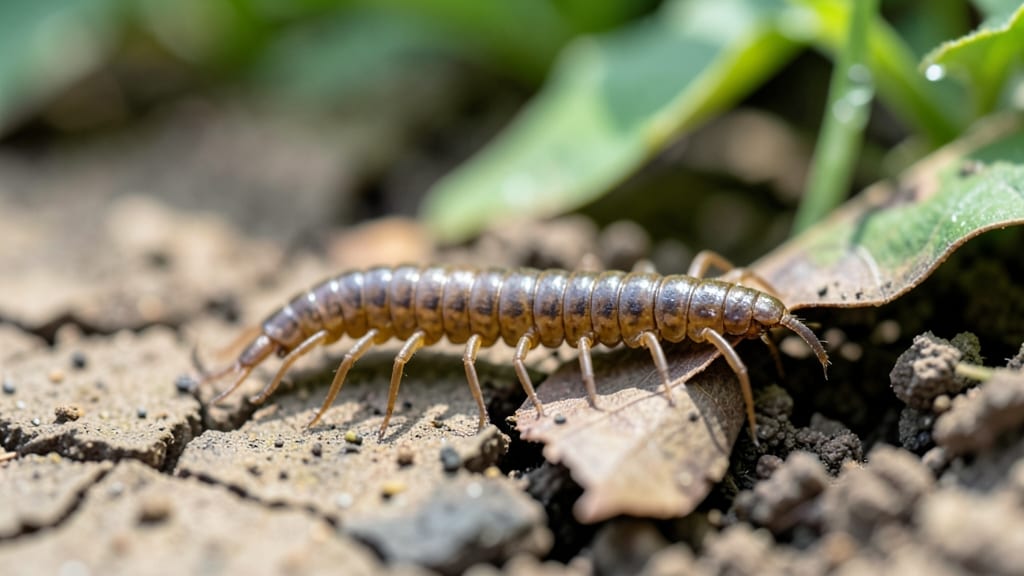
Centipedes in your garden aren’t just creepy crawlers—they’re nature’s pest police, but they can become a nuisance when their numbers explode. 🌿 I used to shiver every time I spotted one, but now I see them as a sign my garden’s ecosystem is working.
The problem? Too many centipedes mean something’s off—maybe your soil’s too damp or you’ve got hidden pests attracting them.
Here’s the thing—centipedes don’t hurt plants directly, but their presence often means slugs, snails, or insect larvae are feasting unseen. The real fix isn’t killing them; it’s adjusting your garden’s balance.
Start by checking moisture levels (they love dampness) and removing debris where pests hide. A few simple tweaks can send their numbers plummeting without harming beneficial bugs.
You’ll notice the difference within a few weeks: fewer centipedes patrolling at night, healthier soil, and plants that thrive without chemical interference. The key is working with nature, not against it. Think of it as a nighttime cleanup crew—just keep their population in check so they don’t overstay their welcome.
This works for any garden, from vegetable beds to flower borders, and it’s especially effective in humid climates where centipedes thrive. No harsh sprays needed—just smarter habits. Let’s get your garden back in harmony!
What Draws Them Into Gardens
Centipedes might seem like creepy-crawly intruders, but their presence in your garden isn’t random—it’s usually a response to specific conditions. Understanding why these multi-legged hunters show up helps you address the root causes and keep them at bay.
Here’s a breakdown of the key factors attracting them to your outdoor space:
Centipedes thrive in damp environments because their exoskeletons don’t allow for efficient water retention like insects’.
If your garden has: - Overwatered or poorly drained soil (they seek humidity near the surface). - Piles of leaves, mulch, or compost (decaying matter attracts their prey and provides shelter). - Wooden debris or bark (a favorite hiding spot for centipedes and their food sources, like slugs and beetles).
Actionable fix: Improve drainage with sand or gravel, and remove excess organic buildup. If you compost, keep it away from garden beds—centipedes will migrate toward it.
Centipedes are predatory hunters, and their presence often signals an overpopulated food source.
Common garden pests they feast on include: - Slugs and snails (their favorite snack—centipedes track their slime trails). - Earthworms, beetles, and spiders (easy prey in loose soil). - Rotting fruits or vegetables (attracts insects, which in turn draws centipedes).
Actionable fix: Reduce prey populations with natural predators (like nematodes for slugs) or physical barriers (copper tape for slugs). Keep fruit waste cleared to avoid unintentional buffets.
Centipedes are nocturnal and avoid bright light. If your garden is:
- Lit at night (outdoor lights attract insects, which centipedes follow).
- Adjacent to wooded areas (they migrate from natural habitats seeking food).
- Near stone walls or dense vegetation (provides cover for hunting).
Actionable fix: Use warm-toned or motion-sensor lights to minimize insect attraction. Trim back overgrown areas to reduce hiding spots.
Centipedes are more active during:
- Warm, humid nights (ideal for hunting).
- Spring and fall (when soil moisture is high and prey is abundant).
- After rain (they emerge to hunt softened ground-dwelling insects).
Actionable fix: Monitor centipede activity seasonally and adjust watering schedules to avoid creating a centipede paradise. Mulch sparingly in dry climates to retain moisture only where needed.
Sometimes, our own gardening practices accidentally create centipede-friendly zones:
- Using thick, undisturbed mulch (centipedes burrow beneath it).
- Storing firewood or lumber near the garden (they nest in crevices).
- Leaving pet food or fallen fruit (attracts insects, which centipedes prey on).
Actionable fix: Store firewood elevated and away from plants, and keep outdoor eating areas clean. Avoid over-mulching—opt for thin layers (1–2 inches) to deter burrowing.
Pro Tip: 🔍 Spot-check your garden at dusk with a flashlight. If you see centipedes near specific hotspots (like under pots or near water sources), those are the areas to target first for prevention.
Natural Ways to Outsmart Garden Invaders
Centipedes may seem like unwelcome guests, but with the right approach, you can reclaim your garden without harsh chemicals. The key is to address their presence based on the root cause—whether it’s moisture, shelter, or food—and implement targeted fixes.
Below, we’ll break down solutions by common triggers, along with prevention tips to keep your garden centipede-free long-term.
Centipedes thrive in damp, humid environments, so reducing excess moisture is your first line of defense.
Fix:
- 🌱 Improve Drainage: Amend soil with organic matter like compost or sand to help water drain faster. Avoid overwatering plants, especially in shaded or low-lying areas.
- ☀️ Increase Sunlight: Trim back dense foliage or overgrown plants to allow more sunlight to reach the soil, naturally reducing humidity.
- 🧹 Clear Debris: Remove leaf litter, mulch piles, and rotting wood from garden beds—these act as moisture traps and centipede hideouts.
Prevention Tip: 💡 Use gravel or pebbles in flower beds to create a dry barrier that centipedes avoid.
Centipedes love hiding under rocks, logs, or dense mulch. Disrupt their cozy spots to discourage them from staying.
Fix:
- 🧹 Declutter Regularly: Rake up leaf litter, turn over rocks, and store firewood away from garden edges. Keep mulch thin (2–3 inches) and avoid piling it against structures.
- 🪟 Seal Entry Points: Check for gaps in garden furniture, sheds, or patio slabs where centipedes might crawl inside. Use caulk or weather stripping to close small openings.
- 🌿 Prune Strategically: Trim plants touching your home or deck to eliminate bridges for centipedes to travel indoors.
Prevention Tip: ✨ Place copper tape (a natural repellent) around garden beds or patio edges—centipedes dislike its static charge!
Centipedes feast on insects, slugs, and decaying matter. Starve them out by eliminating their food sources.
Fix:
- 🐜 Control Pest Populations: Use traps or natural predators (like nematodes or ladybugs) to reduce slugs, snails, and other insects that centipedes hunt.
- 🌿 Choose Resistant Plants: Opt for drought-tolerant or aromatic plants (e.g., lavender, rosemary, or marigolds), which centipedes tend to avoid.
- 🗑️ Clean Up Organic Debris: Pick up fallen fruit, rotting veggies, and compost piles promptly—these attract centipedes and their prey.
Prevention Tip: 🌡️ Sprinkle diatomaceous earth (food-grade) lightly in problem areas. It dehydrates centipedes on contact but is safe for plants.
Centipedes may surge after rain or during hot, dry spells. Adjust your garden’s microclimate to make it less inviting.
Fix:
- 💦 After Heavy Rain: Water plants in the morning so soil dries faster. Avoid evening watering, which prolongs moisture.
- 🔥 In Dry Heat: Use drip irrigation or soaker hoses to keep soil evenly moist without creating puddles.
- 🌿 Windbreaks: Plant tall grasses or shrubs on windy sides of your garden to reduce humidity fluctuations that attract centipedes.
Prevention Tip: 🎯 Install a small fan on a low setting near garden entry points (like patios) to create a gentle breeze—centipedes dislike open, airy spaces.
If centipedes persist, use non-toxic traps or repellents to catch or deter them.
Fix:
- 🍎 Apple Cider Vinegar Trap: Mix equal parts vinegar and water in a shallow dish. The scent attracts centipedes, who drown in the liquid. Replace every few days.
- 🌿 Essential Oil Spray: Combine water, a few drops of peppermint or citrus oil, and a teaspoon of dish soap. Spray along garden borders (reapply after rain).
- 🕷️ Natural Predators: Encourage birds, spiders, or ground beetles, which prey on centipedes. Install birdhouses or bat boxes to boost their numbers.
Prevention Tip: 🔥 Place a few drops of citrus oil on cotton balls and tuck them into garden crevices—centipedes hate the smell!
Remember: Consistency is key. Combine these fixes with regular garden maintenance, and you’ll create an environment centipedes won’t want to stick around in. Happy gardening!
Frequently asked questions
Are centipedes harmful to my garden plants?
Centipedes are actually beneficial predators—they hunt pests like slugs, snails, and beetles that damage plants. The issue isn't their presence, but their numbers. Too many centipedes often means hidden pests are thriving in your soil. Focus on balancing their population by improving drainage and reducing organic debris.
Why do centipedes come out at night?
Centipedes are nocturnal because they avoid light and heat. They hunt under cover of darkness when their prey (like slugs and insects) is most active. If you're seeing them at night, check for moisture-rich areas or mulch piles near your garden beds—they're drawn to these damp hiding spots.
What’s the best natural way to reduce centipedes?
Start with simple fixes: improve soil drainage, remove leaf litter, and keep mulch thin (2-3 inches). For stubborn infestations, try diatomaceous earth (food-grade) or apple cider vinegar traps. Avoid pesticides—they can harm beneficial insects that keep centipede populations naturally balanced.
Will centipedes bite humans?
Centipede bites are rare but possible—they deliver a venomous sting if provoked (like when stepped on). While painful, their venom isn't dangerous to healthy adults. To prevent bites, wear gloves when gardening at night or in damp areas where centipedes hide. Most species prefer to flee rather than fight.
Can centipedes live indoors?
Yes, they can migrate inside through gaps in doors, windows, or foundation cracks—especially if your garden is damp. Seal entry points with caulk, and reduce outdoor moisture to discourage them. Keep indoor spaces dry and well-ventilated to make your home less inviting for these pests.