Companion Plants
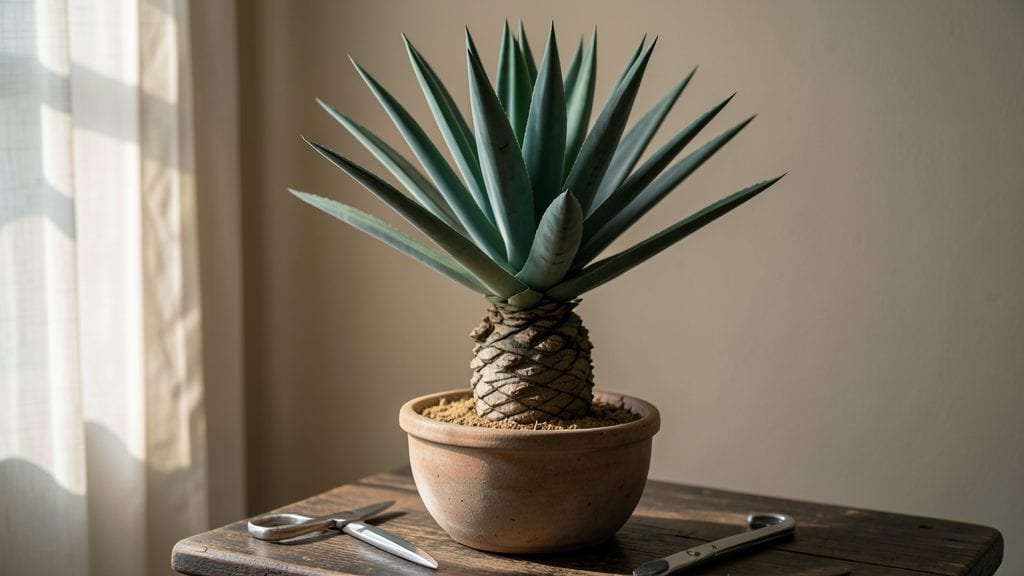
Yucca plants deliver year-round structure with almost no effort—once established, they thrive on neglect while adding striking architectural interest to any landscape. 🌿 I’ve grown them in everything from arid desert gardens to urban courtyards, and their drought-proof resilience makes them a game-changer for low-maintenance spaces.
The key lies in mimicking their native conditions: full sun, well-draining soil, and minimal watering once roots take hold.
Start with a 6-inch-deep hole twice as wide as the root ball, then plant in late spring or early fall when temperatures are mild. Yuccas demand full sun (at least six hours daily) and sandy, gritty soil—amend heavy clay with coarse sand or gravel to prevent root rot.
Water deeply after planting, then let the soil dry completely before watering again; overwatering is the fastest way to kill these tough plants.
Once settled, yuccas reward you with sharp, sword-like foliage that adds texture and height to borders, containers, or as standalone focal points. Prune only to remove dead fronds or spent flower stalks—never cut more than a third of the plant at once.
Their fragrant summer blooms attract pollinators, and deer and rabbits typically leave them alone, making them a wildlife-friendly choice.
For advanced gardeners, propagate by dividing offsets in spring or try forcing blooms with a controlled drought in late winter. Whether you’re a beginner or a seasoned pro, yuccas deliver foolproof structure with minimal fuss—perfect for modern landscapes where beauty meets practicality.
📚 In This Guide
- What you need
- Instructions
- Tips and common mistakes
- Wrapping up and next steps
What you need
- ● Yucca plants: 1–3 mature plants (choose Yucca filamentosa or Yucca rostrata for best drought tolerance)
- ● Well-draining soil: 5–10 cubic feet (mix 60% native soil + 40% coarse sand or gravel)
- ● Sunlight: Full sun (6+ hours/day)
- ● Watering can or hose: With a gentle spray nozzle (avoid overhead watering)
- ○ Gloves (optional but recommended): Yucca leaves can be sharp!
- ● Mulch: 2–3 inches of gravel or pebbles (preserves moisture while allowing drainage)
- ● Fertilizer: Low-nitrogen, slow-release granular fertilizer (apply sparingly, 2–3 times/year)
- ● Pruners: Sharp, clean bypass pruners (for trimming dead foliage)
- ● Plant markers: To label varieties if growing multiple types
Step-by-Step guide to planting and establishing yucca plants
Here's how to get these drought-resistant beauties thriving in your landscape with minimal fuss.
🌱 Step 1: Choose the Right Planting Site and Prepare the Soil
Yucca plants thrive in full sun, so select a location that receives at least 6-8 hours of direct sunlight daily. They tolerate poor soil but grow best in well-draining, sandy loam with a slightly alkaline pH. Before planting, loosen the soil to a depth of 12-18 inches using a garden fork—this prevents root restriction and improves water drainage.
If your soil is heavy clay, mix in 2-3 inches of coarse sand or perlite into the top 12 inches of soil to create better aeration. Yucca roots are shallow but spread aggressively, so avoid planting near structures or hardscapes where roots could cause damage. The ideal spacing between plants is 3-5 feet, giving them room to mature without competing for nutrients.
🪴 Step 2: Plant Yucca Correctly for Long-Term Stability
Dig a hole twice as wide as the root ball but only as deep as the top of the root system. Yucca plants are sensitive to being planted too deep, which can lead to rot. Gently remove the plant from its container and place it in the hole, ensuring the base of the plant sits just above soil level. This positioning prevents water from pooling around the crown.
Backfill the hole with native soil, pressing lightly to eliminate air pockets but avoiding compaction. Water deeply to settle the soil around the roots, then let the soil dry completely before watering again. Mulching with 2-3 inches of gravel or coarse bark around the base helps retain moisture while preventing soil-borne diseases. Avoid organic mulch like wood chips, which can retain too much moisture and cause rot.
☀️ Step 3: Water and Fertilize for Strong Establishment
Yucca plants are drought-tolerant once established, but they need regular watering for the first year to encourage strong root growth. Water deeply once a week during the first growing season, allowing the soil to dry completely between waterings. Overwatering is the most common mistake—yucca roots rot easily in soggy conditions. You’ll know the plant is getting enough water when the soil feels dry 2-3 inches below the surface.
Fertilize lightly once in early spring with a balanced, slow-release fertilizer (10-10-10) applied at half the recommended rate. Yucca plants are not heavy feeders, so over-fertilizing leads to weak, leggy growth. After the first year, reduce fertilization to once every 2-3 years or when you notice slow growth. The goal is to encourage strong, sturdy stems rather than rapid, floppy expansion.
✂️ Step 4: Prune and Maintain for Year-Round Structure
Yucca plants require minimal pruning, but removing dead or damaged leaves keeps them looking sharp. Use clean, sharp pruners to trim back any brown or yellowed foliage at the base of the plant. Avoid cutting into healthy green tissue, as yucca leaves don’t regrow easily. If a flower stalk becomes unsightly after blooming, cut it back to the base with a single, clean snip.
In colder climates, yucca plants may suffer damage from frost. If temperatures drop below 20°F, protect mature plants by wrapping the base with burlap or frost cloth during winter. Young plants should be moved to a sheltered location or covered with mulch or straw to insulate the roots. Yucca plants are incredibly resilient, but a little winter care ensures they bounce back strong in spring.
⏰ Step 5: Monitor and Adjust for Long-Term Success
Watch for signs of stress, such as yellowing leaves or wilting, which usually indicate overwatering or poor drainage. If you notice these symptoms, reduce watering immediately and check that the soil is well-draining. Yucca plants also attract pests like yucca moths or scale insects—treat infestations early with neem oil or insecticidal soap to prevent spread.
After 3-5 years, yucca plants may need dividing if they’ve outgrown their space. Dig up the clump in early spring, separate the offsets with a clean knife, and replant them immediately. This rejuvenates the parent plant and gives you additional specimens for your garden. With proper care, your yucca plants will provide year-round structure, texture, and drought-proof beauty for decades.
Tips & tricks for perfect yucca plant establishment
A few key strategies will help your yucca plants thrive for decades without the guesswork.
Soil Preparation Secret: In Step 1, when loosening soil to 12-18 inches, focus on breaking up any compacted layers—yucca roots need this depth to establish properly. If your soil is heavy clay, mix in 2-3 inches of coarse sand or perlite only into the top 12 inches to prevent disrupting the natural drainage deeper down. This creates the perfect balance of aeration without overwhelming the plant's root system.
Planting Depth Matters: The instructions emphasize planting with the base just above soil level, and this is critical. I've seen too many yucca plants struggle because they were buried too deep—water pools around the crown, causing rot. Use a reference point: the base of the plant should sit at the same level it did in its container. A slight mound of soil around the edges helps direct water away from the crown.
Watering Wisdom: Those first-year waterings in Step 3 are crucial, but timing is everything. Water deeply once a week only when the soil feels dry 2-3 inches below the surface. I recommend using a moisture meter for accuracy—yucca roots rot quickly in soggy conditions. The key is letting the soil dry completely between waterings; this mimics their natural desert environment and prevents overwatering.
Winter Protection Strategy: When temperatures drop below 20°F in Step 4, don't just throw on any old cover. Use burlap or frost cloth for mature plants—they allow airflow while providing protection. For young plants, create a mini greenhouse effect by placing a clear plastic dome over them (like a large plastic bottle with the bottom cut off). This traps heat while still letting light through, giving your yucca the best chance to survive winter.
Pro Tips for Garden Yucca Plants
- A few key strategies will help your yucca plants thrive for decades without the guesswork.
- Soil Preparation Secret: In Step 1, when loosening soil to 12-18 inches, focus on breaking up any compacted layers—yucca roots need this depth to establish properly.
- Planting Depth Matters: The instructions emphasize planting with the base just above soil level, and this is critical.
Frequently asked questions
Got questions about growing garden yucca plants? You’re not alone! Here are answers to the most common queries to help you cultivate these drought-resistant beauties with ease.
How do I know if my yucca plant is healthy?
A thriving yucca has sturdy, upright stems with glossy, sword-like leaves. Watch for yellowing or mushy leaves (overwatering) or brown, crispy tips (underwatering or sunburn). Roots should be white and firm—never rotten or squishy!
Can yucca survive winter in cold climates?
Most yucca varieties (like Yucca gloriosa or Yucca filamentosa) tolerate light frosts down to 10–15°F. In colder zones (<10°F), mulch the base with straw or burlap and cover with frost cloth if needed. Evergreen varieties may lose leaves but regrow in spring!
What’s the best alternative if my ycca isn’t thriving?
If your yucca struggles with poor drainage or heavy clay soil, try these drought-tolerant swaps:
Pro tip: All need well-draining soil—amend with sand or gravel if yours is heavy!
Why are bugs eating my yucca leaves?
Common culprits include yucca moths (they pollinate—leave them be!) and sap-sucking insects like mealybugs or scale. Blast off pests with a soapy water spray (1 tsp mild soap + 1 quart water) or introduce ladybugs for natural control. Severly infested leaves can be pruned.
How long does it take for a yucca to mature?
Yucca grows slow to moderate—expect 1–3 inches of growth per year. Smaller varieties (like Yucca rostrata) may take 3–5 years to reach full height (3–5 ft), while larger types (like Yucca elephantipes) can take 5–10 years to hit 10+ feet. Patience pays off!
Wrapping up and next steps
Garden yucca plants are the ultimate low-maintenance heroes for any landscape—offering striking structure, drought resistance, and year-round beauty with minimal effort. Whether you’re a seasoned gardener or just starting, these hardy perennials deliver serious impact with their bold foliage and architectural charm.
Ready to elevate your outdoor space? Plant one (or three!) this season and watch your garden transform into a resilient, stylish oasis. 🌵✨
Next Steps:
- 🌱 Pick your spot: Sun-drenched areas with well-draining soil are key!
- 🛒 Grab supplies: Check your local nursery for yucca varieties and companion plants.
- 📅 Schedule your planting: Spring or fall is ideal for happy, thriving growth.