Landscaping
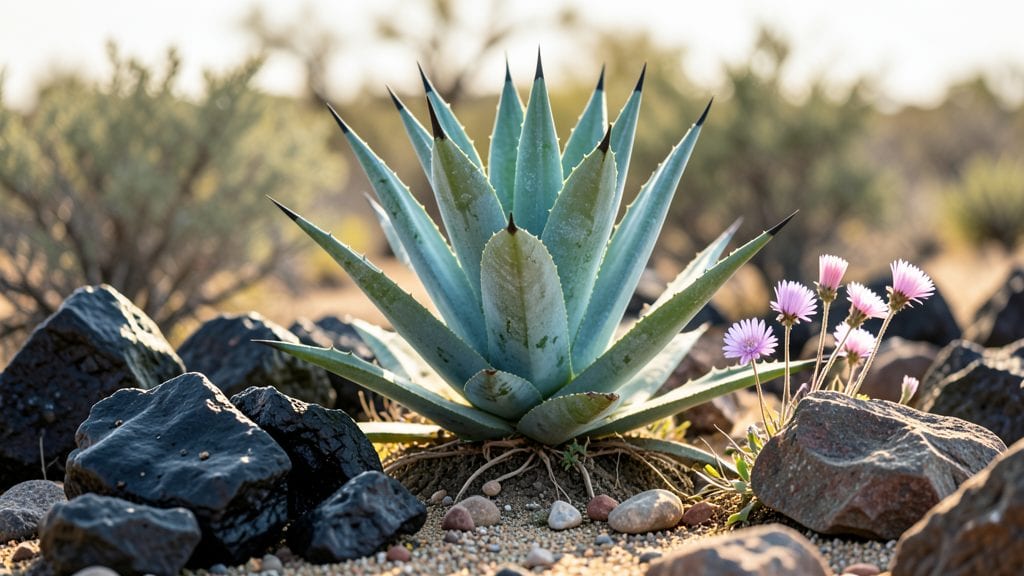
Creating a lava rock garden transforms your outdoor space into a striking desert oasis that thrives under the sun. 🌵 The volcanic rocks reflect heat while adding dramatic texture, making them perfect for modern or xeriscape designs where water conservation matters.
My first lava rock garden became the focal point of my backyard—its sleek, earthy tones instantly elevated the space without needing constant upkeep.
The beauty of lava rock lies in its versatility. Use it as a ground cover to reduce evaporation, line pathways for a clean, minimalist look, or build striking borders around planting beds.
Pair it with drought-tolerant succulents, ornamental grasses, or even bold cacti for a landscape that feels both wild and intentional. The rocks also help regulate soil temperature, creating ideal conditions for heat-loving plants.
You’ll end up with a landscape that stays cool to the touch, resists weeds, and requires far less water than traditional gardens. The visual impact is immediate—think sun-kissed textures, sharp contrasts, and a sense of effortless elegance.
Plus, the rocks age beautifully, developing a patina that only enhances their natural appeal over time.
Works equally well in full sun or partial shade, making it adaptable to almost any climate. Whether you’re revamping a small patio or designing a large backyard, lava rock brings desert-inspired drama with minimal maintenance. Ready to create your own sun-soaked sanctuary?
📚 In This Guide
- What you need
- Instructions
- Tips and common mistakes
- Wrapping up and next steps
What you need
- ● Lava rock: 1–2 tons (depending on garden size; 1–2 inches in diameter for best drainage and aesthetics). Tip: Choose volcanic basalt for durability!
- ● Landscape fabric: 1 roll (3–4 feet wide, heavy-duty to prevent weeds).
- ○ Gravel (optional but recommended): ½ ton (¼-inch crushed granite for base layer).
- ● Native desert plants: 3–5 drought-resistant species (e.g., agave, yucca, or cacti).
- ● Wheelbarrow (for hauling rocks and soil).
- ● Shovel & rake (for leveling and spreading materials).
- ● Tamper or plate compactor (to stabilize layers).
- ● Measuring tape & string line (for marking layout).
- ● Safety gear: Gloves, goggles, and knee pads (lava rock is sharp!).
- ● Edging stones (to define borders neatly).
- ● Mulch or decomposed granite (for pathways or plant beds).
- ● Drip irrigation kit (to conserve water efficiently).
- ● Outdoor lighting (solar-powered for a magical nighttime glow!).
Step-by-Step instructions for creating a lava rock garden
Transform your yard into a striking desert oasis with this heat-resistant, low-maintenance design.
🪴 Step 1: Prepare the Base Layer for Proper Drainage
Start by clearing the area of any grass, weeds, or debris—lava rock gardens thrive on minimal soil. Lay down a 4-inch thick layer of coarse gravel as your foundation. This isn’t just for looks; it ensures water drains away from plant roots, preventing rot in hot climates. Use a rake to level it evenly, creating a smooth surface for the lava rock to rest on.
Here’s the thing—skipping this step leads to soggy soil that suffocates roots. Press the gravel down lightly with a tamper or board to compact it just enough to prevent shifting later. If your area has clay soil, add a 2-inch layer of sand between the gravel and lava rock to further improve drainage.
💧 Step 2: Add and Level the Lava Rock
Spread the lava rock evenly across the prepared base, aiming for a 2-3 inch depth for pathways or 4-6 inches for larger garden beds. I like to work in small sections—about 2 feet by 2 feet at a time
Don’t just dump and walk away—level the rocks as you go. Uneven layers create tripping hazards and look sloppy. Tap the rake handle gently on any high spots to settle them, and fill gaps with smaller rocks or sand. For a polished finish, run a stiff broom over the surface to align the edges uniformly. Plant drought-tolerant succulents, cacti, or ornamental grasses in pre-dug holes spaced 12-18 inches apart. The lava rock’s heat-retaining properties mean these plants will thrive without extra water. Water each hole deeply before placing the plant, then backfill with native soil mixed with compost to encourage root establishment. Here’s where it gets fun—sprinkle a thin layer of fine gravel or decomposed granite around the base of each plant to blend the greenery with the rocky landscape. Avoid piling mulch directly against stems; instead, create a 2-inch wide ring around each plant to wick moisture away from the roots and prevent fungal growth. Once established, lava rock gardens require almost no upkeep. Water deeply but infrequently—every 2-3 weeks during dry spells—to encourage deep root growth. Weeds struggle to take hold in the rocky surface, but pull any that appear immediately. A quick sweep with a push broom keeps the area looking sharp without disturbing the plants. Real talk: the rocks will shift slightly over time, especially in high-traffic areas. Refresh the surface annually by adding new lava rock to fill any gaps or low spots. This ensures your garden stays visually striking and functional for years. For extra longevity, apply a light coat of polyurethane sealant every few years to preserve the rocks’ natural color.☀️ Step 3: Incorporate Plants and Mulch Strategically
✂️ Step 4: Maintain with Minimal Effort
Tips & tricks for perfect lava rock gardens
A few strategic moves will turn your lava rock garden from good to stunning—here's how to nail the details that make all the difference.
Drainage is Non-Negotiable: In Step 1, that 4-inch gravel layer isn't just decoration—it's the secret to preventing waterlogged soil that suffocates roots. If your area has clay soil, take the extra 10 minutes to add that 2-inch sand layer between gravel and lava rock. I learned this the hard way after watching succulents rot in compacted clay. The rocks will stay cooler and plants will thrive with proper drainage.
The Rock Layering Technique: When spreading lava rock in Step 2, work in those 2x2 foot sections to maintain control. I use a wheelbarrow to distribute rocks quickly, but the real magic happens when you rake them into place. Tap the rake handle on high spots to settle them—this creates that professional, even look that makes all the difference. Don't skip the final broom pass; it aligns edges and eliminates that "just dumped" appearance.
Plant Placement Precision: The 12-18 inch spacing in Step 3 isn't arbitrary—it accounts for mature plant sizes while allowing airflow. For cacti, I like to dig holes slightly deeper than the root ball and add a handful of compost to the bottom. This gives them a head start in establishing roots. The 2-inch gravel ring around each plant isn't just decorative; it creates that critical air gap that prevents fungal issues.
Long-Term Maintenance Secret: That annual refresh mentioned in Step 4 is your best friend. Set a calendar reminder to check your garden once a year—fill gaps with fresh lava rock and sweep the surface. I've seen gardens where rocks have settled unevenly after just 6 months, creating tripping hazards. A quick annual maintenance keeps everything looking pristine and functional for decades.
Pro Tips for Lava Rock Gardens
- A few strategic moves will turn your lava rock garden from good to stunning—here's how to nail the details that make all the difference.
- Drainage is Non-Negotiable: In Step 1, that 4-inch gravel layer isn't just decoration—it's the secret to preventing waterlogged soil that suffocates roots.
- The Rock Layering Technique: When spreading lava rock in Step 2, work in those 2x2 foot sections to maintain control.
Frequently asked questions
Got questions about creating or maintaining a lava rock garden? You’re not alone—this unique landscaping style sparks curiosity! Here are answers to the most common queries to help you design with confidence.
How long does it take to install a lava rock garden?
A small DIY lava rock garden (like a raised bed or pathway) can take 1–3 days for a weekend warrior, while larger projects may require 1–2 weeks depending on labor and design complexity. Prepping the base (weed barrier, gravel) is the most time-consuming step—plan ahead!
Do lava rock gardens need irrigation?
Yes! While lava rock retains heat and reduces evaporation, plants still need water. Use drip irrigation or soaker hoses buried under the rocks to deliver moisture directly to roots. Mulch (like bark) around plants helps retain moisture longer. Pro tip: Water early in the morning to minimize evaporation.
What plants thrive in lava rock gardens?
Opt for drought-tolerant, heat-loving plants like succulents (agave, sedum), cacti (prickly pear, barrel cactus), ornamental grasses (blue fescue), and desert shrubs (yarrow, lavender). Avoid moisture-loving plants—they’ll struggle in the rocky, well-draining environment.
Can I install lava rock over grass or weeds?
Not without prep! Lava rock gardens need a clean, weed-free base. Remove grass/weeds, lay landscape fabric, then add a 2–4 inch gravel layer before adding rocks. Skipping this step leads to weeds popping up through the rocks—annoying and unsightly!
Are lava rock gardens expensive to maintain?
Initial costs vary, but maintenance is low-cost! Lava rock lasts decades with minimal upkeep. Budget for occasional weed pulling, $50–$100/year on irrigation, and replanting as needed. Bonus: They reduce water bills by up to 50% compared to traditional gardens!
Will lava rock freeze in winter?
Nope! Lava rock absorbs and radiates heat during the day, but it won’t crack or freeze in winter. However, plants in the garden may need winter protection (mulch or frost cloth) in cold climates. The rocks themselves are freeze-thaw resistant—perfect for year-round use!
Wrapping up and next steps
Lava rock gardens aren’t just about aesthetics—they’re a practical, low-maintenance, and heat-resistant solution for desert-inspired landscaping. Whether you’re battling extreme temperatures, drought conditions, or simply craving a sleek, modern look, these gardens deliver durability and style.
With the right materials and a little creativity, you can transform your outdoor space into a stunning, resilient oasis.
Ready to get started? Sketch your design, gather your supplies, and dive in! Your future lava rock garden is waiting—just a few rocks and a vision away. 🌵✨