
Tools
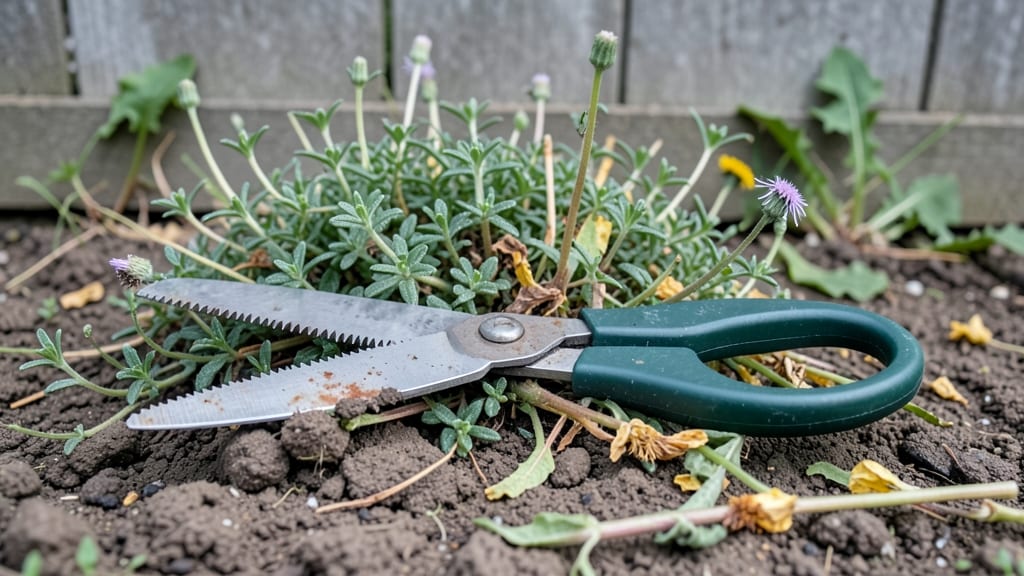
Garden scissors called pruning shears, hand pruners, or secateurs come in bypass, anvil, and ratchet designs, each suited for specific cutting tasks and plant types.
These tools go by many names depending on the region and specific function. 🌿 For example, what Americans call "hand pruners" might be known as "secateurs" in the UK or "podadoras" in Spanish-speaking countries.
The design differences matter too—bypass blades create cleaner cuts for live wood, while anvil blades handle thicker, dead branches with more force. Many gardeners swear by ratchet pruners for repetitive tasks, as they reduce hand fatigue significantly.
When selecting your next pair, consider the blade material first: carbon steel offers sharpness but requires maintenance, while stainless steel resists rust but may dull faster. Ergonomic handles can make all the difference during long gardening sessions, especially if you're working with larger plants.
I always recommend testing a few types before committing, as the right tool can transform your pruning experience from frustrating to effortless.
💡 In This Article
- Understanding Pruning Shears Types and Functions
- Choosing the Right Hand Pruners for Your Garden
Understanding pruning shears types and functions
At the heart of every pruning shear lies its blade mechanism, and the two most common designs—bypass and anvil—work in fundamentally different ways. Bypass blades feature two sharp, curved edges that slide past each other like scissors, creating a clean cut that seals the plant's vascular system instantly.
This precision makes them ideal for live wood, where you want to minimize damage and promote faster healing. The cutting action requires about 30-50 pounds of force depending on the size, but the clean separation prevents tearing that can invite disease.
Anvil blades, on the other hand, have one sharp blade that crushes against a flat, solid surface. This design delivers more force (60-100 pounds for heavy-duty models) and is perfect for cutting dead, dry branches or thick stems that won't splinter.
However, the crushing action can crush and tear live tissue, which is why they're rarely recommended for pruning healthy plants. The trade-off? Anvil blades excel at handling branches up to 3/4-inch thick, while bypass blades typically max out around 1/2-inch for most consumer models.
Here's what's actually happening when you use each type: Bypass blades create a V-shaped cut that maintains the plant's natural structure, while anvil blades produce a crushed edge that can expose internal tissues to pathogens.
For example, when pruning a rosemary bush, bypass shears will leave a clean cut that heals quickly, whereas anvil shears might leave a jagged edge that could rot if moisture gets trapped. This is why professional arborists almost exclusively use bypass pruners for living plants.
The material science behind these blades also plays a crucial role. Bypass blades often use high-carbon steel for their razor-sharp edges, while anvil blades may incorporate hardened steel for the flat surface to withstand repeated crushing. Stainless steel versions resist corrosion but may require more frequent sharpening.
For instance, a carbon steel bypass blade might stay sharp for 100-200 cuts before needing maintenance, while a stainless steel anvil blade could last 500+ cuts before dulling noticeably. 💫
Consider the sensory experience: Bypass shears offer a satisfying, crisp cut with minimal resistance, while anvil shears provide a more deliberate, forceful action. The difference becomes especially noticeable when working with succulents or citrus trees, where the clean cut of bypass shears prevents the plant from oozing sap excessively.
For dead branches like those on a lemon tree, an anvil blade will handle the task with ease, while a bypass might struggle and require more effort.
What most people don't realize is how the blade angle affects cutting efficiency. Bypass blades typically have a 15-20 degree angle, which allows them to cut through branches at a slight curve, reducing the chance of pinching.
Anvil blades, with their flat surface at 0 degrees, require perfect alignment to avoid uneven cuts. This geometric difference explains why bypass shears are often preferred for detailed pruning work, like shaping topiary plants, where precision matters most.