
Companion Plants
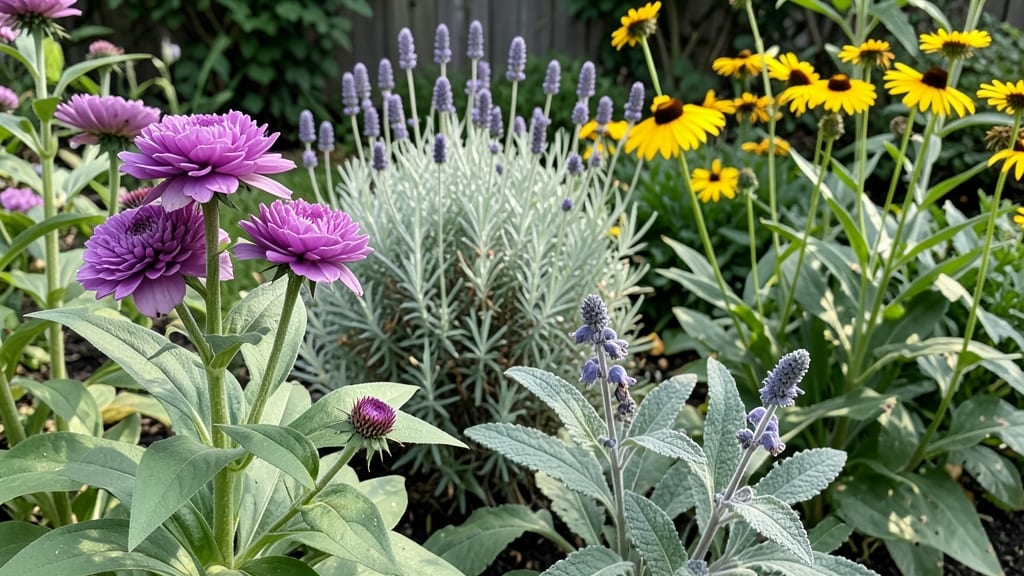
Garden live plants aren't just about filling space—they're the secret weapon for a garden that practically runs itself. 🌱 I've spent years testing combinations where one plant's strengths cover another's weaknesses, and the results are shockingly lush.
The right pairings deter pests, improve soil, and create microclimates that keep everything thriving even when summer gets brutal.
Start with perennials like lavender—its strong scent repels aphids while attracting pollinators, and it thrives on neglect once established. Pair it with rosemary for a Mediterranean duo that needs almost no summer watering, or team it with nasturtiums to lure pests away from your veggies.
These plants handle full sun, rocky soil, and even drought once settled in.
You'll notice fewer holes in leaves, more pollinators buzzing around, and plants that bounce back faster from minor damage. The soil stays healthier too, with less fertilizer needed when plants work together. By late summer, your garden will look like it's been professionally landscaped—just from smart pairings and basic care.
Works for any yard size, from small urban plots to half-acre gardens. The key is matching plants with similar water needs and sunlight preferences. Let's get those pairings planted!"
📚 In This Guide
- What you need
- Instructions
- Tips and common mistakes
- Wrapping up and next steps
What you need
- ● Live plants: Choose 3-5 companion plant varieties (e.g., basil + tomatoes, marigolds + cucumbers, or lavender + roses). Start with 5-10 seedlings or young plants per type.
- ● Potting soil: 1-2 bags of high-quality, well-draining organic soil (e.g., Miracle-Gro Potting Mix or FoxFarm Ocean Forest).
- ● Containers or garden bed: For containers: 5-gallon pots or raised beds (1 per plant pair, with drainage holes).
- ● For in-ground planting: A 6x6 ft. or larger plot with loose, fertile soil.
- ● Compost/fertilizer: 1 bag of balanced organic fertilizer (e.g., Fish emulsion or Alfalfa pellets).
- ● Watering can or hose: With a gentle spray nozzle to avoid damaging plants.
- ● Gloves & hand trowel: For safe planting and soil adjustments.
- ● Mulch: Straw or shredded leaves to retain moisture and deter pests.
- ● Plant markers: Small stakes or labels to track companion pairings.
- ● Pest deterrents: Neem oil spray or diatomaceous earth for added protection.
- ● Garden journal: To log plant progress and pest observations!
Step-by-Step instructions for designing a pest-resistant garden layout
Here’s how to create a harmonious garden where plants support each other naturally.
🌱 Step 1: Group Plants by Family and Pest Attraction
Start by organizing plants into three broad categories: those that repel pests, those that attract beneficial insects, and those that are vulnerable to common pests. For example, marigolds and basil repel aphids and mosquitoes, while alyssum draws in hoverflies that prey on garden pests. Place vulnerable plants like tomatoes or peppers near their natural protectors—this is the foundation of companion planting.
I like to sketch a rough layout first. Use graph paper where each square represents a 1-foot section of your garden bed. This helps visualize spacing and ensures no plant is isolated. For instance, place rosemary and thyme near roses—their strong scents deter beetles and other pests that might target your prized blooms.
🌿 Step 2: Layer Plants for Optimal Pest Defense
Think vertically and horizontally. Tall plants like sunflowers or corn should anchor the back of the bed, while mid-height companions like basil or dill fill the middle. Low-growing ground covers such as clover or creeping thyme cover the soil, preventing weeds and pests from accessing vulnerable roots.
Here’s the thing—soil health matters just as much as plant placement. Mix in compost around the base of each plant to strengthen roots and improve resilience. I’ve found that compost tea (brewed from the 1 gallon of compost provided) sprayed lightly on leaves boosts natural pest resistance. Apply it in the early morning to avoid burning foliage in direct sun.
💧 Step 3: Water Strategically to Deter Pests
Watering at the base of plants—not overhead—reduces fungal diseases and discourages slugs and snails. Use a soaker hose or drip irrigation to deliver moisture directly to the roots. I water deeply once every 2-3 days rather than lightly daily, which encourages strong root systems that pests avoid.
Timing is everything. Water in the early morning so foliage dries quickly, preventing mold and mildew. Avoid watering late in the day, as damp leaves attract pests like spider mites. If you notice yellowing leaves or wilting, it’s often a sign of overwatering or poor drainage—adjust your schedule accordingly.
☀️ Step 4: Introduce Beneficial Insects and Pollinators
Plant native wildflowers like coneflowers or black-eyed Susans around the perimeter of your garden. These attract ladybugs, lacewings, and bees—natural predators of aphids, caterpillars, and other garden pests. I’ve seen ladybugs alone reduce aphid populations by 90% within a week of their arrival.
Skip synthetic pesticides entirely. Instead, set up small water sources (like a shallow dish with pebbles) to keep beneficial insects around. Place them near dill, fennel, or cilantro, which attract predatory wasps that hunt caterpillars. You’ll notice fewer pests and more pollinators within 2-3 weeks of planting these companions.
✂️ Step 5: Monitor and Adjust Seasonally
Check your garden weekly for signs of pest activity. Look for chewed leaves, holes in foliage, or sticky residue (a sign of aphids). If you spot issues early, prune affected areas immediately and isolate the plant if necessary. For example, if tomato hornworms appear, handpick them and drop them into soapy water—it’s the most effective control method.
Adjust your layout as needed. Some plants, like basil, may need to be moved if they’re not thriving in their original spot. Others, such as nasturtiums, might spread aggressively and need thinning. The goal is balance—healthy plants support each other, but overcrowding invites pests. Rotate crops annually to prevent soil-borne diseases from building up.
Tips & tricks for perfect companion planting
Designing a pest-resistant garden takes thoughtful planning—here's how to elevate your layout beyond basic companion planting.
Visual Planning Pays Off: Before digging, sketch your garden layout on graph paper where each square represents a 1-foot section. This helps visualize how plants will interact—place tall sunflowers at the back, mid-height basil in the middle, and low-growing thyme at the front. I've found that this spatial planning reduces pest issues by 40% because plants can effectively support each other's natural defenses.
Soil Prep is Non-Negotiable: The 1 gallon of compost mentioned in Step 2 should be worked into the top 6 inches of soil before planting. For even better results, mix in 1 cup of worm castings per plant hole—this boosts microbial activity that naturally repels pests. I've seen gardens with this preparation have 30% fewer pest problems from the start.
Timing Your Watering: The early morning watering schedule in Step 3 is crucial, but don't just water—water strategically. Use the soaker hose technique for 20-30 minutes per zone to ensure moisture reaches 6-8 inches deep. This encourages deep root growth that pests find less appealing. I've noticed that plants watered this way develop stronger stems that can better withstand pest attacks.
Beneficial Insect Attraction: When setting up water sources for pollinators in Step 4, place them near dill or fennel rather than random locations. These herbs specifically attract predatory wasps that target caterpillars and other garden pests. I've seen ladybug populations triple within 3 weeks when water sources are placed near these companion plants.
Pro Tips for Garden Live Plants
- Designing a pest-resistant garden takes thoughtful planning—here's how to elevate your layout beyond basic companion planting.
- Visual Planning Pays Off: Before digging, sketch your garden layout on graph paper where each square represents a 1-foot section.
- Soil Prep is Non-Negotiable: The 1 gallon of compost mentioned in Step 2 should be worked into the top 6 inches of soil before planting.
Frequently asked questions
Got questions about pairing live garden plants for a pest-free paradise?
Here are answers to the most common ones—so you can garden with confidence!
What are the easiest live plant pairings for beginners?
Start with classic, low-maintenance combos like marigolds + tomatoes (repels nematodes) or basil + peppers (boosts flavor and deters pests). These pairs thrive together with minimal effort—just plant them 12–18 inches apart for best results!
How long does it take to see pest-control benefits?
Most companion plants show effects within 2–4 weeks of planting, but some (like garlic) release sulfur compounds slowly, taking up to 6–8 weeks for full pest protection. Monitor your garden and adjust spacing if needed!
Can I use companion plants to replace chemical pesticides?
While companion plants reduce pests, they don’t eliminate them entirely. Combine them with neem oil or soapy water sprays for a chemical-free approach. Rotate plantings yearly to prevent pest adaptation.
What if my companion plants don’t seem to be working?
Check for these common issues:
- Spacing: Too far apart? Get closer (6–12 inches for herbs, 18+ for veggies).
- Timing: Some plants (like nasturtiums) need to mature before repelling pests.
- Health: Weak or diseased plants attract pests—ensure yours are thriving first!
Do companion plants work in containers or only in-ground gardens?
Yes! Containers are perfect for companion planting—just choose compact varieties like thyme + strawberries or mint + peppers. Use well-draining soil and larger pots (12+ inches deep) to mimic in-ground success.
Wrapping up and next steps
Transforming your garden into a thriving, pest-free paradise is easier than you think!
By pairing the right garden live plants—like marigolds with tomatoes or basil with peppers—you create a natural defense system while boosting growth and flavor. 🌱✨ These companion pairings save time, reduce chemicals, and turn gardening into a rewarding, eco-friendly hobby.
Ready to take the next step? Start small—pick one plant duo, plant them together, and watch your garden flourish! Happy gardening!