
Tools
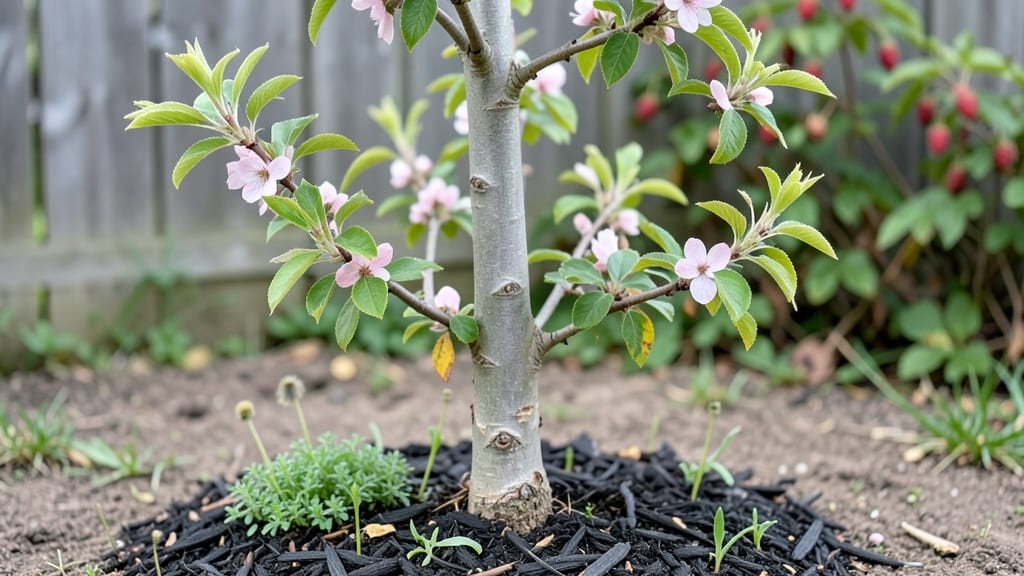
A peach tree garden transforms your backyard into a sun-dappled retreat with fragrant blossoms and blushing fruit. 🌿 I planted mine five years ago after seeing how quickly they grow into privacy screens—now my patio stays cool in summer while the branches heavy with peaches create a living shade canopy.
The key isn't just the trees themselves but how you arrange them with companion plants and pathways to make the whole space feel intentional.
Start with dwarf varieties for small spaces or standard trees if you have room for their mature spread. Plant them 15-20 feet apart in well-draining soil, and pair them with shade-tolerant perennials like lavender or ornamental grasses at their feet.
The dappled light creates natural layers that look stunning in any season—think spring blossoms, summer shade, and autumn's fiery foliage before the fruit arrives.
You'll end up with a garden that works as hard as it looks: the trees provide year-round privacy, the shade cools your outdoor space, and the fruit rewards your efforts. The rustic orchard vibe works for cottage-style gardens, while modern fruit gardens can incorporate clean lines and contemporary companion plants.
Even the bark and branches add texture that changes with each season.
Works equally well as a standalone feature or integrated into larger landscapes. The biggest mistake? Crowding trees too close—give them space to grow into their full privacy potential. Let's design yours to be both beautiful and functional.
📚 In This Guide
- What you need
- Instructions
- Tips and common mistakes
- Wrapping up and next steps
What you need
- ● Peach tree saplings: 3–5 disease-resistant varieties (e.g., Elberta, Redhaven, or J.H. Hale), spaced 15–20 ft apart.
- ● Well-draining soil: 5–10 cubic yards of a mix of topsoil, compost, and sand (60:30:10 ratio).
- ● Organic mulch: 2–3 inches of wood chips or straw to retain moisture and suppress weeds.
- ● Tree stakes & ties: 4–6 stakes (2 ft long) and soft fabric ties per tree for support.
- ○ Drip irrigation system: 50–100 ft of tubing, emitters, and a timer (optional but recommended).
- ● Fertilizer: Slow-release 10-10-10 or organic options like composted manure (1 lb per tree).
- ● Shovel & spade: For digging holes (18–24" wide/deep).
- ● Pruning shears: Sharp, clean pair for trimming branches.
- ● Wheelbarrow: For hauling soil and mulch.
- ● Level & measuring tape: To ensure proper spacing and alignment.
- ● Gloves & safety glasses: Protection for hands and eyes.
- ● Tree guards: Wire mesh to protect young trees from critters.
- ● Soil pH test kit: To check acidity (ideal: 6.0–6.5).
- ● Post-hole digger: For planting stakes deeper.
- ● Pest control: Neem oil or copper spray for aphids/borers.
How to design a thriving peach tree privacy garden
Here's the straightforward approach I've used to create beautiful, functional peach tree privacy screens that thrive year after year.
🌱 Step 1: Select and Prepare the Planting Site
Choose a location with full sun exposure (6-8 hours daily) and protection from strong winds. Peach trees need space—plan for 15-20 feet between trees for mature canopy spread. Test your soil pH (ideal range: 6.0-7.0), and amend with compost if needed to improve drainage.
Dig planting holes twice as wide as the root ball but no deeper. Loosen the sides of the hole with a shovel to encourage root growth into surrounding soil. I always add a 2-inch layer of gravel at the bottom to prevent waterlogging—peach trees hate soggy roots.
🪴 Step 2: Plant Bare-Root Trees at the Right Time
Plant bare-root trees in late winter or early spring before buds swell. Soak the roots in water for 2-3 hours before planting to revive them. Position the tree so the graft union (visible bump near the base) sits 2-3 inches above soil level—this prevents root rot.
Spread roots evenly in the hole, then backfill with native soil mixed with 50% compost. Tamp gently as you fill to remove air pockets. Water deeply until the soil settles 1-2 inches, then create a 3-inch deep water basin around the base to direct irrigation.
☀️ Step 3: Establish Proper Watering and Mulching
Water newly planted trees deeply 2-3 times per week for the first month, then taper to once weekly once established. You'll know it's enough when water drains 6-8 inches deep into the soil. Avoid overhead watering—peach trees are prone to fungal diseases.
Apply 3-4 inches of mulch (wood chips or straw) around the base, keeping it 6 inches away from the trunk. This retains moisture, regulates soil temperature, and suppresses weeds. Replenish mulch annually as it breaks down—never let it pile against the trunk.
✂️ Step 4: Prune for Structure and Fruit Production
Prune in late winter before buds break to shape the tree and remove dead wood. Cut back 1/3 of last year's growth to encourage new, vigorous branches. Open the center of the tree to improve airflow and sunlight penetration—this prevents disease and makes fruit easier to harvest.
Remove any "water sprouts" (vertical shoots growing from the trunk) and suckers (shoots growing from the base). These divert energy from fruit production. After pruning, apply a balanced fertilizer (10-10-10) to support new growth.
🌿 Step 5: Maintain Year-Round for Privacy and Fruit
Fertilize annually in early spring with ½ cup of 10-10-10 per inch of trunk diameter. Thin fruit when it's 1 inch in diameter to prevent overloading the tree—this ensures larger, higher-quality peaches. Harvest when fruit slips easily from the tree (usually late summer).
Monitor for pests like peach tree borers and diseases such as leaf curl. Spray with neem oil or copper fungicide at the first sign of trouble. In fall, rake up fallen leaves to reduce disease risk over winter. With consistent care, your peach tree privacy screen will provide shade, fruit, and beauty for decades.
Tips & tricks for perfect peach tree privacy garden
Between us, creating a lush peach tree privacy screen isn't just about planting—it's about setting your trees up for decades of success. Here are the game-changers that'll make all the difference.
Soil Prep is Non-Negotiable: That 2-inch gravel layer at the bottom of the planting hole isn't just a suggestion—it's your first line of defense against root rot. I've seen too many peach trees fail because their owners skipped this step. The gravel creates essential drainage while still allowing roots to spread naturally. For extra insurance, mix in some perlite or coarse sand with your compost to improve aeration even more.
Root Revival Trick: When you soak those bare roots for 2-3 hours before planting, don't just dunk them in water and walk away. I like to gently massage the roots between my fingers while they soak—this helps loosen any dried soil and encourages them to spread out naturally. Think of it as giving your tree a spa treatment before its big move.
Watering Wisdom: Those 6-8 inches of deep water penetration aren't just numbers—they're your guarantee against shallow root systems. Use a moisture meter or dig down with a trowel to check after watering. And here's what nobody tells you: The 3-inch water basin you create around the base should be slightly concave. This ensures water actually stays where it needs to go rather than running off.
Pruning Pro Tip: When you're cutting back that 1/3 of last year's growth, focus on removing branches that cross or rub against each other. These create wounds that invite disease. I also recommend sterilizing your pruning shears with rubbing alcohol between cuts—this simple step can prevent spreading bacterial infections from one cut to the next.
Pro Tips for Peach Tree Garden
- Between us, creating a lush peach tree privacy screen isn't just about planting—it's about setting your trees up for decades of success.
- Soil Prep is Non-Negotiable: That 2-inch gravel layer at the bottom of the planting hole isn't just a suggestion—it's your first line of defense against root rot.
- Root Revival Trick: When you soak those bare roots for 2-3 hours before planting, don't just dunk them in water and walk away.
Frequently asked questions
Got questions about creating your dream peach tree garden for year-round privacy and shade?
You’re not alone! Here are some of the most common queries—plus expert answers to help you grow with confidence.
How long does it take for a peach tree to provide full privacy?
A newly planted peach tree will take 3–5 years to reach full maturity and create a dense canopy. For faster privacy, plant multiple trees in staggered rows or pair them with fast-growing shrubs (like arborvitae) for an immediate screen. Dwarf varieties mature sooner but may need thinning for optimal shade.
When is the best time to plant peach trees for privacy hedges?
Fall (late October to early December) is ideal—cooler temps reduce stress, and roots establish before spring growth. Spring planting (March–April) works too, but ensure trees get consistent watering. Avoid planting in summer heat or winter frost, as extreme conditions can stunt growth.
Do peach trees need pruning to maintain a hedge shape?
Yes! Prune in late winter or early spring (before buds swell) to shape the tree and encourage bushier growth. Use sharp shears to trim back 1/3 of the previous year’s growth, and remove any crossing or diseased branches. Avoid heavy pruning in summer—it stresses the tree and attracts pests.
What pests or diseases should I watch for in a peach tree privacy screen?
Common threats include:
- Peach tree borers: Look for sawdust-like frass near the trunk—treat with neem oil or invite woodpeckers (their natural predators).
- Leaf curl: Fungal disease causing twisted leaves? Prune infected branches and apply copper fungicide in early spring.
- Aphids/mites: Spray with soapy water or introduce ladybugs for organic control.
Can I use peach trees as a privacy screen in small yards?
Opt for dwarf or semi-dwarf varieties (like ‘Bonanza’ or ‘Redhaven’) to save space. Plant them in containers (large pots) if needed, and train them on a trellis or espalier system to grow upward. Just ensure they get 6–8 hours of sun daily—shady spots reduce fruiting (and foliage density).
Wrapping up and next steps
A peach tree garden isn’t just a dream—it’s a living, breathing masterpiece that brings year-round privacy, shade, and beauty to your outdoor space. 🌿 From selecting the perfect variety to nurturing its growth, every step is an investment in nature’s elegance.
With patience and care, you’ll enjoy lush canopies, fragrant blooms, and a serene retreat for years to come.
Ready to transform your backyard? Start by planting your first peach tree this season—your future self (and your neighbors!) will thank you. 🌳✨