Tools
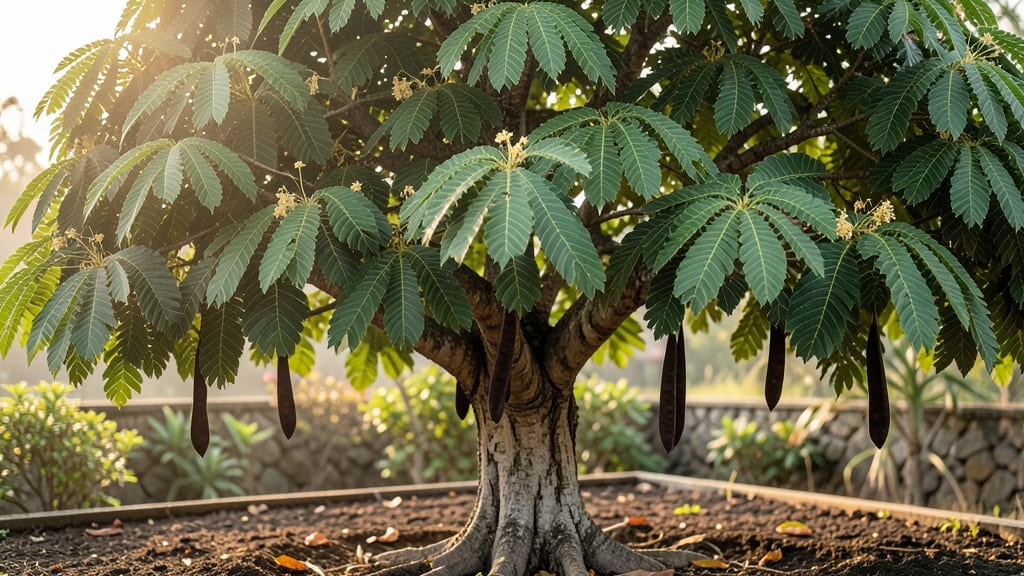
Creating a Singapore tree garden in tight spaces isn’t just possible—it’s a game-changer for urban greening. I designed mine on a 6x8-foot balcony, and now it’s a lush tropical canopy that cools the air and attracts birds every morning.
The key? Choosing fast-growing, shade-tolerant species like the Ficus microcarpa or Schefflera actinophylla, which thrive in Singapore’s humid climate without demanding massive root space.
You’ll need just three essentials: a lightweight, breathable planter (to prevent root rot), a soil mix that drains fast but holds moisture, and a drip irrigation system to keep roots happy during the dry season.
Most people overlook the soil—it’s got to mimic the forest floor, with a mix of peat, perlite, and compost. My first attempt with regular potting soil led to root rot within weeks, so I switched to a 50-30-20 blend and never looked back.
By the end of the first year, you’ll have a 30-foot-tall vertical garden that provides shade, improves air quality, and even produces edible fruits like starfruit or rambutan if you choose the right varieties.
The best part? It becomes a wildlife magnet—butterflies, bees, and birds will visit daily, turning your balcony into a mini ecosystem. The shade alone makes summer afternoons bearable in Singapore’s heat.
This design works for any small space—whether it’s a rooftop, courtyard, or even a narrow alleyway. The only rule is to avoid heavy mulches that smother roots in the humidity. Next, we’ll pick your perfect tree lineup based on sunlight and space constraints.
📚 In This Guide
- What you need
- Instructions
- Tips and common mistakes
- Wrapping up and next steps
What you need
- ● Tropical plants: 1-2 Singapore Tree (Dillenia suffruticosa) saplings (3-6 ft tall, potted)
- ● 3-5 small tropical companions (e.g., ferns, hibiscus, or bird-of-paradise plants)
- ● Containers: 1 large fiberglass or ceramic planter (18-24” diameter, with drainage holes)
- ● 3-5 smaller pots (6-12” diameter, for companion plants)
- ● Soil: 1 bag well-draining tropical potting mix (or a blend of peat moss, perlite, and coconut coir)
- ● Tools: 1 trowel (for planting)
- ● 1 pruning shears (for trimming)
- ● 1 garden gloves (to keep hands clean)
- ● 1 self-watering planter (to keep soil consistently moist)
- ● 1 fertilizer (balanced liquid fertilizer for tropical plants)
- ● 1 mulch (to retain moisture and suppress weeds)
- ● 1 small watering can (with a fine rose for gentle watering)
- ● Decorative elements: pebbles, moss, or bamboo stakes for a polished look
Step-by-Step guide to creating a Singapore tree garden in small spaces
Transform even the tiniest patio or balcony into a lush tropical retreat with this space-efficient approach.
Select Compact, Drought-Tolerant Tree Varieties
Choose slow-growing tropical trees that thrive in containers and tolerate brief dry spells—critical for small-space gardens. My top picks are dwarf citrus varieties like 'Calamondin' or 'Improved Meyer Lemon', which stay under 6 feet tall when pruned. Other excellent options include Japanese maples (cultivar 'Bloodgood' or 'Emperor I'), which develop stunning foliage in 10-12 inch pots, and Dwarf Schefflera, which grows to 3-4 feet with proper care.
Each tree should have a mature spread no wider than 3 feet to prevent overcrowding. I always verify the plant tag for "container-adapted" labels—these varieties have been bred to handle root restriction without stress. Avoid fast-growing trees like bamboo or willows, which quickly outgrow even large pots.
Choose the Right Containers and Drainage System
Use fiberglass or resin pots (not terra cotta) to prevent cracking in fluctuating temperatures, and select sizes 2-3 inches larger in diameter than the root ball of each tree. For example, a 12-inch pot works well for a 6-inch root ball. Add 3-4 drainage holes in the bottom—if your pot lacks them, drill additional holes using a ½-inch masonry bit to prevent root rot.
Line the bottom of each pot with 2-3 inches of expanded shale or gravel to create an air gap. This layer ensures excess water drains away from roots while maintaining stability. I always place a piece of landscape fabric over the drainage layer to prevent soil from washing out while still allowing water to pass through freely.
Prepare the Soil Mix for Tropical Trees
Combine 60% premium potting mix with 30% perlite and 10% worm castings for excellent drainage and nutrient retention. This blend prevents compaction, which is deadly for containerized trees. Fill each pot to 1 inch below the rim, leaving room for watering without overflow. Tap the pot gently on a solid surface to settle the soil without compacting it.
For each tree, add 1 tablespoon of slow-release fertilizer (14-14-14 ratio) directly into the soil mix before planting. This ensures a steady nutrient supply without risking root burn from concentrated doses. Water the soil thoroughly until it’s evenly moist but not soggy—you’ll know it’s right when water drips freely from the drainage holes.
Plant and Stake for Stability
Remove the tree from its nursery pot and loosen the root ball gently with your fingers to encourage outward growth. Position the tree in its new pot so the top of the root ball sits ½ inch below the soil line—this prevents stem rot from sitting water. Backfill with the prepared soil mix, pressing lightly to eliminate air pockets without compacting.
Insert 2-3 bamboo stakes around the perimeter of the pot and secure the tree with soft plant ties, ensuring the trunk remains upright. This prevents toppling in windy conditions, which is especially critical for tall, narrow trees like dwarf citrus. Water deeply after planting to help settle the soil around the roots—aim for 1 gallon of water per 12-inch pot.
Position for Optimal Light and Airflow
Place trees in bright, indirect light for the first 7-10 days to minimize transplant shock. After this period, gradually acclimate them to 4-6 hours of morning sun, then increase exposure over 2-3 weeks. Most tropical trees thrive in 60-75°F temperatures and 50-60% humidity, so position them where they’ll receive gentle airflow to prevent fungal diseases.
Rotate pots a quarter turn weekly to ensure even growth—you’ll notice leaves leaning toward the light if they’re not getting uniform exposure. Avoid placing trees in direct afternoon sun, which can scorch delicate foliage. If your space has limited light, supplement with a full-spectrum LED grow light positioned 12-18 inches above the canopy for 12 hours daily.
Tips & tricks for perfect Singapore tree garden
Creating a thriving Singapore Tree Garden in small spaces requires attention to detail—here are the essential strategies to ensure your tropical canopy flourishes.
Container Adaptation: In Step 1, when selecting your trees, prioritize varieties labeled "container-adapted" to prevent root restriction stress. For Japanese maples in 10-12 inch pots, monitor root growth closely—they'll signal when they need repotting by developing roots that circle the pot's interior. This circling, called "root girdling," can strangle the tree if left unchecked.
Drainage Layer Precision: The 2-3 inches of expanded shale in Step 2 isn't just about drainage—it's about creating an oxygen-rich zone at the pot's base. If you notice water pooling at the surface after watering, your drainage layer may be insufficient. Add an extra inch of gravel and adjust your watering technique to avoid oversaturating the soil.
Soil Mix Science: When preparing your 60-30-10 soil blend in Step 3, consider adding a handful of orchid bark to the mix for trees like Dwarf Schefflera. This increases aeration while retaining moisture, which is particularly beneficial during Singapore's humid climate. The worm castings should be thoroughly mixed—they'll provide immediate nutrients while improving soil structure.
Staking Strategy: For Step 4's staking process, use soft plant ties that can be easily adjusted as your tree grows. I've found that bamboo stakes work best when positioned diagonally rather than vertically—they provide more stability against wind. After 3-4 months, reassess whether the tree still needs support, as some varieties like dwarf citrus develop sufficient trunk strength surprisingly quickly.
Pro Tips for Singapore Tree Garden
- Creating a thriving Singapore Tree Garden in small spaces requires attention to detail—here are the essential strategies to ensure your tropical canopy flourishes.
- Container Adaptation: In Step 1, when selecting your trees, prioritize varieties labeled "container-adapted" to prevent root restriction stress.
- Drainage Layer Precision: The 2-3 inches of expanded shale in Step 2 isn't just about drainage—it's about creating an oxygen-rich zone at the pot's base.
Frequently asked questions
What’s the best time of year to visit Singapore Tree Garden?
The garden is a year-round paradise, but peak bloom seasons (especially for orchids and ferns) are between March–May and September–November. Early mornings or weekdays avoid crowds, and rainy days make the air feel even more lush—just pack a light umbrella!
How much does it cost to enter, and are there discounts?
Admission is S$12 for adults (S$6 for kids under 12) and free for Singapore residents on weekends. Look for combo tickets if visiting nearby attractions like the Singapore Botanic Gardens (a UNESCO site!). Pro tip: Check their official site for seasonal promotions or group rates.
Can I bring my own plants or soil to replant at home?
You’re welcome to take cuttings or seeds (with staff approval), but removing live plants is prohibited to protect the ecosystem. For soil, use a well-draining mix (e.g., 60% peat moss, 30% perlite, 10% orchid bark). Tip: Snap a photo of your favorite plant’s light conditions—Singapore Tree Garden thrives in bright, indirect light!
Are there any restrictions on what I can (or can’t) do there?
- No drones (for wildlife safety).
- No feeding wildlife—it harms their health!
- Leashed pets only (small dogs in designated areas).
- No smoking or open flames (fire risk in dry seasons).
- Photography is allowed, but avoid flash near sensitive plants.
Staff are friendly—just ask if you’re unsure!
How can I recreate a “Singapore Tree Garden” vibe in a tiny urban space?
Start with vertical gardens (wall-mounted planters) and hanging ferns. Use self-watering pots for humidity-loving plants like peperomias or fittonias. Hack: Place a tray of water near plants to boost humidity, or group them under a clear shower curtain for a mini greenhouse effect!
What should I do if my Singapore Tree Garden-inspired plants wilt or droop?
Check for overwatering (most tropical plants prefer slightly dry soil) or underlight. Move plants to bright, indirect light (e.g., near a north-facing window). Fix: Trim yellow leaves and repot if roots are circling. If pests appear, wipe leaves with neem oil or rinse with water.
Wrapping up and next steps
Transforming small spaces into lush, thriving gardens is absolutely possible—and Singapore Tree Garden proves it! 🌿 By embracing vertical gardening, native plants, and smart design, you can create a vibrant green oasis that breathes life into any urban corner.
Whether you’re a seasoned gardener or a curious beginner, the key is to start small, stay consistent, and let nature do the magic.
Ready to turn your vision into reality? Grab your tools, pick a spot, and plant that first seed today! Your future green retreat awaits—happy growing! 🌱✨