
Trees
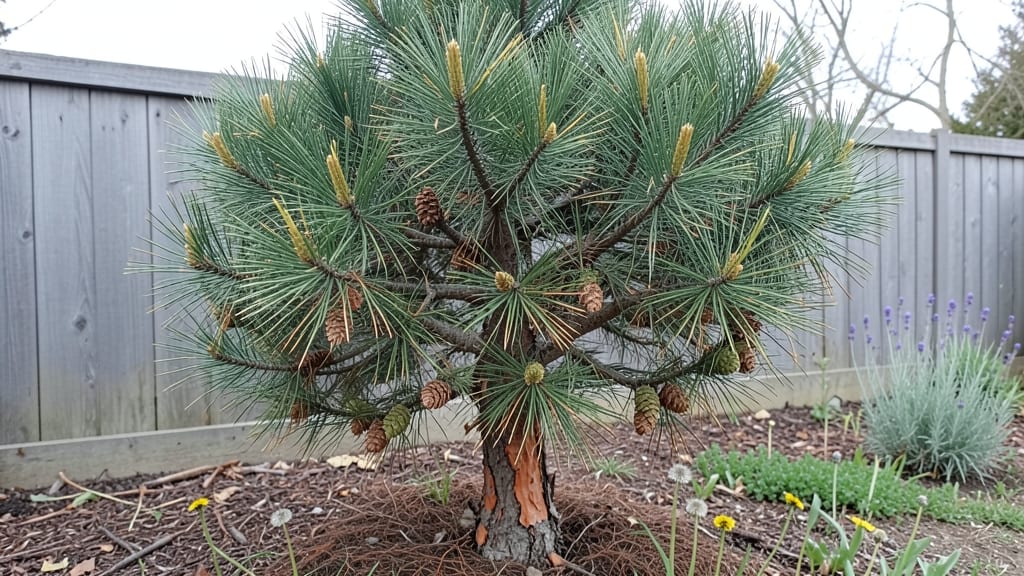
Garden pine trees bring that crisp, forest-fresh privacy you crave all year long. ✨ I planted my first dwarf pine five years ago, and now it’s the centerpiece of my backyard, casting shade in summer and keeping winter winds at bay—without ever losing its needles.
The trick isn’t just picking any pine; it’s choosing the right species for your space and climate, then giving it the care it needs to thrive.
You’ll need well-draining soil (even container-grown pines hate soggy roots), full sun for most varieties, and just enough water to keep the roots happy—not drowned. Dwarf pines like ‘Mugo’ or ‘Pugio’ work beautifully in small gardens, while taller varieties like ‘Ponderosa’ need room to stretch their branches.
The key is matching the tree to your yard’s size and sunlight, then planting it deep enough so the root flare sits just above soil level.
With proper care, your pine will grow into a lush, fragrant screen that smells like a mountain retreat. Needle drop in fall is normal—don’t panic!—and a light pruning in early spring keeps the shape tidy.
Once established, these trees are low-maintenance, pest-resistant, and the kind of green that makes neighbors stop and stare. The best part? You’ll never have to worry about seasonal bare branches again.
Whether you’re tucking one into a container on your patio or lining a fence with a row, pines adapt surprisingly well. Just watch for spider mites in dry heat and keep an eye on fungal spots after heavy rain.
With the right prep, your garden will feel like a secluded woodland retreat year-round—no matter what’s happening outside.
📚 In This Guide
- What you need
- Instructions
- Tips and common mistakes
- Wrapping up and next steps
What you need
- ● Pine tree seedlings or saplings: Choose evergreen varieties like Eastern White Pine (Pinus strobus), Mugo Pine (Pinus mugo), or Scotch Pine (Pinus sylvestris) for privacy.
- ● Quantity: 1-3 plants per 10 feet of privacy screen (adjust based on mature width).
- ● Size: 1-3 feet tall for easier handling and faster establishment.
- ● Shovel or spade: A heavy-duty, rounded digging spade (18-24 inches wide) for planting holes.
- ● Garden gloves: Durable, water-resistant gloves to protect your hands from soil and sap.
- ● Pruning shears: Sharp, bypass-pruning shears (for trimming roots or shaping young trees).
- ● Mulch: 3-4 inches of organic mulch (pine straw, wood chips, or shredded bark) to retain moisture and suppress weeds.
- ● Slow-release fertilizer: Balanced, granular fertilizer (10-10-10 or 20-20-20) for initial planting.
- ● Watering can or hose with a gentle spray nozzle: For deep watering after planting.
- ○ Staking materials (optional but recommended for young trees): 2-3 bamboo stakes or wooden posts (4-6 feet tall).
- ● Soft tree ties or garden twine to secure saplings without damaging them.
- ● Soil amendments: Peat moss or compost to improve drainage in heavy clay soils.
- ● Root stimulator: A mycorrhizal fungus powder to boost root growth.
- ● Drip irrigation system: For automated watering during dry spells.
- ● Tree guard or protective wrap: To shield young pines from deer, rabbits, or harsh winds.
- ● Soil pH test kit: Pines prefer slightly acidic soil (pH 5.0-6.5)—adjust with sulfur if needed.
How to plant and maintain garden pine trees for year-round beauty
Here's the straightforward method I use to establish healthy, fast-growing evergreen screens.
🌱 Step 1: Choose the Right Location and Prepare the Soil
Pines thrive in full sun with at least 6 hours of direct light daily, so pick a south-facing spot where they’ll get maximum exposure. I always test the soil first—pines prefer slightly acidic conditions between pH 4.5 and 6.5. If your soil is too alkaline, amend it with 2-3 inches of peat moss mixed into the top 12 inches of soil.
Dig a hole twice as wide as the root ball but only as deep as the container’s bottom. Loosen the sides of the hole with a shovel to encourage root spread. This prevents root circling, which stunts growth. If planting multiple trees, space them 10-15 feet apart for mature size—closer spacing creates denser privacy faster.
🪴 Step 2: Plant with Proper Spacing and Support
Remove the pine from its container and gently tease the roots outward if they’re circling. Place it in the hole so the root flare (where the roots meet the trunk) sits 1-2 inches above soil level. Backfill with native soil, tamping lightly every 2 inches to eliminate air pockets. Water deeply to settle everything.
Stake young pines if needed—especially in windy areas. Use two 4-foot stakes driven 6 inches outside the root ball, tied loosely with soft tree ties (never wire). This gives the tree stability without restricting growth. Mulch with 3 inches of pine bark (keep it 6 inches away from the trunk to prevent rot).
☀️ Step 3: Water Deeply and Monitor Moisture
Water once weekly for the first year, soaking the soil to a depth of 12 inches. You’ll know it’s enough when water runs out the drainage holes if planted in containers, or when the top 2 inches of soil feel moist. Overwatering suffocates pine roots, so let the top layer dry slightly between waterings.
After the first year, pines are drought-tolerant, but young trees still need deep waterings every 2-3 weeks during dry spells. Watch for needle browning—this often signals underwatering, while yellowing needles can mean overwatering or poor drainage. Adjust based on what you see.
✂️ Step 4: Prune for Shape and Health
Prune pines only when necessary—they’re naturally slow-growing and don’t need heavy shaping. Remove dead, diseased, or crossing branches in late winter or early spring before new growth begins. Use clean, sharp pruners and cut just outside the branch collar to prevent damage.
For privacy screens, I lightly shape the outer branches to encourage fuller growth. Never remove more than 25% of the foliage in one season—pines recover slowly from heavy pruning. After pruning, apply a balanced fertilizer (10-10-10) in early spring to support new growth.
⏰ Step 5: Protect and Maintain Long-Term
Pines are low-maintenance but benefit from annual mulch top-ups in early spring. Spread 1-2 inches of fresh mulch, keeping it clear of the trunk. This conserves moisture and regulates soil temperature. In winter, young pines may need light burlap wrapping to protect against freezing winds if your climate dips below 10°F.
Watch for pine beetles—tiny holes in the bark or sawdust-like frass are red flags. Treat early with neem oil or contact your local extension office. With proper care, your pines will grow 2-3 feet per year, providing lush privacy within 5-7 years. The best part? They’ll stay green and elegant for decades.
Tips & tricks for perfect garden pine trees
These practical tips will help you avoid common pitfalls and ensure your evergreen screens thrive for decades.
The Sunlight Secret: While pines need at least 6 hours of sun, I've found they actually perform best with full sun exposure (8+ hours) for maximum growth. If your location gets afternoon shade, consider planting fast-growing varieties like 'Sawara' or 'Mugo' that tolerate partial shade better. Position trees slightly north of their final location to avoid transplant shock from harsh afternoon sun during establishment.
Root Ball Rescue: When planting, gently loosen the root ball's outer edges with your fingers to encourage root spread. I've seen many gardeners skip this step and end up with stunted growth from root circling. For container-grown pines, soak the root ball in water for 15-20 minutes before planting to reduce transplant shock. This hydration boost helps roots establish faster in their new home.
Winter Protection Wisdom: That 10°F threshold mentioned for burlap wrapping is critical—below this temperature, young pines can suffer frost damage. I've learned the hard way that wrapping should extend 12-18 inches up the trunk, not just the lower portion. For extra protection, add a layer of straw mulch around the base after wrapping. In windy climates, consider temporary windbreaks until trees establish their root systems.
Mulch Mastery: The 3 inches of pine bark mulch should be refreshed annually in spring, but here's the thing: don't let it pile against the trunk. I've seen many gardeners accidentally smother their trees with thick mulch layers. Keep that 6-inch clearance to prevent rot and pest issues. For added benefits, mix in a handful of bone meal fertilizer when applying fresh mulch—it provides slow-release nutrients without disturbing the roots.
Pro Tips for Garden Pine Trees
- These practical tips will help you avoid common pitfalls and ensure your evergreen screens thrive for decades.
- The Sunlight Secret: While pines need at least 6 hours of sun, I've found they actually perform best with full sun exposure (8+ hours) for maximum growth.
- Root Ball Rescue: When planting, gently loosen the root ball's outer edges with your fingers to encourage root spread.
Frequently asked questions
Got questions about adding garden pine trees to your outdoor space?
Here are answers to the most common queries to help you plan with confidence!
How fast do garden pine trees grow for privacy?
Most garden pine varieties grow moderately fast—about 12 to 24 inches per year. Dwarf pines (like Pinus mugo) grow slower (6–12 inches/year), while faster growers like Pinus strobus (white pine) can reach 3 feet annually. Expect full privacy in 5–10 years, depending on spacing and care.
When is the best time to plant garden pine trees?
Plant in early spring or fall for ideal results. Spring (March–April) lets roots establish before summer heat, while fall (September–October) avoids extreme temps. Avoid planting in winter (frost risk) or peak summer (drought stress). Container-grown pines can be planted year-round if soil isn’t frozen.
How much water do garden pine trees need?
Pines are drought-tolerant once established, but newly planted trees need consistent moisture. Water deeply 2–3 times per week for the first year, then taper to once a week (or during dry spells). Overwatering can harm roots—always check soil 2 inches down before watering. Mulch helps retain moisture.
Can I plant garden pine trees in small yards or containers?
Yes!
Dwarf varieties (like Pinus sylvestris ‘Blue Dwarf’ or Pinus thunbergii) thrive in containers or tight spaces. For ground planting, leave 4–6 feet between trees for airflow. In containers, use well-draining soil and repot every 2–3 years. Just avoid root-bound conditions!
What pests or diseases should I watch for in garden pine trees?
Common issues include:
- Pine needle scale: Sticky residue on needles—treat with horticultural oil.
- White pine weevil: Causes leader dieback—prune infested tips in early spring.
- Fungal diseases (e.g., needle cast): Improve airflow and avoid overhead watering.
- Squirrels/deer: Use repellents or protective barriers for young trees.
Wrapping up and next steps
Garden pine trees are the ultimate year-round privacy solution, blending beauty, resilience, and low-maintenance charm into your outdoor space. Whether you’re shielding your patio, securing a boundary, or simply adding evergreen elegance, these trees offer timeless appeal with minimal fuss. 🌲✨
Ready to transform your garden? Start by choosing the right pine variety for your climate and space, then roll up your sleeves for a rewarding planting project. With patience and care, your pine trees will thrive—and so will your peace of mind!