
Landscaping
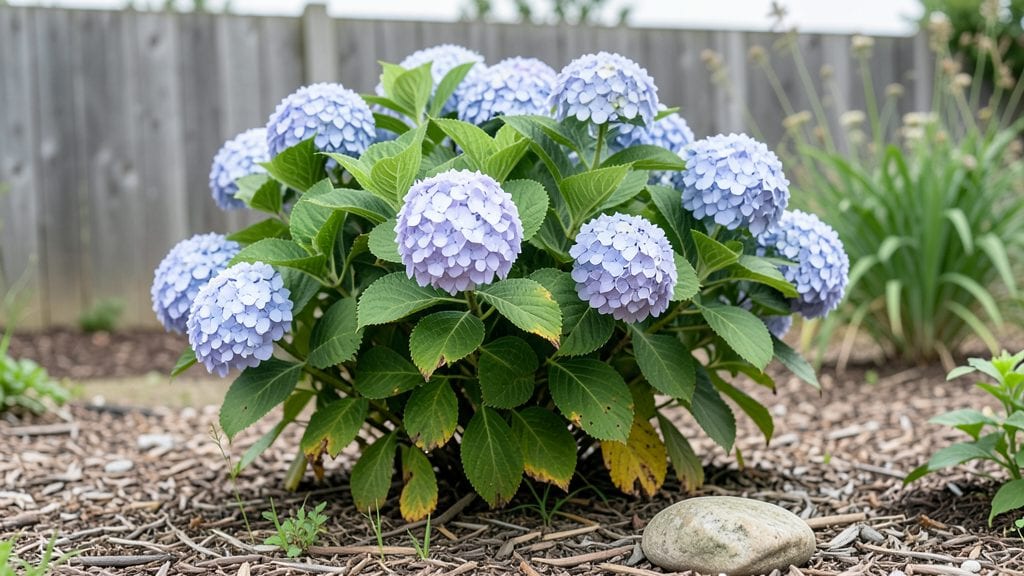
This outdoor garden idea—year-round privacy with evergreen hedges and climbing vines—turned my exposed backyard into a cozy, secluded retreat, blocking nosy neighbors and chilly drafts. 🌿 I transformed that stretch of lawn into a lush, secluded oasis with just a few strategic plants. retreat using just three evergreen shrubs and a fast-growing vine, and the difference is night and day.
Evergreens like arborvitae or leyland cypress grow tall enough to block views while keeping your yard green all winter, while climbing vines like clematis or ivy soften hard edges and add vertical interest.
The best part? You can mix textures—needle-like foliage next to broadleaf vines—for a look that’s both functional and striking. Even small spaces can work with dwarf varieties or trellises.
Imagine stepping outside to a wall of rich greenery that stays vibrant through snowstorms, with delicate blooms or glossy leaves adding seasonal pops of color. This isn’t just about hiding your laundry line—it’s about creating a serene, enclosed garden that feels like your own private escape, no matter the weather.
Works for everything from tight urban backyards to sprawling country properties, and adapts to sun or shade. Here’s how to pick the perfect plants for your space and climate—no green thumb required.
Root Causes Of Garden Failures
Understanding why your outdoor garden struggles—especially when aiming for year-round privacy with evergreen hedges and climbing vines—starts with identifying the hidden culprits sabotaging growth. Below, we break down the science-backed reasons behind common setbacks, so you can fix them before they derail your lush, green sanctuary.
The foundation of any thriving garden is healthy soil, yet many overlook its critical role. Evergreen hedges and climbing vines demand well-draining, nutrient-rich soil with the right pH balance (typically 6.0–7.0 for most species). Here’s why soil fails:
- Compacted Soil 🪨: Heavy foot traffic, construction, or clay-heavy soil compresses the earth, restricting root oxygen exchange and water absorption. Roots suffocate, leading to stunted growth or death. - Actionable Fix: Aerate compacted areas with a garden fork or rent a core aerator.
Mix in organic matter like compost or aged manure (2–3 inches deep) to improve structure.
- Nutrient Deficiencies 🧪: Plants like English ivy (Hedera helix) or Holly (Ilex) deplete soil of nitrogen, phosphorus, and potassium over time.
Without replenishment, yellowing leaves (chlorosis) or weak stems appear. - Actionable Fix: Conduct a soil test (kits cost ~$20) and amend with slow-release fertilizers (e.g., 10-10-10 NPK ratio) in early spring. Mulch with pine needles or leaf litter to retain nutrients.
- Wrong pH Levels 📉: Acid-loving plants (e.g., Azaleas, Boxwood) wilt or develop brown tips if soil pH exceeds 5.5–6.5.
Alkaline soil (pH >7.0) locks out essential micronutrients like iron and manganese. - Actionable Fix: Lower pH with elemental sulfur (sprinkle 1 lb per 100 sq ft, water thoroughly). Raise pH with lime (use sparingly, as it’s harder to reverse).
Overwatering or underwatering are top killers of hedges and vines. Most gardeners assume "more water = better growth," but root rot and drought stress both stifle plants.
- Overwatering & Root Rot 🍄: Evergreens and vines hate soggy roots.
Poor drainage or excessive watering creates anaerobic conditions, inviting fungal pathogens like Phytophthora to rot roots. - Actionable Fix: - Install French drains or raised beds if your yard floods. - Water deeply but infrequently (1–1.5 inches per week, including rain).
Use a moisture meter to check soil depth. - Avoid wetting foliage (use drip irrigation or soaker hoses).
- Underwatering & Drought Stress 🌵: Climbing vines (e.g., Clematis, Wisteria) and dense hedges need consistent moisture, especially in their first year.
Wilting or crispy leaf edges signal dehydration. - Actionable Fix: - Mulch heavily (3–4 inches of wood chips or straw) to retain moisture. - Water early morning to reduce evaporation. Aim for slow, deep soaking (30–45 minutes per session).
Not all plants thrive in the same light conditions. Evergreens and vines have specific sunlight needs, and mismatches lead to leggy growth, sparse foliage, or sunburn.
- Too Much Sun 🔥: Delicate vines like Clematis or shade-tolerant hedges (e.g., Arborvitae) suffer sun scald (brown patches) or leaf burn in full, hot sunlight (6+ hours/day).
- Actionable Fix:
- Plant sun-sensitive species on north-facing walls or under partial shade.
- Provide afternoon shade with a lattice trellis or lightweight shade cloth (30–50% coverage).
- Actionable Fix:
- Insufficient Light 🌑: Fast-growing vines (e.g., Honeysuckle, Ivy) or dense hedges (e.g., Yew) become spindly and weak without 4–6 hours of direct sunlight.
This triggers etiolation—stretched stems with few leaves. - Actionable Fix: - Choose sun-loving varieties (e.g., Privet, Boxwood) for sunnier spots. - Supplement with grow lights (LED full-spectrum bulbs) if your yard is heavily shaded.
Unseen pests and pathogens can decimate your privacy screen faster than you’d think.
Evergreens and vines are prime targets for: - Sap-Sucking Insects (Aphids, Spider Mites): Cause sticky honeydew, yellowing leaves, and weakened growth. - Fungal Infections (Powdery Mildew, Rust): Thrive in humid, shaded conditions, coating leaves in white/gray fuzz. - Root-Eating Pests (Grubs, Vole): Chew roots, leading to sudden wilting or plant collapse.
- Actionable Fixes:
- Preventively: Spray neem oil (1 tsp per gallon of water) every 2–3 weeks during growing season.
- Treat Infestations:
- Aphids/Mites: Blast off with a strong hose spray or use insecticidal soap.
- Fungi: Apply copper fungicide or baking soda spray (1 tbsp baking soda + 1 tsp soap per gallon of water).
- Voles/Grubs: Set castor oil-based repellents or chicken wire barriers around young plants.
Skipping pruning or cutting at the wrong time stresses plants, leaving them vulnerable to disease and poor structure.
Common mistakes: - Over-Pruning: Removing >30% of foliage in one session shocks the plant, reducing photosynthesis. - Wrong Timing: Pruning spring-blooming vines (e.g., Wisteria) after buds form removes next year’s flowers. - Poor Technique: Cutting too close to the trunk or leaving ragged stubs invites infections.
- Actionable Fixes:
- When to Prune:
- Evergreens: Late winter/early spring (before new growth).
- Flowering Vines: After blooming season (e.g., Clematis prune in late summer).
- How to Prune:
- Use clean, sharp shears (sterilize with rubbing alcohol).
- Cut at a 45° angle just above a leaf node (growth point).
- Shape hedges with a string guide for even lines.
- When to Prune:
Your garden’s microclimate—the unique conditions in small areas—can make or break plant success. Factors like wind, temperature swings, and frost pockets play a role.
- Windburn 💨: Exposure to dry, cold winds (common in open yards) desiccates leaves, causing brown, crispy edges (especially in softwood plants like Arborvitae). - Actionable Fix: Plant a windbreak (e.g., Bamboo, Evergreen Trees) on the northwest side of your garden.
Alternatively, use burlap wind screens temporarily.
- Frost Damage ❄️: Tender vines (e.g., Jasmine, Passionflower) or young hedges suffer frost cracks or blackened foliage in sudden freezes.
- Actionable Fix:
- Mulch heavily (6+ inches) around the base.
- Cover plants with frost cloth on nights below 28°F.
- Choose cold-hardy varieties (e.g., Dwarf Lilac Hedge for Zone 3).
- Actionable Fix:
- **Heat
Fixing Common Outdoor Privacy Problems
Creating a lush, private outdoor garden with evergreen hedges and climbing vines sounds dreamy—but reality can throw curveballs. Whether it’s pests nibbling away, plants struggling to grow, or maintenance becoming a chore, these practical solutions will help you restore balance to your green sanctuary.
Cause: Fast-growing vines or hedges can quickly spiral out of control, blocking sunlight from other plants or overwhelming your design.
Fix It: 🔥 Prune Strategically – Trim back overgrown branches in late winter or early spring (before new growth starts). Use sharp pruners or shears to make clean cuts just above a leaf node or bud. For climbing vines like ivy or jasmine, train them along trellises or fences to guide their growth.
🍳 Thin Out Dense Areas – If your hedge is too thick, selectively remove inner branches to improve airflow and sunlight penetration. This prevents disease and encourages healthier growth.
👨🍳 Mulch for Control – Apply a 2-3 inch layer of mulch (wood chips or straw) around the base of your plants. This suppresses weeds, retains moisture, and slows down aggressive spread.
⏰ Schedule Regular Maintenance – Set reminders every 4-6 weeks to check for overgrowth. A little effort now saves hours of cleanup later!
Cause: Chewing insects, fungal infections, or sap-sucking bugs can weaken or kill your prized evergreens and vines.
Fix It: 🔥 Identify the Culprit – Common pests include aphids, spider mites, and bagworms. Look for chewed leaves, sticky residue (honeydew), or webbing. Fungal issues often appear as yellow spots or powdery coatings.
🍳 Natural Remedies First – Spray plants with a soapy water solution (1 tsp mild dish soap per quart of water) to deter soft-bodied pests like aphids. For fungal problems, use neem oil (1 tbsp per quart of water) as a preventative spray.
👨🍳 Encourage Beneficial Insects – Ladybugs, lacewings, and birds love munching on garden pests. Plant dill, fennel, or marigolds nearby to attract them naturally.
🔪 Remove Infested Debris – Prune and dispose of heavily damaged leaves or branches to stop the spread. Avoid composting infected plant material.
🌡️ Prevent Future Outbreaks – Improve airflow by spacing plants properly, water at the base (not overhead), and avoid overwatering, which invites fungal growth.
Cause: Poor soil drainage, inconsistent watering, or compacted soil can stunt growth or lead to root rot.
Fix It: 🔥 Test Your Soil – Use a simple pH test kit (available at garden centers) to check if your soil is too acidic, alkaline, or lacks nutrients. Most evergreens and vines thrive in slightly acidic to neutral soil (pH 6.0–7.0).
🍳 Amend the Soil – Mix in compost or aged manure to improve fertility. For sandy soil, add peat moss or coconut coir to retain moisture. For clay soil, incorporate perlite or vermiculite to loosen it up.
👨🍳 Water Wisely – Deep water 1–2 times per week (depending on climate) rather than shallow daily watering. Use a soaker hose or drip irrigation to deliver water directly to the roots.
✨ Mulch for Moisture Retention – A thick layer of mulch (3–4 inches) keeps soil cool and reduces evaporation. Just keep it 6 inches away from plant stems to prevent rot.
Cause: Nutrient deficiencies, improper sunlight, or root-bound plants can leave your garden looking lackluster.
Fix It: 🔥 Fertilize Seasonally – Use a balanced, slow-release fertilizer (10-10-10 or 20-20-20) in early spring and again in mid-summer. For climbing vines, a high-phosphorus fertilizer (5-10-10) encourages blooming.
🍳 Check Sunlight Needs – Most evergreens (like boxwood or arborvitae) need 6+ hours of sun, while some vines (e.g., clematis) prefer partial shade. Adjust plant placement if growth is sluggish.
👨🍳 Repot or Divide Overcrowded Plants – If container-grown hedges or vines are root-bound, gently remove them, trim tangled roots, and replant in fresh soil with room to grow.
💡 Boost with Organic Matter – Work worm castings or fish emulsion into the soil for a nutrient boost. These gentle amendments improve soil structure without burning plants.
To keep your outdoor privacy garden thriving with minimal hassle:
- 💡 Choose Disease-Resistant Varieties – Opt for evergreens like Dwarf Alberta Spruce or vines such as Clematis ‘Jackmanii’, known for their hardiness.
- 🌡️ Monitor Seasonal Needs – Adjust watering and fertilizing based on rainfall, temperature, and plant type (e.g., reduce water in winter for drought-tolerant species).
- 🔥 Rotate Plant Placements – If one area gets overcrowded, swap out a few plants to refresh growth patterns.
- ✨ Invest in Quality Tools – Sharp pruners, a long-handled hedge trimmer, and a moisture meter make maintenance easier and more effective.
With these targeted fixes, your outdoor garden will stay lush, private, and low-maintenance year-round. Happy gardening! 🌿🌸
Frequently asked questions
What are the best evergreen shrubs for fast privacy screening?
For quick privacy, try Arborvitae (Thuja occidentalis) or Leyland Cypress—both grow 2-3 feet per year and reach 15-20 feet tall. Dwarf varieties like Emerald Green Arborvitae work for smaller spaces, growing just 1-2 feet annually while staying compact. These stay green year-round and handle most climates well.
How do I train climbing vines to grow on a trellis?
Start by attaching the vine's main stem to the trellis with soft plant ties or twine. As new growth appears, gently weave it through the lattice or wrap it around support wires. For aggressive vines like Ivy, prune back overgrowth in late winter to maintain shape. Water consistently during the first year to encourage strong root development.
Can I mix different types of plants in my privacy garden?
Combine evergreen hedges (for structure) with climbing vines (for softness) and flowering shrubs (for color). For example, pair Arborvitae with Clematis vines and Hydrangeas. Just ensure they share similar sunlight and water needs. The key is layering heights and textures for visual interest.
How often should I prune my evergreen hedge?
Prune Arborvitae or Leyland Cypress lightly in late winter or early spring before new growth starts. For shaping, trim no more than 1/3 of the foliage at a time. Use sharp shears and cut at a 45° angle just above a leaf node. Avoid heavy pruning in fall, as it stresses plants before winter.
What's the cheapest way to create a privacy screen?
Start with fast-growing, low-cost plants like Bamboo (if invasive varieties are allowed in your area) or Privet hedges ($5-$10 per plant). Use trellises made from scrap wood or repurpose old fencing for vines. Mulch with free yard waste (like grass clippings) to suppress weeds and retain moisture.