
Vegetables
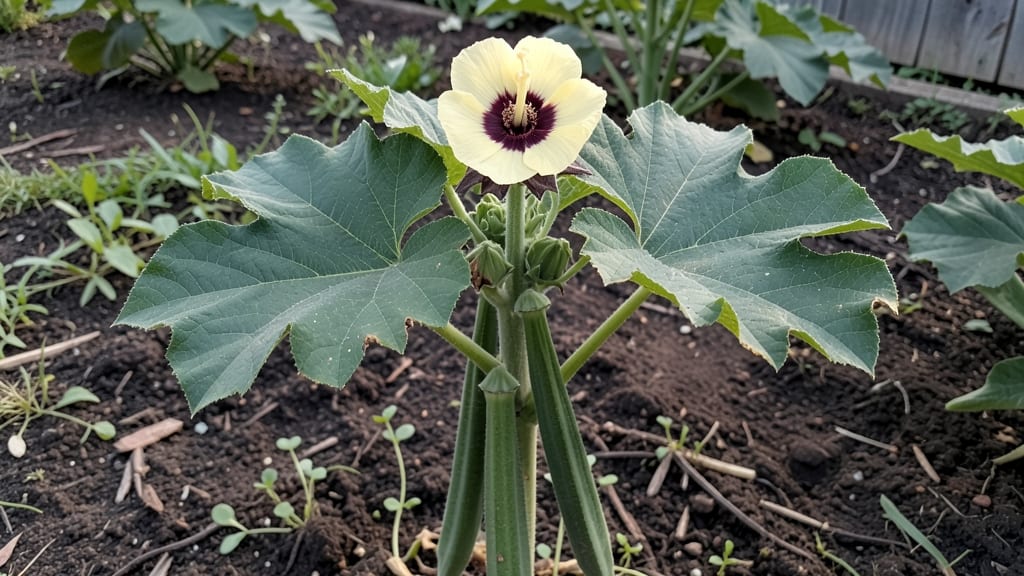
Growing a garden okra plant 🌱 is your ticket to a summer of quick, flavorful harvests without the fuss of finicky crops.
If you're tired of waiting months for tomatoes or peppers to produce, okra delivers tender pods in just 50-60 days—and thrives in the same heat that wilts other vegetables. I planted mine last spring in Zone 6a, and by July, I was harvesting enough to share with neighbors.
This fast-growing vegetable isn’t just efficient; it’s forgiving. Okra handles poor soil, drought, and even occasional neglect better than most plants, making it the perfect choice for busy gardeners or hot climates where other crops fail.
Below, I’ll walk you through everything from soil prep to harvest timing, so you can grow a bountiful okra patch with minimal effort—and enjoy those crisp, fresh pods all season long.


How to grow okra plants from seeds for maximum bushiness
Growing okra from seeds is one of the fastest ways to enjoy a bushy, productive plant in your garden. These heat-loving plants thrive in hot climates and reward gardeners with tender pods in just 50-60 days.
The key to maximum bushiness starts with proper seed planting and ideal growing conditions.
Okra seeds germinate quickly in warm soil, but timing and spacing play critical roles in developing a strong, compact plant. Unlike many vegetables, okra doesn’t transplant well, so direct sowing is your best bet.
With the right soil preparation and sunlight exposure, you’ll avoid leggy, sparse plants and instead grow a dense, productive bush that yields pods for weeks.
Step 1: Choose the right planting location. Okra needs full sun exposure (6-8+ hours daily) and well-draining soil with a pH between 6.0-7.0. Amend clay-heavy soil with compost to improve drainage.
- Step 1: Test soil temperature—okra seeds need soil at at least 60°F (15°C). Use a soil thermometer to confirm warmth before planting.
- Step 2: Sow seeds ½ inch deep in rows spaced 18-24 inches apart. Plant seeds 12 inches apart in rows to allow for bushy growth.
- Step 3: Thin seedlings to 12-18 inches apart once they reach 2-3 inches tall. This prevents overcrowding and encourages stronger stems.
- Step 4: Water deeply after planting to settle soil, but avoid soaking the seeds. Keep soil moist but not soggy during germination (5-10 days).
- Step 5: Apply mulch (straw or grass clippings) around plants to retain moisture and suppress weeds. Mulch also keeps roots cool in hot climates.
- Step 6: Fertilize lightly with a balanced 10-10-10 fertilizer when plants are 4-6 inches tall. Use 1 tablespoon per plant to avoid burning roots.
One of the most common mistakes beginners make is overcrowding okra plants. While they can grow tall, they need space to develop strong branches and multiple harvest points.
If you skip thinning, you’ll end up with tall, spindly stems and fewer pods. Always aim for 12-18 inches between plants to encourage bushiness.
Okra thrives in hot, dry conditions, but consistent moisture is crucial during the first 4-6 weeks after planting. Water deeply in the morning to reduce evaporation and fungal risks. Once established, okra becomes drought-tolerant, but regular watering ensures larger, more abundant pods.
To boost bushiness, consider pruning techniques. Pinch off the first few flowers to redirect energy into leaf and stem growth. This encourages a fuller plant with more lateral branches.
Avoid heavy pruning, as okra produces pods on new growth, and you want to maintain a balanced harvest.
Watch for pests like aphids and spider mites, which thrive in dry conditions. A strong spray of water can dislodge them, or use neem oil as a natural deterrent.
Healthy, bushy okra plants are less susceptible to pests, so proper soil nutrition and watering are your first lines of defense.
With these steps, your okra plants will grow into lush, productive bushes that yield tender pods for weeks. The key is patience—okra grows fast, but giving it the right start ensures a bountiful harvest in even the hottest climates.
Best okra varieties for hot climates and their growth speed
When growing okra in hot climates, choosing the right variety can mean the difference between a bountiful harvest and struggling plants. Some varieties thrive under scorching sun, while others bolt or wilt when temperatures rise.
Let’s explore the top okra varieties that excel in heat, their growth speed, and how they perform in different conditions.
If you’re short on time but need fast-growing okra, some varieties deliver pods in as few as 50 days, while others take 70+ days.
For example, 'Clemson Spineless' is a favorite for its heat tolerance and large pods, while 'Emerald' offers a quicker harvest with smooth, tender pods. Let’s break down the best options for your garden.
'Clemson Spineless' is my go-to for hot, dry climates because it handles intense heat like a champ. Its spineless pods make harvesting easier, and the plants produce abundantly if given enough space. If you’re in a USDA Zone 9-11, this variety is a game-changer for summer gardens.
For those who want quick results, 'Emerald' is a fantastic choice. It matures faster than most, giving you tender pods in just 50-55 days. This makes it ideal for short-season gardens or areas with early heatwaves. Plus, its smooth texture is perfect for cooking or stir-frying.
If you love large okra pods, 'Jumbo Red' delivers with 8-10-inch pods that are great for gumbo or frying. However, it’s slightly less heat-tolerant than the others, so it’s best suited for hot but not extreme climates.
Its bold red color also adds a fun visual twist to your garden.
No matter which okra variety you choose, always plant in well-draining soil and provide full sun exposure. With the right heat-loving variety, you’ll enjoy a bountiful harvest all summer long! 🌿