Planting
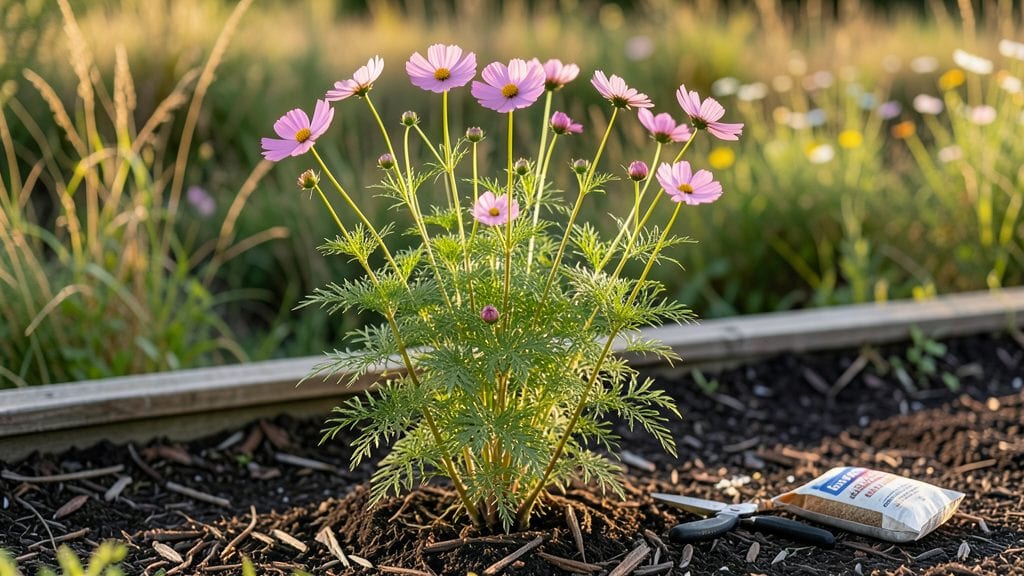
Growing garden cosmos plants turns any sunny corner into a pollinator paradise with bold, daisy-like blooms that keep bees, butterflies, and hummingbirds buzzing all summer. 🌻 I planted my first patch last spring after seeing how effortlessly they thrived in my neighbor’s neglected border—no fuss, just foot-high stems packed with cheerful flowers from July until frost.
The secret isn’t complicated: they’re drought-tolerant, self-seeding, and happy in almost any soil, making them the perfect plant for gardeners who want color without the work.
Start with seeds sown directly in the garden after your last frost date—no need for transplanting. Cosmos love full sun (at least 6 hours daily) and well-draining soil, though they’ll forgive you if your soil’s less than perfect.
Space seeds 12–18 inches apart in rows, and they’ll pop up in 7–14 days. Water lightly until established, then let nature take over; these plants hate soggy roots but bounce back from dry spells like pros.
The key to long blooms? Deadhead spent flowers occasionally—though I’ll admit, I often skip this step and still get a second flush of blooms in fall.
What you’ll end up with is a carefree, pollinator magnet that outshines fussy annuals. The blooms range from pink and white to deep red, and their papery petals add movement to the garden as they sway in the breeze.
Cut a few for bouquets, and the stems last 5–7 days in water—though I usually leave them in the ground where they attract more bees than my vegetable patch. The best part? They self-seed like crazy, so you’ll have cosmos popping up year after year with almost no effort.
For extra-long seasons, try ‘Bright Lights’ for striking burgundy foliage or ‘Sensation Mix’ for towering stems. If you’re in a cooler climate, start seeds indoors 4–6 weeks before transplanting to beat short summers.
And here’s a pro tip: interplant cosmos with herbs or veggies—they deter pests naturally while adding beauty. Ready to grow a garden that works as hard as it blooms?
📚 In This Guide
- What you need
- Instructions
- Tips and common mistakes
- Wrapping up and next steps
What you need
- ● Seeds: 10–20 cosmos seeds (choose a variety like Cosmos bipinnatus or Cosmos sulphureus for bold blooms).
- ● Seed-starting mix: 1–2 gallons of light, well-draining potting soil (or coconut coir for eco-friendly options).
- ● Containers or seed trays: 2–4 small pots (3–4 inches deep) or a seed tray with drainage holes.
- ● Garden soil: 1–2 bags of loose, fertile soil (amend with compost for better drainage).
- ● Watering can or spray bottle: With a fine rose nozzle for gentle watering.
- ○ Fertilizer (optional): Balanced organic fertilizer (e.g., 10-10-10) or compost tea for a nutrient boost.
- ● Garden stakes or cages: 6–12 inches tall to support taller varieties.
- ● Mulch: Straw or shredded leaves to retain moisture and suppress weeds.
- ● Pruning shears: For deadheading spent blooms and shaping plants.
- ● Garden gloves: To protect your hands while handling soil or seeds.
- ○ Sunlight meter (optional): To ensure your planting spot gets 6–8 hours of sun daily.
Step-by-step instructions for planting and cultivating garden cosmos
Watch your garden transform into a pollinator paradise with these vibrant, easy-care blooms.
🌱 Step 1: Choose the Perfect Planting Location
Cosmos thrive in full sun—select a spot that receives at least 6-8 hours of direct sunlight daily. I always look for areas with well-draining soil, as cosmos despise soggy roots. If your soil is heavy clay, amend it with 2-3 inches of compost mixed into the top 6 inches of soil before planting.
Here's the thing—cosmos are drought-tolerant once established, but they need consistent moisture during their first 4-6 weeks of growth. You'll see the first true leaves emerge in 2-3 weeks if conditions are ideal. Avoid low-lying areas where cold air pools, as cosmos are sensitive to frost damage.
🌱 Step 2: Direct Sow Seeds at the Right Time
Sow seeds outdoors 2-3 weeks after your last frost date when soil temperatures reach 60°F or warmer. Cosmos don't transplant well, so I always sow directly into the garden. Plant seeds ¼ inch deep and 12-18 inches apart in rows spaced 18-24 inches apart.
Thin seedlings to 12-18 inches apart once they reach 3-4 inches tall. I use a small pair of scissors to snip unwanted seedlings at soil level—it's cleaner than pulling and disturbs fewer roots. Water gently after sowing to settle the soil around the seeds without displacing them.
☀️ Step 3: Provide Consistent Water and Maintenance
Keep the soil evenly moist during germination and early growth, but avoid overwatering—cosmos are prone to fungal issues in wet conditions. Water deeply 1-2 times per week once established, providing about 1 inch of water per week. You'll know moisture is right when the top 1-2 inches of soil feel dry to touch.
Deadhead spent blooms regularly to encourage continuous flowering. I pinch off faded flowers with my fingers or use clean pruners to cut back stems to the nearest leaf node. This redirects the plant's energy into producing more vibrant blooms rather than setting seed. Fertilize lightly with a balanced 10-10-10 fertilizer every 4-6 weeks during the growing season.
✂️ Step 4: Prune for Bushier Growth and Longer Blooms
Pinch back the main stems when they reach 6-8 inches tall to encourage bushier growth. This is the moment that matters—removing the top set of leaves just above a leaf node stimulates lateral branching. You'll see multiple stems emerge from that point within 2-3 weeks.
Cut back leggy stems in late summer to rejuvenate the plant and extend the blooming season. I never cut more than ⅓ of the plant's height at once, as cosmos are resilient but not invincible. After pruning, water deeply to help the plant recover and promote new growth.
🌿 Step 5: Enjoy the Blooms and Support Pollinators
Cosmos are a pollinator magnet—you'll see bees, butterflies, and hummingbirds flocking to your garden within weeks of planting. The blooms last from midsummer until frost, providing a long-lasting display of color and movement. Cut flowers for bouquets anytime they're in full bloom, and they'll last 5-7 days in a vase.
Leave some flowers on the plant to develop seeds if you want to collect them for next year. The papery seed heads add winter interest to the garden. I always save seeds from my healthiest plants and store them in a cool, dry place until the following spring.
Tips & tricks for perfect garden cosmos planting
These game-changing insights will help you cultivate cosmos that burst with color and attract pollinators like crazy—no green thumb required!
Soil Preparation Secret: The key to thriving cosmos lies in that initial soil prep. Before planting, I always mix in 2-3 inches of compost into the top 6 inches of soil—this creates the perfect balance of nutrients and drainage. For heavy clay soil, add a handful of perlite or coarse sand to prevent compaction. The goal is to mimic their natural, well-draining habitat where they flourish effortlessly.
Timing is Everything: Don't rush planting! Wait until soil temperatures reach that critical 60°F threshold—this ensures rapid germination and prevents those delicate seedlings from rotting. I check soil temps with a simple thermometer (they're cheap and worth it!). Also, aim for that 2-3 week window after last frost—planting too early risks frost damage, while waiting too long can stress your cosmos before they even start growing.
Thinning Technique: When thinning seedlings to 12-18 inches apart, I use a pair of clean scissors to snip at soil level rather than pulling. This prevents disturbing the root systems of nearby plants and gives you cleaner stems for bouquets later. The 3-4 inch height threshold is perfect—smaller seedlings are too delicate, while larger ones have already established competitive root systems.
Pruning Payoff: That 6-8 inch pinch point is where the magic happens. When you remove the top set of leaves just above a leaf node, you're essentially telling the plant, "Hey, grow more branches!" Within 2-3 weeks, you'll see that bushier growth take shape. For late-summer rejuvenation, I never cut more than ⅓ of the plant's height at once—cosmos are tough but not indestructible.
Pro Tips for Garden Cosmos Plant
- These game-changing insights will help you cultivate cosmos that burst with color and attract pollinators like crazy—no green thumb required!
- Soil Preparation Secret: The key to thriving cosmos lies in that initial soil prep.
- Timing is Everything: Don't rush planting!
Frequently asked questions
Got questions about growing garden cosmos? You’re not alone!
Here are answers to the most common queries—from planting tips to troubleshooting—so you can enjoy vibrant blooms and buzzing pollinators all season.
When is the best time to plant garden cosmos?
Garden cosmos thrive in spring after the last frost or as a late-summer/fall crop (they’re heat-tolerant!). Direct-sow seeds ¼ inch deep, 12–18 inches apart, once soil temps hit 50°F (10°C). For cooler climates, start indoors 4–6 weeks before transplanting. Pro tip: They self-seed easily, so deadhead spent blooms if you want to control spread!
Why aren’t bees visiting my cosmos flowers?
Cosmos are bee magnets, but if they’re ignored, check these fixes:
- Timing: Bees favor morning sun (6–10 AM) for nectar. Plant near early-blooming flowers (like marigolds) to extend their foraging time.
- Pesticides: Avoid chemicals—even "bee-safe" sprays can repel them. Try neem oil or hand-pick pests.
- Water stress: Wilting flowers? Bees avoid thirsty blooms. Water deeply 1–2x/week (more in heatwaves).
Can I grow garden cosmos in containers?
Cosmos adapt well to 5-gallon+ pots with drainage holes. Use a lightweight potting mix (add perlite for aeration) and a 5–6 inch diameter per plant. Place containers in full sun (6+ hours daily) and fertilize lightly with balanced 10-10-10 every 4–6 weeks. Dwarf varieties (like ‘Sonata’) are perfect for small spaces!
What should I do if my cosmos plants look leggy or floppy?
Leggy cosmos usually mean too little light or overcrowding. Try these fixes:
- Move to sun: Relocate pots or thin seedlings to 6+ hours of direct sunlight daily.
- Pinch back: Snip the top 2–3 inches of stems to encourage bushier growth (do this when plants are 6–8 inches tall).
- Fertilize: Use a low-nitrogen fertilizer (like 5-10-10) to promote blooms over foliage.
Are there cosmos varieties that bloom all summer?
Yes! For nonstop color, choose these long-blooming varieties:
Variety
Bloom Time
Height
‘Bright Lights’
Late spring–frost
2–3 ft
‘Sensation Mix’
Summer–fall
3–4 ft
‘Seashells’
Summer–early frost
2–3 ft
Wrapping up and next steps
Growing garden cosmos is a rewarding way to add vibrant color, movement, and life to your outdoor space while supporting local ecosystems. These low-maintenance blooms thrive with minimal effort, offering months of beauty and a haven for bees, butterflies, and hummingbirds.
Whether you’re a seasoned gardener or just starting out, their resilience and striking presence make them a must-have for any pollinator-friendly garden.
Ready to bring these cheerful blooms to your yard? Start small—pick a sunny spot, grab some seeds, and let nature do the rest! 🌸 For even more inspiration, explore companion plants or creative ways to incorporate cosmos into your landscape designs.