
Pests
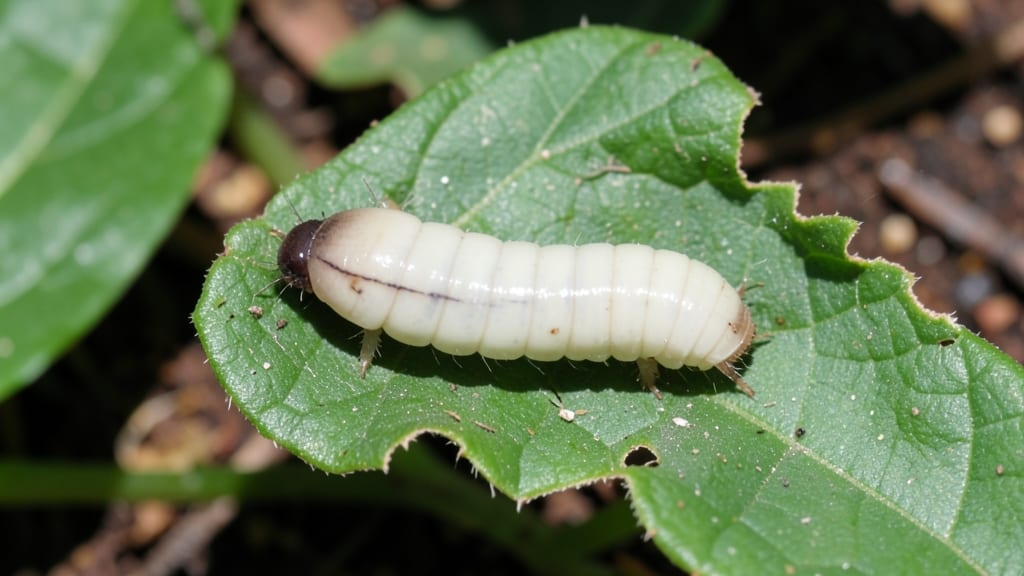
Mastering garden grubs identification is your first step to saving your lawn and plants from silent destruction—because these tiny invaders can turn seasons of growth into ruins. 🌱 I’ve spent years digging through soil to uncover these sneaky pests—some look like tiny white worms, others like fat, C-shaped larvae—and each one leaves a different kind of damage behind.
The key is knowing what to look for: chewed roots, wilting plants, or tunnels in the soil that give away their presence.
Most garden grubs fall into three main types: white grubs (beetle larvae), cutworms (stout, smooth larvae), and wireworms (hard-bodied, click-beetle larvae). White grubs are the most common culprits, munching on grass roots and making lawns look like they’ve been drought-stressed overnight.
Cutworms cut plants at the base, while wireworms burrow deep, attacking tubers and bulbs. Learning their habits helps you act fast before they ruin your garden.
Once you spot them, you’ll want to act quickly—whether that means encouraging natural predators like birds and toads or using organic treatments like neem oil or milky spore. The good news? Most grubs can be managed without harsh chemicals, and preventing them starts with healthy soil and proper watering.
You’ll feel a huge sense of relief the first time you spot fewer tunnels in your lawn.
This guide covers everything from visual identification tricks to long-term prevention strategies, so you can protect your garden without guesswork. Whether you’re dealing with a small patch of damage or a full-blown infestation, knowing what’s chewing on your plants puts you back in control.
Let’s get started with the first steps to spot and stop them.
Why it happens
Garden grubs aren’t just random pests—they’re the result of a perfect storm of environmental conditions, plant choices, and even human habits. Understanding why these destructive larvae show up in your garden is the first step to stopping them before they cause serious damage.
Below, we break down the key factors that turn your soil into a grub buffet.
🌱 Soil Conditions That Invite Grubs
Grubs thrive in soil that’s rich in organic matter, moist, and well-drained—basically, the ideal conditions for healthy plant growth. Unfortunately, these same conditions also create a cozy home for their favorite food: grass roots and tender seedlings.
- High Organic Matter: Compost, mulch, or decaying plant material provides the energy grubs need to grow. While this is great for plants, it’s also a feast for larvae like Japanese beetle grubs or European chafer grubs.
- Moisture Retention: Grubs can’t survive in dry soil, so overwatering or poorly draining soil keeps them happy. Even slight waterlogging can create pockets where they multiply unchecked.
- Compacted or Disturbed Soil: Tilling or heavy foot traffic aerates the soil, making it easier for adult beetles to lay eggs just below the surface. Once hatched, the larvae burrow deeper, feasting on roots.
Pro Tip: 💡 If your soil is too perfect for grubs, try amending it with sand or grit to improve drainage while still keeping it fertile for your plants.
🌾 Plant Choices That Attract Grubs
Not all plants are equal when it comes to grub appetites. Larvae have a preference for certain species, especially those with soft, nutrient-rich roots. Common culprits include:
- Grasses (Lawns & Turf): The #1 target for grubs like the black turfgrass ataenius (a.k.a. the "black beetle"). A thick, lush lawn is like an all-you-can-eat buffet for these pests.
- Young Seedlings & Transplants: Tender roots of newly planted veggies (like corn, beans, or tomatoes) are a grub’s dream. They lack the defenses of mature plants.
- Root Crops (Carrots, Potatoes, Radishes): Grubs like the wireworm (click beetle larvae) burrow into these crops, turning them into riddled, inedible messes.
- Weak or Stressed Plants: Drought, disease, or poor soil health make plants more vulnerable. Grubs detect stressed roots through chemical cues and go straight for them.
Pro Tip: 🌡️ Rotate crops annually and avoid planting grub favorites in the same spot. If you’re dealing with wireworms, try planting mustard or radish cover crops—they repel larvae naturally.
🐞 Adult Beetles: The Unseen Egg-Layers
Grubs don’t just appear out of nowhere—they hatch from eggs laid by adult beetles. The type of beetle determines where and when grubs will invade:
| Beetle Type | Egg-Laying Season | Grub Activity Period | Favorite Host Plants |
|---|---|---|---|
| Japanese Beetle | June–July (peak in warm climates) | Late summer–fall (C-shaped grubs) | Grass, roses, grapes, beans |
| European Chafer | May–June (early summer) | Summer–early fall (white, C-shaped) | Lawns, corn, strawberries |
| Billbugs | Spring (overwintering adults) | Spring–summer (small, white, legless) | Grasses, golf courses, turf |
| Wireworms (Click Beetle Larvae) | Summer–fall (eggs laid in soil) | 1–3 years (slow developers) | Potatoes, grains, seedlings |
Adult beetles are often drawn to gardens by flowering plants (like roses or lilacs), which they feed on before laying eggs in the soil nearby. Once the eggs hatch, the grubs go to work underground.
Pro Tip: ✨ Set up beetle traps (like pheromone traps for Japanese beetles) in early summer to reduce egg-laying populations before grubs appear.
🌦️ Weather and Climate Factors
Grubs are highly sensitive to temperature and moisture, and their life cycles are tightly linked to seasonal changes:
- Warm, Humid Summers: Ideal for beetle activity. Japanese beetles, for example, emerge when soil temps hit 60°F+, and their larvae thrive in moist conditions.
- Mild Winters: In colder climates, many grubs die off in freezing temps. But in mild-winter zones, they survive longer, leading to larger infestations the next year.
- Heavy Rainfall: While grubs need moisture, too much water can drown beneficial nematodes (natural predators) while leaving grubs unharmed.
- Drought Stress: Paradoxically, drought can also trigger grub outbreaks. Stressed plants release more sugars into their roots, making them more attractive to feeding larvae.
Pro Tip: 🎯 Monitor your garden after unseasonably warm springs—this often signals an early beetle emergence and a coming grub invasion.
Fixing Grub Damage Fast
Now that you’ve identified the culprits—whether they’re Japanese beetle grubs, cutworms, or other hungry larvae—it’s time to reclaim your garden. The good news? Most grub problems can be solved with a mix of targeted treatments and preventive habits.
Below, we break down the best fixes based on the root cause, plus simple steps to keep your plants safe long-term.
🔥 Organic Fixes for Soil-Dwelling Grubs
If your plants are wilting, yellowing, or pulling up easily (thanks to grubs munching on roots), these methods will help without harsh chemicals.
🌱 Encourage Natural Predators
Grubs aren’t the only ones in the soil—birds, toads, and beneficial nematodes love them for dinner! Try these:
- 🐦 Attract birds: Install a birdbath or nest boxes to lure robins, starlings, and grackles (they gobble grubs like popcorn).
- 🐸 Boost toad populations: Keep a shallow dish of water in your garden (toads drink from the rim!) and avoid pesticides.
- 🔬 Use nematodes: Heterorhabditis bacteriophora nematodes are microscopic but mighty. Apply them to moist soil in early spring or fall (follow package instructions).
🍳 DIY Grub Traps (For Japanese Beetle Grubs)
Japanese beetle grubs are the worst offenders. Trap them with:
- 🔪 Dig up infested areas (focus on lawns near garden beds).
- 🚫 Remove grubs by hand—drop them in soapy water (they’ll drown instantly).
- 🌡️ Solarize the soil (for severe cases): Cover moist soil with clear plastic for 4–6 weeks in hot sun. The trapped heat kills grubs.
🌿 Adjust Watering & Soil Health
Healthy plants resist grubs better! Try:
- 💧 Water deeply but less often—grubs hate dry soil. Aim for 1–2 inches per week.
- 🌱 Add compost—rich, aerated soil encourages strong roots that grubs avoid.
- 🔥 Use milky spore bacteria (Bacillus popilliae): A natural, long-term solution for Japanese beetle grubs. Spread it on lawns in early fall.
🍳 Quick Fixes for Cutworms & Surface Grubs
Cutworms and other surface-dwelling larvae chew stems at night, toppling seedlings. Here’s how to stop them:
👨🍳 Collar Young Plants
- 📏 Cut a 2-inch strip of cardboard or aluminum foil and wrap it around seedlings, leaving 1 inch above soil level.
- ⏰ Check daily for cutworms crawling up the foil—squish them or drop them in soapy water.
🔪 Handpick at Night
- 🌙 Shine a flashlight on garden beds after dark—cutworms glow slightly (they’re camouflaged by day).
- 🐛 Pick them off and drown them in a bucket of soapy water.
🌡️ Use Diatomaceous Earth (DE)
- 💡 Sprinkle food-grade DE around plants—it’s a natural abrasive that dehydrates grubs.
- ⚠️ Reapply after rain (it loses effectiveness when wet).
💡 Prevention Tips: Stop Grubs Before They Start
The best defense? Break the grub life cycle with these habits:
| Problem | Prevention Fix | When to Do It |
|---|---|---|
| Japanese beetle grubs | Apply milky spore powder to lawns | Early fall |
| Cutworms | Remove garden debris (they hide in leaves) | Spring & fall cleanup |
| All grubs | Plant resistant varieties (e.g., nematode-tolerant grasses) | Before planting season |
| Soil-dwelling larvae | Rotate crops (don’t plant same family in same spot yearly) | Annual garden planning |
🎯 Pro Tips for Long-Term Control
- 🌱 Interplant with marigolds or garlic—their strong scents repel grubs.
- 🔥 Avoid over-fertilizing with nitrogen—grubs love lush, soft roots.
- 🐝 Support ladybugs & ground beetles—they eat grub eggs before they hatch.
Final Thought: Grubs are a nuisance, but with the right mix of natural predators, smart watering, and preventive habits, you can outsmart them. Start with one or two methods this season, and watch your garden bounce back—grub-free!
Frequently asked questions
How can I tell the difference between white grubs and cutworms?
White grubs are typically C-shaped, white or cream-colored, and have a hard, leathery skin—often found buried in soil near roots. Cutworms, on the other hand, are stout, smooth, and legless, usually gray or brown, and hide near the soil surface at night, chewing plant stems. White grubs are beetle larvae, while cutworms are moth larvae.
Why do I only see grubs after it rains?
Grubs surface more after rain because moist soil makes it easier for them to move upward in search of food. They also emerge when soil becomes too wet for their predators like birds or toads to dig them out. This is why early morning is the best time to spot and remove them.
Are all grubs harmful to my garden?
Not all grubs are destructive! Some, like those from dung beetles, actually help by breaking down organic matter. However, the most common garden pests—Japanese beetle grubs, European chafer grubs, and wireworms—are notorious for devouring roots and seedlings. Always identify them first before deciding on action.
Can I use store-bought nematodes to kill grubs?
Yes! Beneficial nematodes like Heterorhabditis bacteriophora are a fantastic organic solution. Apply them to moist soil in the early morning or evening, and water lightly afterward. They’ll seek out and infect grubs within 24-48 hours. Just avoid applying them when temperatures exceed 90°F.