Pests
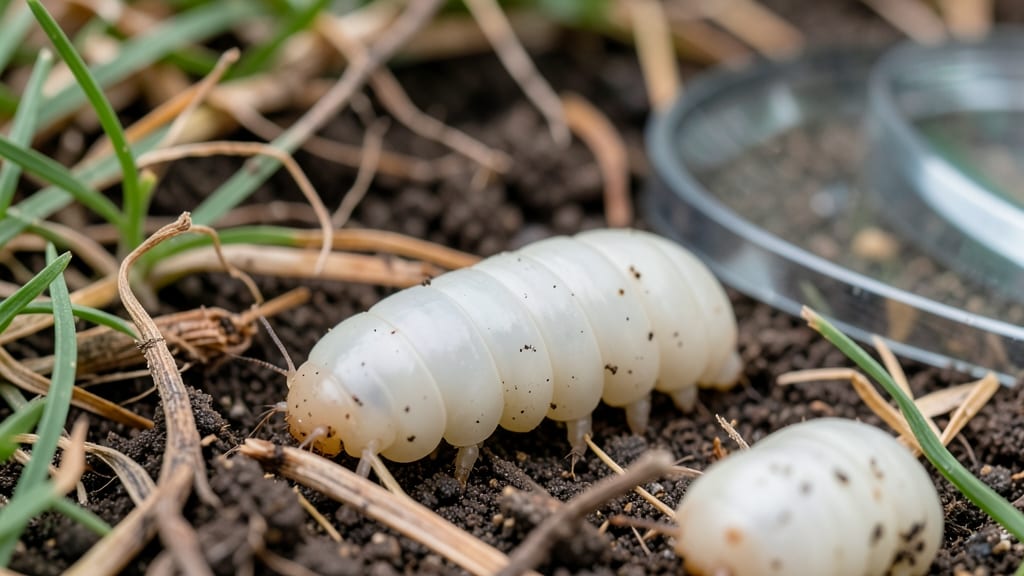
White garden grubs can turn your lush lawn into a skeleton in weeks if you don’t act fast. 🌱 I’ve seen firsthand how these C-shaped larvae chew through roots like a buffet, leaving brown patches that look like drought damage—until you dig and find the culprits.
The good news? You don’t need toxic chemicals to stop them.
The problem starts when adult beetles lay eggs in your soil, and those grubs thrive in moist, fertile ground—especially if you’ve got thick grass or mulch. Most gardeners panic and reach for pesticides, but that kills beneficial insects too.
Instead, I’ve found three foolproof organic methods that work just as well without harming your ecosystem.
By next spring, your lawn will stay green and strong, and you’ll know exactly what’s eating it. The secret lies in soil health, strategic timing, and a few simple tools you already have at home. Let’s get those grubs out for good—without the chemical cleanup.
Whether you’re dealing with a small patch or a full-blown infestation, these steps adapt to any yard size. The key is acting now, before they multiply. Here’s how to break their lifecycle without breaking the bank or the environment.
The Hidden Triggers Behind Grubs
White garden grubs—those C-shaped, pale larvae lurking beneath your lawn—don’t just appear out of nowhere. Their presence is often the result of a perfect storm of environmental factors, plant choices, and even human habits. Understanding why these pests thrive in your yard is the first step to stopping them organically.
Below, we break down the key causes, backed by science, so you can address the root of the problem—not just the symptoms.
Grubs love moist, soft soil because it’s the ideal nursery for their eggs and larvae. Here’s how your lawn might be unintentionally inviting them:
- Excessive irrigation: Overwatering keeps soil saturated, creating a damp, oxygen-rich environment that grubs adore. While your grass might look lush, it’s also a buffet for these pests. Rule of thumb: Water deeply but infrequently (1–1.5 inches per week) to encourage deeper root growth and reduce surface moisture.
- Poor drainage: Low-lying areas or clay-heavy soils trap water, turning your yard into a grub magnet. Test drainage by digging a small hole—if water pools after 6 hours, you’ve got a problem.
- Compacted soil: Heavy foot traffic, machinery, or clay soil compresses the earth, making it easier for grubs to burrow and harder for beneficial microbes to thrive. Fix it: Aerate your lawn in fall or spring to loosen the soil and improve oxygen flow.
💡 Pro Tip: If your lawn feels spongy underfoot or puddles after rain, compacted soil is likely the culprit. Rent a core aerator to create holes for water and air circulation—grubs will struggle to survive in well-aerated soil.
Not all grasses are equal when it comes to grub resistance. Some varieties are like an all-you-can-eat buffet for these pests, while others are naturally less appealing. Here’s the breakdown:
| Grass Type | Grub Risk Level | Why? |
|---|---|---|
| Kentucky Bluegrass | ⭐⭐⭐⭐⭐ (High) | Soft, tender blades are a grubs’ dream. This cool-season grass is widely planted but also widely targeted by pests. |
| Tall Fescue | ⭐⭐⭐ (Moderate) | Dense roots deter some pests, but grubs can still thrive in moist conditions. Less preferred than Kentucky Bluegrass but not immune. |
| Bermuda Grass | ⭐⭐ (Low) | Hardier and more drought-tolerant, making it less hospitable to grubs. Warm-season grasses like Bermuda are often less attractive. |
| Buffalo Grass | ⭐ (Very Low) | Native grasses with deep roots and tough blades naturally resist grubs and other pests. |
🌡️ Action Step: If you’re prone to grubs, consider transitioning to Bermuda or Buffalo grass in warm climates, or Fine Fescue in cooler regions. These grasses are less nutritious for grubs and more resilient to damage.
Grubs start as eggs laid by adult beetles, and these insects are very picky about where they deposit them. Here’s how they choose your lawn:
- Beetle species: The most common culprits are Japanese beetles and European chafer beetles. Both prefer laying eggs in well-maintained, nitrogen-rich grass—so a lush lawn is like a neon sign for them.
- Timing: Egg-laying peaks in late summer to early fall (August–September in most regions). Females burrow into the soil to deposit eggs, which hatch into grubs in 7–14 days.
- Moisture cues: Beetles use soil moisture levels to decide where to lay eggs. Dry soil? They’ll move on. Consistently damp soil? They’ll treat your yard like a daycare.
✨ Early Defense: Set up beetle traps in June–July (before egg-laying season) to catch adults before they reproduce. Just be cautious—traps can sometimes attract more beetles if placed too close to your lawn.
Grubs thrive on nitrogen, the same nutrient that makes your lawn green and fast-growing. Here’s the catch-22:
- Too much nitrogen: Over-fertilizing (especially with quick-release fertilizers) creates a high-protein environment that grubs love. They’ll multiply rapidly in these conditions.
- Slow-release vs. fast-release: Fast-release fertilizers spike nitrogen levels, while slow-release options provide steady, low doses. Grubs prefer the feast-or-famine cycle of fast-release.
- Organic matter buildup: Compost, manure, or leaf litter can also provide nitrogen, creating hidden hotspots for grubs. While organic, these aren’t always grub-proof.
🎯 Smart Fertilizing: Switch to a slow-release, organic fertilizer (like composted chicken manure or fish emulsion) and apply it in early spring or fall, not summer. Avoid high-nitrogen blends—aim for a balanced NPK ratio (e.g., 10-10-10).
By tackling these root causes—soil conditions, grass type, beetle activity, and fertilization habits—you’ll disrupt the grubs’ life cycle before they become a full-blown infestation. The key is prevention, not just reaction.
Start with one or two fixes this season, and watch those C-shaped invaders get a whole lot less comfortable in your yard.
Natural Ways to Eliminate Garden Invaders
Now that you understand why those pesky white grubs are wreaking havoc on your garden, let’s tackle them with effective, organic solutions that keep your soil—and your plants—thriving. Below, we’ve mapped out targeted fixes based on the root causes, plus prevention tips to stop future outbreaks.
---
If your garden soil is compacted or lacks diversity, grubs thrive in the chaos. Boost microbial activity to crowd them out naturally.
#### 🔥 Step 1: Aerate & Loosen the Soil Grubs love dense, airless soil—it’s their perfect hideout. Use a garden fork or aerator to break up compacted areas, especially around lawns and garden beds. Aim for 2–3 inches deep to disrupt their tunnels.
#### 🍳 Step 2: Introduce Beneficial Nematodes These microscopic predators (Steinernema carpocapsae) are grubs’ worst nightmare. Mix 5–10 million nematodes per 1,000 sq. ft. with water and apply in the early evening (they hate sunlight). Reapply every 4–6 weeks during grub season.
#### 👨🍳 Step 3: Compost Tea Fertilizer A homemade compost tea (steep compost in water for 24–48 hours, strain) introduces competitive microbes that outcompete grubs for food. Water your garden with this weekly during active growth periods.
💡 Pro Tip: Add a handful of wood ash (from untreated wood) to the soil—grubs hate the alkaline environment it creates.
---
If your grass is thinning or spongy (a classic grub sign), localized treatments will save your lawn without chemicals.
#### 🔪 Step 1: Handpick & Dispose For small infestations, dig up patches of turf (6–8 inches deep) and sift through the soil. Drop grubs into soapy water (they’ll drown instantly). Repeat weekly until no more appear.
#### ⏰ Step 2: Milky Spore Application (Long-Term Fix) This natural bacteria (Bacillus popilliae) infects grubs and spreads in your soil. Apply milky spore powder in early spring or fall, watering it in well. It takes 1–2 years to establish but provides decades of protection.
#### 🌡️ Step 3: Bird & Predator Encouragement Grubs are a buffet for birds, toads, and ground beetles. Install birdhouses, create toad-friendly habitats (like shallow water dishes), and avoid pesticides that kill their predators.
✨ Pro Tip: Plant neem trees or marigolds—their roots release compounds that repel grubs while attracting beneficial insects.
---
If your veggies or flowers are being munched underground, disrupt their life cycle with smart gardening.
#### 🌿 Step 1: Crop Rotation & Trap Cropping Grubs target corn, potatoes, and grasses. Plant garlic, onions, or chives nearby—their strong scent confuses grubs. After harvest, rotate crops to starve them out.
#### 🍎 Step 2: Diatomaceous Earth Barrier Sprinkle food-grade diatomaceous earth (DE) around plant bases and in soil. It dehydrates grubs on contact. Reapply after rain. ⚠️ Wear a mask—it’s dusty!
#### 🎯 Step 3: Coffee Grounds & Chili Pepper Spray Grubs hate spicy environments. Mix used coffee grounds into the soil (they also improve drainage) or spray a chili pepper solution (1 tbsp cayenne + 1L water) on affected areas.
💡 Pro Tip: Duck manure tea (steep duck manure in water for 2 weeks) is a grub deterrent—ducks naturally eat them!
---
The best defense? Stop them before they start. Here’s how:
- 🌱 Plant Grub-Repelling Herbs: Basil, mint, and thyme deter egg-laying adults. - 🕳️ Solarize Infested Soil: Cover soil with clear plastic for 4–6 weeks in summer—sun heats it to 120°F+, killing eggs and larvae. - 🐛 Monitor Egg-Laying Season: Adult Japanese beetles (common grub parents) emerge in late June–July.
Set up beetle traps far from your garden to catch them before they lay eggs. - 🌿 Mulch Strategically: Use straw or pine needles (not wood chips)—grubs avoid these over time. - 📅 Test Soil Moisture: Grubs need consistent moisture.
Let soil dry slightly between waterings to stress them out.
--- Final Thought: Consistency is key—grubs don’t vanish overnight, but with microbial allies, smart gardening, and predator power, you’ll reclaim your garden without a single chemical. 🚀
Frequently asked questions
What do white garden grubs look like up close?
These pests are C-shaped, cream-colored larvae about 1/2 to 1 inch long with a brown head. They have six tiny legs near their head and a smooth, legless body. Look for them in moist soil or under sod—if you see them, it’s time to act!
Are white garden grubs harmful to humans or pets?
No, they’re not dangerous to touch, but they can carry parasites if ingested in large quantities. Pets may accidentally eat them while digging, but it’s rare to cause serious harm. Always supervise pets in treated areas until solutions settle into the soil.
How long does it take for organic treatments to work?
Most natural methods like beneficial nematodes or milky spore take 4–6 weeks to show results, while immediate fixes like handpicking or diatomaceous earth work within 24–48 hours. Consistency is key—reapply treatments every 4–6 weeks during grub season.
Can I use neem oil to kill white garden grubs?
Neem oil is more effective against adult beetles than grubs. For larvae, mix it with soapy water and spray directly on soil, but expect limited results. Better options include nematodes or compost tea for long-term grub control.
Why do grubs keep coming back even after treatment?
Grubs have a 1-year lifecycle, so new eggs may hatch after treatments. Focus on prevention: improve drainage, aerate soil, and use milky spore for long-term protection. Adult beetles (parents of grubs) also return yearly—set traps in June–July to break the cycle.