
Pests and Diseases
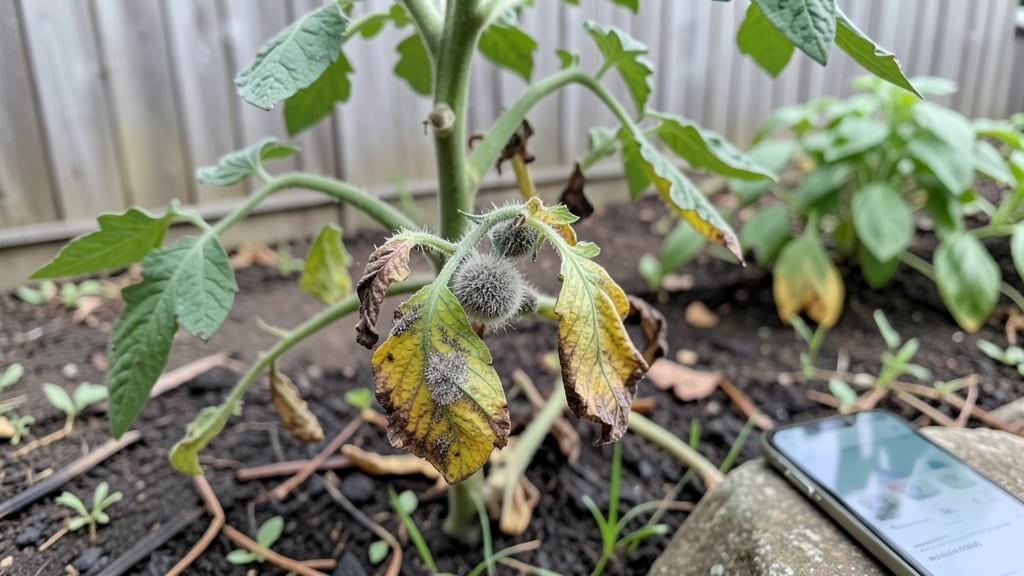
Mastering garden fungus identification doesn’t have to mean hours of guesswork—✨ I’ve spent years watching white powder spread on roses, orange spots form on leaves, and black mold creep across mulch—and now I can spot these issues in minutes.
The key is focusing on three details: what color the fungus is, which parts of the plant it attacks, and whether it leaves a fuzzy residue or sticky mess.
Most gardeners panic when they see fungus, but the right ID lets you act fast. Powdery mildew looks like dusting flour on leaves, rust fungi create orange pustules on undersides, and mold forms slimy black patches on soil or wood.
Each thrives under different conditions—too much shade, poor airflow, or wet foliage—and knowing the trigger helps you fix it before it spreads.
Once you recognize the pattern, solutions become straightforward. Prune infected leaves, improve airflow with spacing or trellises, and water at the base instead of overhead. Organic sprays like neem oil or baking soda mixtures work for mild cases, while severe outbreaks might need copper fungicides.
The goal isn't just to kill the fungus—it's to create an environment where your plants stay healthy.
This system works for lawns, vegetable patches, and ornamentals alike. Start with the most common offenders, then expand your skills to spot the rarer ones. With a little practice, you'll catch problems before they ruin your season—and that's what makes gardening rewarding.
Root Causes Of Fungal Growth
Fungal spores are everywhere in your garden—waiting for the right conditions to thrive. Understanding why fungi take hold helps you prevent outbreaks before they spread. Here’s a breakdown of the key factors that turn harmless spores into destructive garden invaders.
🌧️ Excess moisture and poor drainage
Fungi love damp environments because they thrive in high humidity and moisture. When soil stays soggy for too long—whether from overwatering, heavy rainfall, or poor drainage—fungal spores germinate and multiply rapidly. Some common moisture-related fungi, like Phytophthora (root rot) or Rhizoctonia (damping-off), attack weakened plants in waterlogged conditions.
- Why it happens: Fungi need moisture to grow and spread their mycelium (thread-like structures). Even dew or morning condensation can create ideal conditions on leaf surfaces.
- Actionable fix:
- Improve soil drainage with organic matter (compost or sand).
- Avoid watering in the evening—let foliage dry before nightfall.
- Use drip irrigation instead of overhead sprinklers to reduce leaf wetness.
🍄 Organic debris and overcrowded plants
Leaves, mulch, and dead plant matter provide food and shelter for fungi. When organic debris piles up—especially in shady, humid spots—it creates a perfect breeding ground. Overcrowded plants also restrict airflow, trapping moisture and allowing fungal spores to latch onto leaves and stems.
- Why it happens: Fungi decompose organic material, but when decomposition happens on living plants (like powdery mildew on roses), it becomes a disease. Dense foliage blocks sunlight and airflow, slowing evaporation and keeping surfaces damp.
- Actionable fix:
- Clear fallen leaves and plant debris regularly (especially after storms).
- Space plants properly for airflow—aim for 3–6 inches between leaves.
- Use coarse mulch (like wood chips) instead of fine mulch, which holds moisture.
🌡️ Temperature and seasonal shifts
Most garden fungi prefer moderate temperatures (60–80°F), with some thriving in cooler, damp springs or humid summers. Sudden temperature swings—like warm nights followed by cold mornings—can stress plants, making them more susceptible to fungal attacks. Warm, stagnant air (like in greenhouses or dense thickets) also accelerates spore release.
- Why it happens: Fungi like Botrytis (gray mold) or Alternaria (leaf spot) germinate best in these conditions. Cool, wet weather weakens plant defenses, while heat stress (like drought followed by sudden rain) shocks plants into vulnerability.
- Actionable fix:
- Monitor weather forecasts and adjust watering if rain is predicted.
- Use shade cloth in hot climates to reduce heat stress on plants.
- Space out planting to avoid seasonal overlaps that crowd the garden.
🌱 Weakened or stressed plants
Healthy plants resist fungi, but stress from nutrient deficiencies, pests, or physical damage opens the door for infections. For example, aphids feeding on leaves create sticky honeydew, which attracts sooty mold fungi. Similarly, nitrogen-deficient plants produce weak stems that snap under fungal weight (like Sclerotinia rot).
- Why it happens: Fungi exploit plants with compromised immune systems. Injuries (like pruning cuts) or imbalances (too much phosphorus, not enough potassium) weaken cell walls, making them easier targets.
- Actionable fix:
- Test soil annually and amend with balanced fertilizer (look for NPK ratios like 10-10-10).
- Prune plants properly—avoid leaving stubs that trap moisture.
- Rotate crops to prevent soil-borne fungi from building up.
🛡️ Lack of natural predators or competition
In a balanced ecosystem, beneficial microbes (like Trichoderma) and insects (such as ladybugs) keep fungal populations in check. However, synthetic fungicides, heavy tilling, or monoculture gardening can disrupt this balance, allowing harmful fungi to dominate.
- Why it happens: Over-tilling destroys fungal networks that suppress pathogens. Chemical fungicides also kill beneficial fungi, leaving no competition for aggressive species like Armillaria (honey fungus).
- Actionable fix:
- Use compost teas or mycorrhizal fungi to boost soil health.
- Plant diverse species to create a resilient garden ecosystem.
- Limit tilling—hand-pull weeds instead when possible.
Pro Tip: 💡 Most fungal issues stem from one or more of these factors working together. Start by addressing moisture and airflow—these are the easiest to control and often the biggest culprits!
Quick Fixes for Garden Fungus
Once you’ve identified the type of fungus wreaking havoc in your garden, it’s time to tackle it head-on. The right approach depends on the culprit—whether it’s powdery mildew, rust, blight, or something more sinister.
Below, we break down practical solutions for each common fungus, including prevention tips to keep your garden healthy long-term.
🍄 Powdery Mildew: The Fluffy White Invader
Cause: Overcrowded plants, poor airflow, or high humidity. Fix:
- Remove infected leaves (🔪) and dispose of them in the trash—not the compost!
- Spray with a baking soda solution (1 tsp baking soda + 1 quart water + a drop of dish soap). Reapply every 7–10 days. (💡 Pro tip: Test on a small leaf first!)
- Improve airflow by pruning dense foliage or spacing plants further apart.
- Prevent recurrence: Water plants at the base (not overhead) and avoid nighttime watering.
🔥 Rust Fungi: Orange Spots on Leaves
Cause: Wet foliage, cool temperatures, and susceptible host plants (like roses or beans). Fix:
- Prune and destroy infected leaves immediately to stop spores from spreading.
- Apply neem oil (🌿) or copper fungicide as a preventive spray every 2 weeks.
- Rotate crops if rust is recurring—don’t plant the same family (e.g., tomatoes, potatoes) in the same spot yearly.
- Prevent recurrence: Space plants for better airflow and water in the morning so leaves dry quickly.
🍅 Blight: The Silent Killer of Tomatoes & Potatoes
Cause: Humid conditions, splashing water, or infected plant debris. Fix:
- Remove and destroy all infected plants (🚫 do not compost!). Burn or bag them.
- Use a fungicide like copper or chlorothalonil at the first sign of spots. Follow label instructions!
- Plant resistant varieties (e.g., ‘Defiant’ ph tomato for blight resistance).
- Prevent recurrence:
- Stake tomatoes instead of letting them sprawl (keeps leaves dry).
- Mulch with straw to reduce soil splashes.
- Avoid overhead watering.
🍄 Root Rot: The Underground Menace
Cause: Overwatering, poor drainage, or soggy soil. Fix:
- Stop watering immediately and let the soil dry out. (⏰ Wait 3–5 days before watering again.)
- Improve drainage by amending soil with compost or perlite, or raise beds slightly.
- Repot affected plants in fresh, sterile potting mix if possible.
- Prevent recurrence:
- Use pots with drainage holes.
- Water only when the top inch of soil is dry.
- Avoid heavy mulch around the stem base.
🌱 General Fungus Prevention: Keep It Clean!
No matter the fungus, these universal tips will help:
- Clean up debris (🧹 fallen leaves, old mulch) at the end of the season.
- Sterilize tools between uses with rubbing alcohol or a bleach solution.
- Rotate crops annually to disrupt fungus life cycles.
- Encourage beneficial fungi like mycorrhizae with compost—healthy soil = stronger plants!
Remember: Early action is key! The sooner you intervene, the easier it is to save your plants. 🌱✨
Frequently asked questions
How can I tell if a white powdery coating on leaves is fungus or something harmless?
If the white coating feels powdery to the touch and resembles flour or talcum powder, it’s almost certainly powdery mildew—a common fungal disease. Unlike harmless dust or pollen, powdery mildew often appears on the top of leaves, spreads rapidly, and can cause yellowing or curling. A quick test: rub your finger gently over the spot—if it leaves a faint white film, it’s fungus.
Why does fungus appear suddenly after a rainstorm?
Fungal spores need moisture to activate and grow, so heavy rain creates the perfect conditions for rapid outbreaks. Spores land on damp surfaces, germinate within 24-48 hours, and multiply when leaves stay wet. This explains why powdery mildew or rust often flares up after prolonged wet weather—it’s not just bad luck, it’s biology!
Can I use vinegar to treat garden fungus? If so, what’s the best ratio?
White vinegar can help with mild fungal issues like powdery mildew, but use it carefully! Mix 1 part vinegar with 3 parts water and spray directly on affected areas. Test on a small leaf first—vinegar is acidic and may burn some plants. For best results, apply on a dry morning and avoid overusing it, as it can also harm beneficial microbes in the soil.
Is it safe to compost plant debris with fungal spots?
No—composting infected plant material spreads spores and risks reinfecting your garden. Instead, bag infected leaves or debris in a sealed trash bag and toss it with regular garbage. For severe outbreaks, consider burning the debris (if allowed in your area) to eliminate fungal contamination completely.
How do I prevent fungal issues in a greenhouse?
Greenhouses trap moisture and heat, creating ideal fungal conditions. Start by improving airflow with fans, avoid overhead watering, and open vents daily to reduce humidity. Regularly clean surfaces with a 10% bleach solution (diluted) and sterilize tools between uses. Plant resistant varieties and space crops properly to minimize crowding.