
Tools
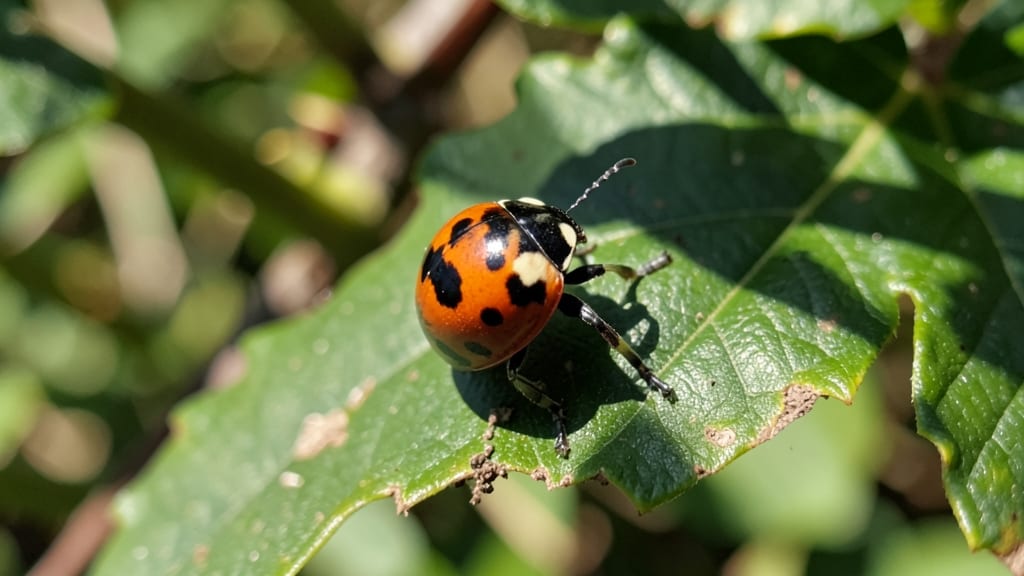
These garden bug photos will turn your guesswork into instant answers—no more squinting at tiny wings or scrambling for a magnifying glass. 🌿 I’ve spent years watching which insects show up in my yard, and the difference between "helpful" and "headache often comes down to tiny details most gardeners miss at first glance.
The key is knowing what to look for: wing patterns, body shape, and even color can tell you whether that beetle is a predator or a plant predator.
For example, a ladybug’s spotted back means it’s a pest-eating ally, while a lacewing’s delicate wings signal it’s your garden’s natural cleanup crew. Each photo in this guide highlights those telltale features so you can act fast.
You’ll walk away knowing exactly which bugs to welcome and which to manage—no more second-guessing when you see something crawling on your tomatoes. The right ID means you can protect your plants without overreacting, and sometimes, the best "pest control" is just letting nature handle it.
Ready to stop guessing and start gardening with confidence? This guide makes identification foolproof, whether you’re a beginner or a seasoned grower who’s just tired of the same old advice. Let’s get those bugs sorted!
The Hidden Triggers Behind Bugs
When your garden becomes a buffet for unwanted critters, it’s rarely just bad luck—there’s usually a specific reason they’ve moved in. Understanding these causes helps you take targeted action before the problem spirals. Here’s why your garden might be attracting bugs, from scientific roots to practical fixes.
Bugs like slugs, snails, and fungus gnats thrive in damp, soggy conditions. Overwatering creates the perfect microclimate for these pests:
- Fungal growth: Excess moisture encourages mold and mildew, which attract fungus-loving insects (like gnats).
- Soft soil: Slugs and pill bugs prefer loose, waterlogged dirt—they can’t survive in dry, crumbly soil.
- Root rot risk: Weakened plants (from overwatering) release volatile organic compounds (VOCs) that signal distress, luring predators like aphids.
Actionable fix: Test soil moisture with your finger—if the top 2 inches stay wet for >48 hours, cut back on watering. Use well-draining soil mixes (add perlite or sand) and raise beds slightly to improve airflow.
Garden ecosystems are a delicate balance. When natural predators (like ladybugs, lacewings, or birds) disappear, pests explode. Here’s why:
- Pesticide overuse: Broad-spectrum sprays kill both pests and their predators, creating a vacuum that pests rush to fill.
- Monoculture planting: Planting the same crops (e.g., rows of roses) offers no habitat diversity, so predator species can’t establish.
- Habitat loss: Removing leaf litter, rocks, or brush eliminates hiding spots for predators like ground beetles.
Actionable fix:
- Introduce native plants that attract predators (e.g., dill for lacewings, marigolds for ladybugs).
- Skip chemical sprays—use neem oil or insecticidal soap (targeted solutions that spare predators).
- Add bug hotels or pile up logs/leaves in corners for overwintering predators.
Compost piles, fallen fruit, and rotting wood aren’t just eyesores—they’re bug magnets. Here’s the science:
- Nutrient-rich decay: Decomposing matter releases ammonia and sugars, which attract flies, beetles, and even earwigs.
- Moisture traps: Rotting wood and mulch hold humidity, perfect for termites, carpenter ants, and slugs.
- Shelter for eggs: Dark, damp debris provides ideal conditions for pests to lay eggs (e.g., squash bugs in leaf litter).
Actionable fix:
- Turn compost regularly to speed decomposition and reduce fly populations.
- Remove fallen fruit daily (especially from trees like apples or peaches).
- Use wood chips (not bark mulch)—they decompose slower and deter some pests.
Plants under stress emit chemical signals that pests detect from miles away. Common stress triggers:
- Nutrient deficiencies: Yellowing leaves (from lack of nitrogen) attract aphids, while magnesium-deficient plants (yellow between veins) lure whiteflies.
- Drought or heat stress: Plants produce volatile organic compounds (VOCs) like jasmonic acid, which pests interpret as a “help, I’m vulnerable!” distress call.
- Disease presence: Fungal spots or viral discoloration release odor cues that pests (like spider mites) use to find easy meals.
Actionable fix:
- Test soil for deficiencies and amend with compost or slow-release fertilizer.
- Water deeply but infrequently (1–2 inches per week) to avoid shallow roots that stress easily.
- Prune dead or diseased branches immediately—don’t leave them on the ground.
Pro Tip: 🔍 Examine plants from the underside of leaves—this is where pests like aphids and mites hide and where stress signals are strongest. A quick flashlight check can reveal infestations before they spread.
Quick Fixes for Garden Pests
Got unwanted critters ruining your garden? Don’t panic—most pest problems have simple, effective solutions. Below, we’ve mapped common garden bugs to their fixes, so you can act fast and keep your plants thriving.
Cause: These sap-sucking pests cluster on new growth, leaving sticky residue (honeydew) and weakening plants. Fix:
- Blast them off 💦 with a strong stream of water from a hose (early morning works best).
- Spray soapy water (1 tsp mild dish soap + 1 quart water) directly on infested areas.
- Introduce natural predators like ladybugs or lacewings—they love aphids for breakfast.
Prevention: ✔️ Encourage beneficial insects by planting marigolds, dill, or fennel nearby. ✔️ Inspect new plants before bringing them indoors—aphids often hitch a ride.
Cause: These slimy invaders munch on leaves, stems, and even seedlings overnight, leaving telltale slime trails. Fix:
- Set up beer traps 🍺: Bury a shallow dish filled with beer—slugs crawl in and drown.
- Use diatomaceous earth (food-grade only) around plants to create a deadly barrier for their soft bodies.
- Handpick at night with a flashlight and drop them in soapy water (gross but effective!).
Prevention: ✔️ Remove hiding spots like mulch piles, boards, or dense foliage where they shelter. ✔️ Plant slug-resistant crops like rosemary, thyme, or geraniums as borders.
Cause: These microscopic pests thrive in dry, hot conditions, spinning webs and draining plant juices, causing yellowing leaves. Fix:
- Wipe leaves with a damp cloth to remove webs and mites (do this in the shade to avoid stressing plants).
- Spray neem oil (1 tsp neem oil + 1 quart water + a drop of dish soap) every 5–7 days until they’re gone.
- Increase humidity with a light misting or pebble tray to deter them.
Prevention: ✔️ Water deeply and regularly—mites hate consistent moisture. ✔️ Avoid over-fertilizing with nitrogen, which attracts them.
Cause: While ants themselves aren’t harmful, they farm aphids and other pests, protecting them in exchange for honeydew. Fix:
- Disrupt their trails with chalk, cinnamon, or diatomaceous earth—ants avoid these textures.
- Bait them naturally with borax or sugar-water mixtures (place far from plants to avoid killing beneficial insects).
- Remove aphid colonies (their food source) to make your garden less appealing.
Prevention: ✔️ Keep your garden tidy—ants love debris and moisture. ✔️ Plant mint or cloves near entry points to repel them naturally.
Cause: These tiny white bugs cluster on undersides of leaves, sucking sap and spreading viruses. Fix:
- Stick a yellow card under infested plants—whiteflies are attracted to it, making them easy to trap and dispose of.
- Spray with insecticidal soap (follow label instructions) for immediate knockdown.
- Use reflective mulch (like aluminum foil) to disorient them with light.
Prevention: ✔️ Inspect new plants thoroughly before adding them to your garden. ✔️ Encourage wasps (not the scary kind!)—parasitic wasps lay eggs in whitefly larvae.
Want to avoid pests long-term?
Try these proactive strategies: 💡 Rotate crops yearly to prevent soil-borne pests from building up. 🌡️ Mulch wisely—use straw or wood chips to retain moisture and deter crawling insects. 🎯 Plant companion plants like basil, garlic, or nasturtiums to repel pests naturally. ✨ Keep your tools clean—disinfect pruners and shovels between uses to avoid spreading diseases or pests.
Remember: Most garden pests are easy to manage with the right approach. Start with identification (check your garden bug photos guide!), then pick the fix that fits your garden’s needs. Happy gardening! 🌿🚀
Frequently asked questions about garden bug identification
How do I tell if a garden bug is helpful or harmful?
Look for key features in the photos: beneficial bugs like ladybugs have spotted backs and eat aphids, while harmful pests like Japanese beetles have metallic green bodies and chew leaves. Always check the mouthparts—predators have pincers, while plant-eaters have chewing mouthparts.
Why are my bug photos not matching any online guides?
Bugs change appearance based on life stage (larva vs. adult) or lighting. Take close-ups with natural light and include size references (like a coin) in your photos. Many garden insects have regional variations—check local entomology groups for help.
Can I use my smartphone to take clear garden bug photos?
Yes! Use your phone's macro mode (or a free app like "BugGuide") and place the bug on a plain white surface with good lighting. Avoid zoom—step closer instead. For tiny bugs, try placing them on a black card to make details pop.
What's the fastest way to identify a bug I found in my garden?
Start with the body shape, wing pattern, and color—these are the easiest features to spot. Use our visual guide first, then check the mouthparts if possible. For tricky cases, try uploading to iNaturalist.org—their community can help instantly.
Should I keep bugs that look like they might be beneficial?
Ladybugs, lacewings, and praying mantises are great allies. Gently relocate them to other parts of your garden where they can hunt pests. Avoid touching them with bare hands—use a soft paintbrush or cup method instead.