
Tools
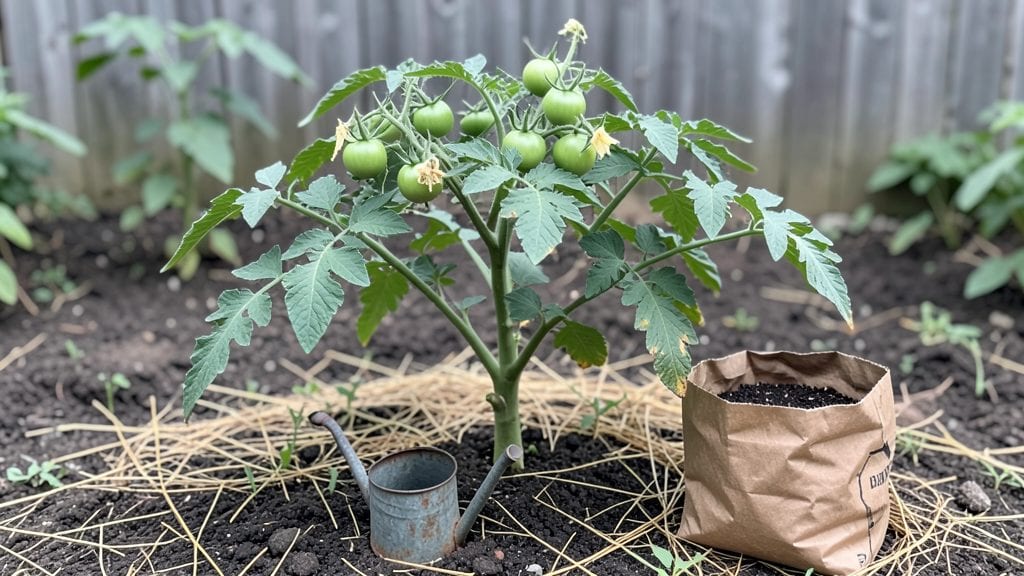
Facts about gardening show that soil microbes can increase plant growth by 40%, while strategic companion planting naturally repels pests. Surprisingly, most vegetables grow well with just 6 hours of sunlight daily, and mulching reduces weeds by up to 85% while locking in moisture. These science-backed gardening truths help even new gardeners avoid common pitfalls and achieve better harvests.
Understanding these gardening facts can completely change how you approach your garden. 🌱 For example, those soil microbes aren't just helpful—they're essential, forming a living network that helps roots absorb nutrients more efficiently.
Many gardeners also don't realize how much overwatering harms plants compared to drought, which is why checking soil moisture before watering can save your plants and your time. The beauty of these insights is that they turn guesswork into a science, making gardening more rewarding and less frustrating.
What's particularly fascinating is how companion planting works—certain plants release chemicals that deter pests when grown together. 💫 Take basil and tomatoes as a classic example: the basil repels flies and mosquitoes while improving tomato flavor. This natural pest control means fewer chemicals and healthier soil over time.
The same principle applies to sunlight needs: many leafy greens and herbs thrive in partial shade, so don't assume every plant needs full sun all day.
💡 In This Article
- Science-Backed Soil Secrets Every Gardener Should Know
- Beginner-Friendly Gardening Hacks for Maximum Yields
Science-backed soil secrets every gardener should know
The health of your garden starts beneath the surface, where soil microbes form an invisible network that processes nutrients and protects roots. These microscopic organisms—including bacteria, fungi, and protozoa—break down organic matter into forms plants can absorb, like nitrogen, phosphorus, and potassium.
Studies show that just 1 gram of healthy soil can contain up to 10 billion bacteria, all working to create a nutrient-rich environment.
The key here is diversity: soils with higher microbial diversity support plants better because different microbes handle different tasks, like decomposing complex organic matter or fixing atmospheric nitrogen.
One of the most powerful soil allies is mycorrhizal fungi, which form symbiotic relationships with plant roots. These fungi extend the root system by up to 100 times, creating a vast network that helps plants access water and nutrients from farther away.
Research from the Journal of Ecology found that plants with mycorrhizal associations grow 20-30% faster and are more resistant to drought and disease. The fungi receive sugars from the plant in return, creating a mutually beneficial partnership.
This is why adding compost or organic matter to soil doesn't just feed plants—it feeds the microbes that feed the plants.
Soil pH plays a critical role in determining which nutrients are available to plants. Most vegetables prefer a slightly acidic to neutral pH range of 6.0-7.0, while blueberries thrive in acidic soil around 4.5-5.5.
The pH scale measures hydrogen ion concentration, and extreme pH levels can lock out essential nutrients. For example, at pH 5.0, phosphorus becomes unavailable to plants, even if the soil contains plenty of it.
Testing your soil's pH with a simple kit and adjusting with lime (to raise pH) or sulfur (to lower pH) can make a dramatic difference in plant health and yield.
Organic matter—like compost, leaf mold, or well-rotted manure—does more than just add nutrients. It improves soil structure by binding tiny particles into larger aggregates, which creates pore spaces that allow air and water to reach roots.
These pores are crucial for root zone oxygenation, a process that prevents roots from suffocating in waterlogged soil. In fact, soils with 5% organic matter can hold 20% more water than those with 1% organic matter, while also providing better drainage.
This dual benefit explains why gardeners who add compost see healthier plants and fewer issues with root rot.
Here's what happens when you neglect soil health: compacted soil restricts root growth, while depleted soil lacks the microbial activity needed to cycle nutrients efficiently. The result? Plants struggle to access water and nutrients, even if you're fertilizing regularly.
The solution lies in building soil health over time through practices like cover cropping, reduced tillage, and regular additions of organic matter. These methods not only improve soil structure but also encourage beneficial microbial communities that work continuously to sustain plant growth.
One often-overlooked aspect is how soil temperature affects microbial activity. Most soil microbes are most active between 50-90°F, which is why spring and fall are ideal times to amend soil with compost.
During winter, microbial activity slows dramatically, which is why cold-season crops like kale and carrots often struggle in poorly prepared soil. By understanding these temperature-dependent processes, you can time soil amendments and planting schedules to maximize microbial benefits for your plants.