Advice
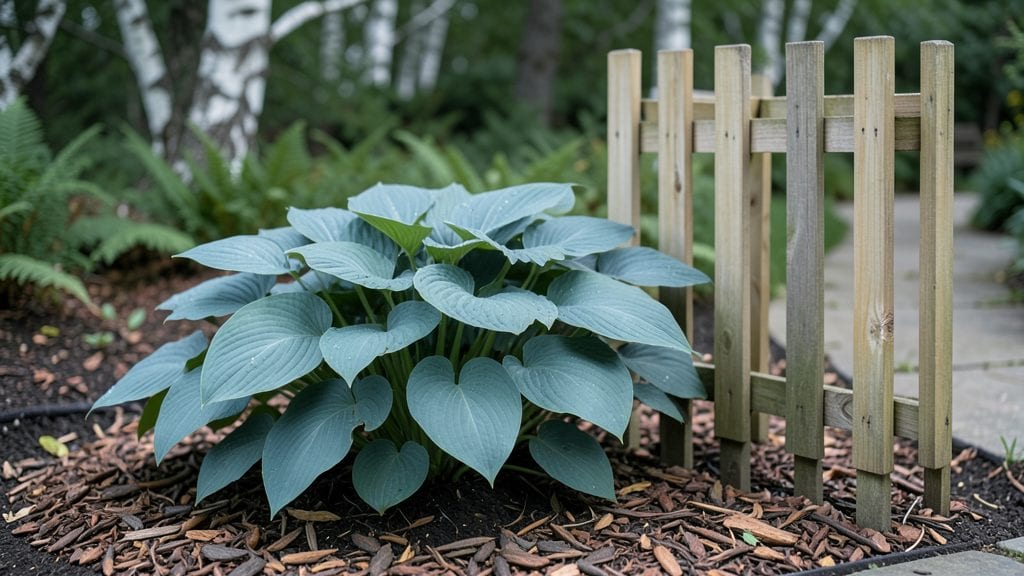
The best states for gardening offer ideal climates and soil conditions—California, Oregon, Washington, and Florida lead with year-round growing potential, while Texas, Georgia, and Michigan excel in diverse agricultural zones.
If you're dreaming of a thriving garden, location matters more than you might think.
These top states weren't chosen randomly—they combine perfect climate zones with soil types that make growing easier. 🌱 For example, Florida's humid subtropical climate thrives with citrus and tropical plants, while Michigan's cool summers and rich soil support hearty vegetables like potatoes and corn. The key difference?
Coastal states often have milder winters and more consistent rainfall, while inland states offer longer growing seasons and unique soil compositions. I always recommend checking your local USDA plant hardiness zone to match crops with your specific microclimate.
💡 In This Article
- Climate and Soil Factors in Top Gardening States
- Regional Gardening Specialties by State
Climate and soil factors in top gardening states
California's Mediterranean climate creates a gardener's paradise with 210-300 frost-free days annually, while coastal regions receive 20-40 inches of rainfall—ideal for vegetables and fruits. The state's diverse microclimates range from 50-100°F average annual temperatures, allowing year-round production.
Inland valleys like the Central Valley have low humidity and well-drained soils, perfect for vineyards and orchards.
Florida's humid subtropical climate thrives on 50-80 inches of annual rainfall, supporting tropical plants and citrus. The state's sandy soils (pH 5.5-7.5) drain quickly but require organic matter additions. Coastal areas benefit from moderate temperatures (70-90°F), while northern regions experience shorter frost-free periods (240-300 days).
This creates distinct growing zones where citrus thrives near the coast but vegetables prefer inland areas.
Michigan's cool temperate climate features 150-200 frost-free days and rich organic soils from glacial deposits. The state's pH 6.0-7.5 soils support hearty crops like potatoes and corn. Inland regions experience hot summers (75-85°F) and cold winters (-10 to 20°F), creating a shorter but productive growing season.
Coastal areas near Lake Michigan enjoy moderating lake effects that extend the season by 2-4 weeks.
Texas presents a dramatic contrast with 240-365 frost-free days depending on region. The eastern blackland prairies have deep, fertile soils (pH 6.5-7.5) perfect for cotton and grains, while the hill country offers limestone-based soils with excellent drainage.
Coastal areas receive 40-60 inches of rain annually, supporting rice and citrus, while western regions have arid conditions (10-20 inches) requiring irrigation.
Oregon's marine west coast climate delivers 36-75 inches of rainfall annually, creating lush conditions for berries and evergreens. The volcanic soils (pH 5.5-6.5) retain moisture while providing excellent drainage.
Coastal areas enjoy mild winters (35-50°F) and cool summers (60-75°F), while inland regions experience hotter summers (80-90°F) and colder winters (20-35°F). This creates microclimates perfect for both coastal and inland gardening.
Washington mirrors Oregon's climate but with even greater rainfall (20-100 inches) in western regions. The Cascade Mountains create a rain shadow effect, making eastern Washington semi-arid (8-20 inches) but ideal for apples and cherries.
Western soils are acidic (pH 5.0-6.0) from coniferous forests, while eastern soils are alkaline (pH 7.0-8.0) from basalt deposits. This dramatic soil variation supports both coastal gardens and inland orchards.
Georgia's humid subtropical climate combines 48-55 inches of rainfall with 240-280 frost-free days. The red clay soils (pH 5.5-6.5) are rich in iron oxides, perfect for peaches and pecans.
Coastal regions benefit from warmer winters (40-60°F), while inland areas experience hotter summers (85-95°F). This creates ideal conditions for both tropical plants and temperate vegetables.