Tools
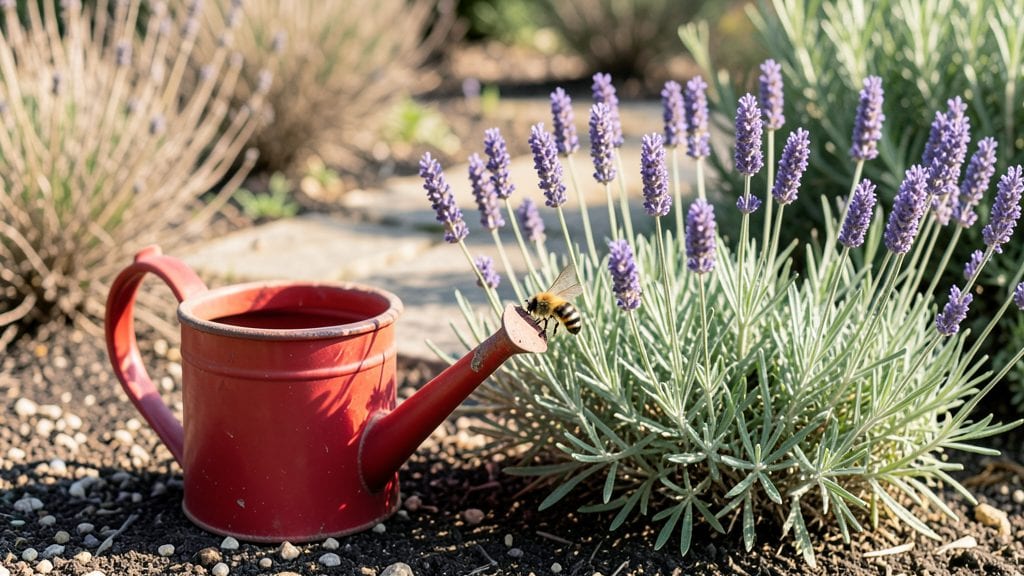
A bee-friendly garden isn't just about flowers—it's about creating a thriving ecosystem where pollinators feel at home year-round. ✨ I transformed my backyard from a patch of grass to a buzzing haven by focusing on native plants, layered blooms, and safe spaces for bees to nest and feed.
The results? More pollinators than I ever imagined, and a garden that stays vibrant even in winter.
Start with the right plants: native wildflowers like milkweed and coneflowers, plus herbs like lavender and thyme. These provide food from early spring through late fall, with evergreens like winterberry adding structure when other plants rest.
The key is diversity—mix heights, colors, and bloom times so bees always have options. I even added a small water source, like a shallow dish with pebbles, to keep them hydrated.
You'll notice the difference within weeks: bees lingering longer, more fruits and vegetables setting on nearby plants, and a garden that hums with life. The best part? It requires less maintenance than a traditional garden because healthy soil and pollinators do the work for you.
Once established, this system practically runs itself—just add more blooms as you go.
This approach works in any space, from urban balconies to rural acres. Whether you're starting fresh or revamping an existing garden, the principles stay the same: prioritize pollinators, and your garden will thrive in return. Ready to get started?
📚 In This Guide
- What you need
- Instructions
- Tips and common mistakes
- Wrapping up and next steps
What you need
- ● Native wildflowers (5+ varieties): Choose bee balm, coneflower, milkweed, or lavender (10-20 plants per type for optimal coverage).
- ● Herbs: Thyme, oregano, and rosemary (3-5 plants each).
- ● Perennial bloomers: Black-eyed Susans, bee-friendly sunflowers, or goldenrod (5-10 plants).
- ○ Tree saplings (optional but impactful): Fruit trees (apple, cherry) or native oaks (1-2 per garden).
- ● Gardening gloves (1 pair, lightweight for dexterity).
- ● Hand trowel (for precise planting).
- ● Pruners (bypass pruners for clean cuts).
- ● Watering can or hose with a gentle spray nozzle (avoid strong jets).
- ● Compost or organic fertilizer (1 bag, 10-20 lbs).
- ● Mulch (straw or wood chips) (2-3 cubic feet).
- ○ Bee water station (optional): A shallow dish with pebbles and water.
- ● A sunny spot (6+ hours of sunlight daily).
- ● Well-draining soil (amend with compost if needed).
- ● Space for diversity (even small balconies can fit window boxes!).
- ● Patience—some perennials take 1-2 years to fully bloom!
Step-by-Step instructions for creating a bee-friendly garden
Here's how to transform your space into a buzzing haven for pollinators all year long.
🌱 Step 1: Plan a Year-Round Bloom Sequence
Bees need consistent food sources, so I design my garden with three bloom seasons: early spring, mid-to-late summer, and fall. Start by selecting plants that flower sequentially—early bloomers like crocus and hellebore kick off the season, while late-season asters and goldenrod keep bees fed as summer winds down.
Write down your planting schedule with bloom times marked. For example, plant dwarf lilac in early spring for March blooms, then follow with bee balm for July-August, and finish with sedum for September-October. This ensures bees never go hungry between seasons.
🪴 Step 2: Choose Native Plants and Pollinator Favorites
Native plants are the backbone of a bee-friendly garden because they’ve co-evolved with local pollinators. I prioritize easy-to-grow natives like purple coneflower, black-eyed Susan, and butterfly weed, which attract bees with their open, accessible flowers. Avoid hybridized plants with double blooms—they often lack pollen.
Add a few bee magnets like lavender, thyme, and basil to your mix. These plants produce abundant nectar and pollen, and their strong fragrance signals to bees that food is nearby. Space them 12-18 inches apart to ensure easy access for all pollinators.
💧 Step 3: Provide Water and Shelter
Bees need water too, but they can’t drink from deep pools. I set up a shallow water source with pebbles or cork bark partially submerged—this creates landing spots while keeping bees from drowning. Place it near sunny, sheltered areas where bees can visit without predators lurking.
Add leaf litter, bare soil patches, and dense shrubs to create shelter. Bees like undisturbed ground to nest in, so avoid over-tidying. A small log pile or hollow stem (like from hollow-stemmed grasses) provides nesting spots for solitary bees, which make up 70% of bee species.
☀️ Step 4: Avoid Pesticides and Create Safe Zones
Pesticides are the #1 threat to bees, so I never use chemical sprays in my garden. Instead, I rely on neem oil for pests and hand-picking insects when needed. Even "bee-safe" pesticides can harm bees if applied at the wrong time—always spray after sunset when bees are less active.
Designate pesticide-free zones around your most bee-friendly plants. If you must treat for pests, focus on non-flowering areas like lawns or vegetable gardens. Bees will thank you by pollinating your crops better than store-bought help ever could.
⏰ Step 5: Maintain and Monitor Your Pollinator Haven
Check your garden weekly for signs of stress in your plants—wilting leaves, pest damage, or overgrowth can reduce blooms. Prune spent flowers to encourage continuous blooming, but leave some seed heads for winter food and nesting materials.
Keep a simple journal of which plants bees visit most. Over time, you’ll notice patterns—maybe basil gets more traffic in the afternoon, or lavender is a morning favorite. Adjust your planting accordingly to maximize bee activity.
Tips & tricks for perfect pollinator haven gardens
Creating a thriving bee-friendly garden takes more than just planting flowers—it's about thoughtful design and small details that make all the difference. Here's what I've learned from years of watching bees thrive in my own garden.
Seasonal Layering Secret: In Step 1, when planning your bloom sequence, I recommend adding one early spring bulb like crocus for every two summer bloomers you plant. This creates a natural progression that bees instinctively follow. For example, pair each purple coneflower with three daffodils—the daffodils will bloom first, then the coneflowers take over when bees need summer sustenance.
Plant Placement Strategy: When arranging your bee magnets in Step 2, place lavender and thyme near seating areas or walkways. These plants have strong fragrances that naturally draw bees—and humans!—closer to your garden. I've noticed bees visit basil most frequently in the afternoon, so I position it where I can enjoy watching them work while harvesting.
Water Source Design: For Step 3's shallow water source, I've found that adding a small fountain or dripping spout creates movement that attracts bees from farther away. The sound of running water mimics natural sources they'd find in meadows. Place your water station within 10-15 feet of your most visited flowers to create a complete pollinator oasis.
Pesticide-Free Zones: In Step 4, when creating safe zones, I recommend marking boundaries with native ground covers like creeping thyme. These plants suppress weeds naturally while clearly signaling to you where pesticides shouldn't be applied. I also keep a spray logbook to track when I last treated each area—this helps me remember which zones are currently safe for bees.
Pro Tips for Bee Friendly Gardening
- Creating a thriving bee-friendly garden takes more than just planting flowers—it's about thoughtful design and small details that make all the difference.
- Seasonal Layering Secret: In Step 1, when planning your bloom sequence, I recommend adding one early spring bulb like crocus for every two summer bloomers you plant.
- Plant Placement Strategy: When arranging your bee magnets in Step 2, place lavender and thyme near seating areas or walkways.
Frequently asked questions
Got questions about creating a buzzing bee-friendly garden? You’re not alone!
Here are answers to the most common queries to help you build a thriving pollinator paradise with confidence.
What are the easiest flowers to plant for bees?
Start with bee magnets like lavender, sunflowers, coneflowers, and native wildflowers. These blooms are hardy, low-maintenance, and packed with nectar. Pro tip: Choose native plants—they’re adapted to your climate and attract local bees best!
When is the best time to plant for year-round bee activity?
Plan for sequential blooms: Start with early spring flowers (like crocus or daffodils), transition to summer favorites (bee balm, cosmos), and add fall/winter options (asters, hellebores). Key: Avoid gaps—bees need food all seasons! Plant perennials for longevity.
Are there plants I should avoid in a bee garden?
Skip double-flowered varieties (e.g., peonies, some roses) or non-native invasives like butterfly bush (can spread aggressively). Also avoid pesticides—even "bee-safe" ones can harm pollinators. Swap: Opt for single-petal flowers or organic pest control (neem oil, companion planting).
How do I attract bees if my garden isn’t blooming yet?
No blooms? No problem! Offer alternative food sources:
- Leave leaf litter (bees nest in soil).
- Add a water source (shallow dish with pebbles).
- Plant fast-growing annuals (e.g., alyssum, bachelor’s buttons).
- Install a bee house for solitary species.
Patience pays off—bees will find you!
What do I do if bees seem aggressive in my garden?
Most bees are gentle! Aggression usually means they’re protecting their hive. Stay calm:
- Move slowly away (don’t swat).
- Avoid wearing bright colors or perfumes.
- If stung, clean with soap/water (don’t scratch!).
Note: Only <1% of bees sting—most are too busy pollinating to bother you!
Wrapping up and next steps
Creating a bee-friendly garden isn’t just about saving buzzing friends—it’s about nurturing a thriving ecosystem that benefits all of us! 🐝 With the right plants, design, and care, your garden can become a vibrant haven year-round, supporting pollinators while boosting biodiversity.
Start small, stay consistent, and watch your efforts bloom into something extraordinary.
Ready to take the next step? Pick one plant from this guide and add it to your garden this week—even a single flower makes a difference! Share your progress or ask questions in the comments; we’d love to see your pollinator paradise grow!