
How To
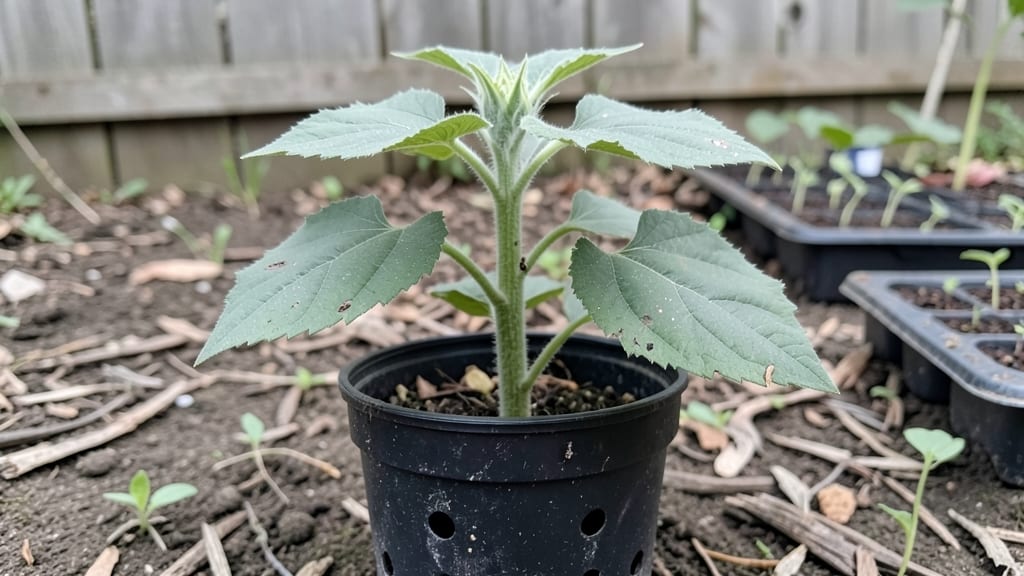
Children's garden projects encourage creativity and learning while teaching sustainability, using recycled materials like plastic bottles, egg cartons, and cardboard to grow plants like herbs, flowers, or veggies with minimal adult supervision.
These projects turn everyday household items into vibrant learning tools that spark curiosity about nature and growth. 🌱 The beauty of using materials like plastic bottles or cardboard is that they're not just eco-friendly—they also teach kids about repurposing waste in practical ways.
For example, a plastic bottle can become a self-watering planter, while egg cartons create perfect compartments for seedlings, making the process both fun and educational.
What's great about these activities is how they adapt to different skill levels. Younger kids can start with simple seed planting in egg cartons, while older children might tackle more complex projects like building a mini greenhouse from a clear plastic container.
The hands-on nature of gardening helps develop fine motor skills, patience, and a sense of responsibility as they watch their plants grow over time.
💡 In This Article
- Sustainable Materials for Kid-Friendly Gardening
- Step-by-Step DIY Garden Projects for Kids
Sustainable materials for kid-friendly gardening
Recycled materials shine in children's garden projects because they combine practicality with environmental responsibility. Plastic bottles, for instance, create self-watering planters by cutting them in half and adding drainage holes. The thick plastic retains moisture while allowing excess water to escape, mimicking natural soil conditions.
This design reduces water waste by up to 30% compared to traditional pots, as the bottle's walls regulate evaporation.
The science behind these materials is fascinating. Cardboard, for example, breaks down naturally when composted, but when used as planters, its fibrous structure holds soil perfectly for seedlings. Egg cartons offer another advantage: their individual compartments prevent root tangling and allow precise spacing for each seedling.
The cardboard's moisture retention is 20-25% better than bare soil, giving young plants a head start. What's more, these materials are lightweight, making them easy for little hands to handle while eliminating the risk of heavy ceramic pots.
Cost-effectiveness is another major benefit. A single plastic bottle costs nothing, while egg cartons are often free after grocery trips. This makes gardening accessible for families on any budget.
The environmental payoff is immediate too: repurposing these items diverts over 1 million tons of waste from landfills annually in the U.S. alone. Kids learn firsthand how small actions create big impacts, turning abstract concepts about sustainability into tangible experiences.
Safety is built into these materials too. Unlike broken glass or sharp metal, plastic bottles and cardboard have smooth edges that won't harm curious fingers. Many recycled materials also contain no harmful chemicals - unlike some new plastics that may off-gas - making them ideal for young gardeners.
The key is proper preparation: rinsing containers thoroughly removes residue that could inhibit plant growth or pose health risks.
For sensory engagement, consider the textures: plastic bottles feel cool and smooth, egg cartons have that familiar egg-shaped pattern, and cardboard offers a slightly rough surface. These tactile differences make each material uniquely satisfying to work with.
The visual appeal matters too - clear plastic bottles let kids see roots growing, while painted cardboard planters can become colorful garden art. This multisensory approach keeps children invested in the process from start to finish.
What most parents don't realize is how these materials support plant biology. The air pockets in egg carton cardboard actually improve aeration around roots, while plastic's thermal mass helps maintain stable soil temperatures.
These subtle advantages give young plants the perfect growing conditions without requiring special equipment. The result? Healthier plants that grow faster and teach kids about plant care through immediate, visible success.