Landscaping
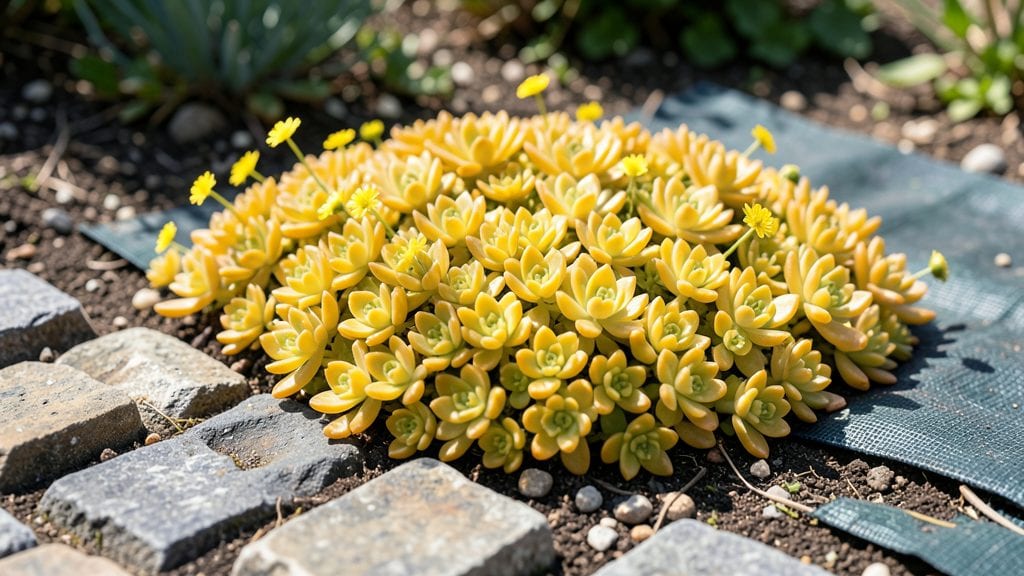
Cobble garden edging creates defined garden beds using natural stone for lasting durability and rustic appeal, while also controlling soil erosion and suppressing weeds. Opt for irregular or uniform stones to match your design vision, then lock them in place with adhesive or sand for a clean, long-lasting edge.
Cobble garden edging transforms ordinary garden beds into polished, long-lasting features that require minimal maintenance. The natural stone options—like bluestone or granite—offer both visual texture and structural integrity, making them ideal for high-traffic areas or slopes where other materials might fail. 🔥 I’ve found that irregular cobbles create a more organic, cottage-garden look, while uniform stones deliver a sleek, modern contrast. The key to success lies in proper base preparation: compacted gravel or landscape fabric prevents shifting over time, while adhesive ensures stones stay firmly in place even after heavy rain.
💡 In This Article
- Selecting Cobble Types for Garden Edging
- DIY Cobble Edging Installation Guide
Selecting cobble types for garden edging
When choosing stone for garden edging, the type of cobble dramatically impacts both function and appearance. River rocks offer lightweight, irregular shapes that create a natural, organic look while allowing excellent drainage—ideal for slopes or areas with poor soil.
Their smooth texture also makes them easier to handle during installation, though they require more adhesive to stay in place. Bluestone, on the other hand, delivers a heavier, more stable option with its flat, layered structure, perfect for high-traffic paths where durability is critical. 🔥
Granite brings unmatched hardness (typically 6.5-7 on the Mohs scale) and color variety, from soft pinks to deep grays, making it resistant to weathering and ideal for formal gardens.
Slate, with its slate-gray hue and natural cleavage, provides a sleek, uniform edge that resists erosion but may crack under heavy foot traffic.
The weight difference alone is striking: river rocks average 1-3 pounds each, while slate flagstones can weigh 15-30 pounds per square foot, requiring heavier base preparation.
Cobble size directly influences both cost and stability. Small pebbles (1-2 inches) create a delicate, decorative border but may shift without proper adhesive, while larger stones (3-6 inches) provide structural integrity for pathways.
For high-traffic areas, I recommend 3-4 inch granite or bluestone laid in a staggered pattern—this interlocking design distributes weight and prevents sinking. Decorative edges can use smaller, irregular stones secured with landscape adhesive for a more fluid look. 💫
Color and texture also affect maintenance. Light-colored stones like granite reflect heat, which can be problematic in hot climates unless paired with shade plants. Darker slate absorbs heat but may develop moss over time in damp areas.
The key is matching the stone's natural properties to your climate: river rocks excel in dry regions, while slate thrives in cooler, moist environments. For example, a bluestone border in a New England garden will weather beautifully over decades, whereas river rocks might erode faster in a southern climate.
Budget considerations often hinge on regional availability. Local river rocks can cost as little as $1-$3 per square foot, while imported granite may reach $10-$20 per square foot. However, the labor for heavy stones like slate can add 20-30% to total costs due to specialized installation requirements.
Always factor in transportation costs—large stones require heavy equipment to move, which can double the price for remote properties. 🌟
Pro tip: Test a small section first. Place your chosen stones in a 1-foot test strip and observe how they interact with your soil and sunlight over a week. This reveals whether the stones will shift, develop algae, or require additional stabilization.
The right cobble type should enhance your garden's natural beauty while standing up to its specific challenges. ✨