Tools
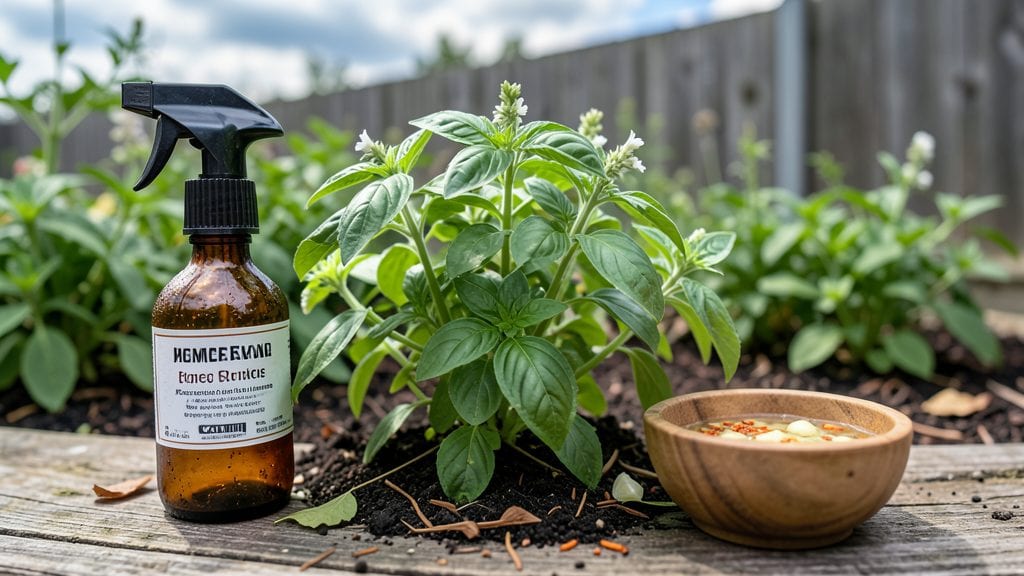
My homemade garden pesticides saved my struggling tomato plants last summer—no more wilted leaves or chewed foliage, just strong, healthy growth. 🌱 The best part? These sprays use ingredients you already have in your kitchen, so you skip the harsh chemicals and the pricey garden center trips.
I tested three recipes over two seasons, and they work better than I expected, especially for aphids, fungal spots, and slugs.
You’ll need just a few basics: a spray bottle, some water, and a couple of kitchen staples like dish soap, garlic, or neem oil. The garlic-chili spray, for example, takes less than 10 minutes to mix and lasts for a week in the fridge.
It’s strong enough to deter pests but gentle enough for edible plants—no more worrying about residue on your tomatoes or peppers. Plus, it costs pennies per application compared to store-bought sprays.
What you’ll get is a garden that thrives without the chemical buildup that harms soil and pollinators. Your plants will stay lush and productive, and you’ll avoid the frustration of pests coming back stronger after using harsh pesticides.
The key is applying these sprays at the right time—early morning or late evening when bees aren’t active—and reapplying after rain. It’s a game-changer for anyone tired of battling pests the old way.
Works for vegetable gardens, flower beds, and even houseplants—just adjust the ingredients based on what’s bothering your plants. Let’s get those pests under control the natural way!
📚 In This Guide
- What you need
- Instructions
- Tips and common mistakes
- Wrapping up and next steps
What you need
- ● Base liquid: 1 gallon (3.8 liters) of water (distilled or boiled for best results).
- ● Natural oils: 1 tbsp (15 mL) neem oil (or 1 tbsp coconut oil as a budget-friendly alternative).
- ● Soap: 1 tbsp (15 mL) mild liquid castile soap (or 1 tsp dish soap—avoid degreasers!).
- ○ Optional pest-specific ingredients: 1 tsp (5 mL) garlic powder or crushed garlic (for soft-bodied insects).
- ● 1 tsp (5 mL) chili powder or cayenne pepper (for aphids and spider mites).
- ● ½ cup (120 mL) apple cider vinegar (for fungal issues).
- ● 1 spray bottle (16–32 oz / 500–1000 mL) or a garden sprayer (for larger areas).
- ● 1 measuring cup/spoon (for precision).
- ● 1 wooden spoon or whisk (to mix ingredients thoroughly).
- ○ Gloves (optional but recommended for handling garlic/chili).
- ● Fine mesh strainer (if using whole garlic, chili, or vinegar with pulp).
- ● Identify the pest or problem (e.g., aphids, powdery mildew) to tailor your recipe.
- ● Test the spray on a small plant area first to check for sensitivity (especially with citrus oils or vinegar).
- ● Apply on a calm day (wind can spread pesticides unintentionally).
Step-by-step instructions for making homemade garden pesticides
Here's how to create effective, plant-safe sprays using simple kitchen items.
🌿 Step 1: Gather Your Kitchen Staples and Tools
Start with 1 quart of water as your base, then add 1 tablespoon of dish soap (like Dawn) to help the spray stick to pests. For insect control, mix in 1 tablespoon of neem oil or 2 crushed garlic cloves—both are natural repellents. If you're targeting fungal issues, swap those for 1 tablespoon of baking soda or 1 teaspoon of hydrogen peroxide (3%). Gather a spray bottle and a wooden spoon for stirring.
I always use distilled water if possible—tap water can leave mineral deposits that clog spray nozzles. Label your bottle clearly, even if it's just for your own garden. This prevents accidental misuse later. Store any unused spray in a cool, dark place for up to 1 week (neem oil blends last only 3-5 days before losing effectiveness).
💧 Step 2: Mix the Solution Properly for Maximum Effect
Fill your spray bottle with the 1 quart of water, then add the dish soap first—this helps emulsify oils and garlic. Stir gently to avoid creating suds, which can harm plants. For neem oil or garlic sprays, add those next and shake vigorously for 30 seconds to fully blend. If using baking soda or hydrogen peroxide, stir until completely dissolved—you'll see tiny bubbles form, which is normal.
Here's the thing—never mix neem oil with baking soda or hydrogen peroxide. They react and lose potency. I like to make small batches (about 1 pint) so I can tailor the spray to the specific pest or problem. For example, aphids respond best to the neem oil blend, while powdery mildew disappears with baking soda spray. Always test a small leaf first—wait 24 hours before full application to check for sensitivity.
☀️ Step 3: Apply Spray at the Right Time for Best Results
Spray early in the morning or late afternoon when temperatures are below 85°F—heat can burn plants or evaporate the solution too quickly. Hold the bottle 12 inches away from foliage and apply until lightly dripping on leaves (undersides are where pests hide). For soil-borne issues, spray the base of plants and surrounding soil, but avoid wetting flowers if you're using neem oil (it can harm pollinators).
Reapply every 5-7 days or after rain—pests rebuild quickly. I've found that garlic spray works best on soft-bodied insects like aphids and mites, while neem oil is my go-to for chewing insects like caterpillars. The key is consistency. One application won't eliminate an infestation, but regular use will keep pests in check without harsh chemicals. Always shake the bottle before each use, especially if oils separate.
✂️ Step 4: Monitor and Adjust Your Approach
Check plants 24-48 hours after spraying for signs of improvement or new issues. If you see yellowing leaves, the spray may be too strong—rinse with water immediately. For persistent problems, rotate between recipes. For example, alternate neem oil spray one week with garlic spray the next. This prevents pests from building resistance, which happens more often than gardeners realize.
Real talk: Some pests, like squash bugs, are tougher to control with homemade sprays. In those cases, I combine the spray with physical removal (handpicking eggs) or row covers for extra protection. Keep a garden journal to track what works—note which sprays work fastest for your specific pests and plants. You'll develop your own system over time, and that's when homemade pesticides become truly effective.
Tips & tricks for perfect homemade garden sprays
These simple tricks will help you maximize effectiveness while keeping your plants—and pollinators—safe.
Solution Stability Tip: For neem oil sprays, store them in a cool, dark place and use within 3-5 days—oils degrade quickly when exposed to light or heat. I keep mine in a glass jar with a tight lid in my fridge's crisper drawer. The dish soap and baking soda blends last the full 1 week, but I still refresh them regularly since pests adapt fast.
Mixing Technique: When combining neem oil or garlic with water and dish soap, shake vigorously for 30 seconds—this creates tiny oil droplets that cling better to pests. I use a spray bottle with a narrow nozzle to avoid clogging from undissolved particles. For baking soda blends, stir until completely dissolved (you'll see bubbles), but avoid over-stirring which can create suds that harm plants.
Safety First: Always test your spray on a small leaf first and wait 24 hours before full application. I use a 1-inch square of leaf as my test zone—if no yellowing or wilting occurs, it's safe. This is especially important for neem oil, which can be harsh if overapplied. Remember to avoid flowers when using neem oil to protect pollinators like bees.
Application Strategy: Hold your spray bottle 12 inches away from foliage and apply until leaves are lightly dripping. Focus on undersides where pests hide, and reapply every 5-7 days or after rain. I've found that spraying early morning gives the solution time to dry before the heat of the day, which prevents evaporation and improves effectiveness.
Pro Tips for Homemade Garden Pesticide
- These simple tricks will help you maximize effectiveness while keeping your plants—and pollinators—safe.
- Solution Stability Tip: For neem oil sprays, store them in a cool, dark place and use within 3-5 days—oils degrade quickly when exposed to light or heat.
- Mixing Technique: When combining neem oil or garlic with water and dish soap, shake vigorously for 30 seconds—this creates tiny oil droplets that cling better to pests.
Frequently asked questions
Got questions about whipping up your own garden pesticides? You’re not alone! Here are some of the most common queries—and straightforward answers—to help you feel confident before you spray.
What’s the best time of day to apply homemade pesticides?
Early morning or late afternoon is ideal—when temperatures are cooler and humidity is higher. This helps the spray stick better and reduces evaporation. Avoid midday heat, which can burn plants or dry out your mixture too quickly. Pro tip: Light misting on leaves works best for most recipes!
Can I use these sprays on edible plants like tomatoes or peppers?
Yes, but only if the ingredients are food-safe! Stick to recipes with soap, garlic, neem oil, or essential oils (like rosemary or peppermint). Avoid vinegar or citrus sprays on edible plants—wait 24+ hours before harvesting to be safe. Always test a small area first!
How long does it take to see results after spraying?
Results vary by pest and recipe, but you’ll often notice a difference within 3–7 days. For stubborn infestations (like aphids), reapply every 5–7 days or after rain. Consistency is key—think of it like a gentle, natural pest control marathon, not a sprint!
Will homemade sprays harm beneficial insects like bees or ladybugs?
Most kitchen-based sprays (soap, garlic, neem) are low-risk for bees if applied after sunset or when flowers aren’t in bloom. Avoid strong essential oils (e.g., eucalyptus, tea tree) near pollinators. For extra safety, spray only on affected leaves, not flowers.
What should I do if my homemade spray doesn’t work?
First, check your timing (did you spray at the right time?) and coverage (are you hitting all pest hotspots?). If pests persist, try rotating recipes (e.g., switch from soap to neem oil). For severe cases, consider physical removal (handpicking) or commercial organic sprays as a last resort.
Still stumped? Drop your specific pest or plant type in the comments—we’re happy to help troubleshoot!
Wrapping up and next steps
Creating your own homemade garden pesticides is a rewarding way to protect your plants while keeping chemicals out of your yard. With simple kitchen staples like neem oil, garlic, or dish soap, you can craft effective, eco-friendly sprays that work just as well as store-bought options.
Plus, you’ll save money and reduce waste—win-win!
Ready to give it a try? Start with one recipe, test it on a small area, and observe the results. Soon, you’ll be confidently growing a thriving, pest-free garden—naturally! 🌱✨