Container Gardens
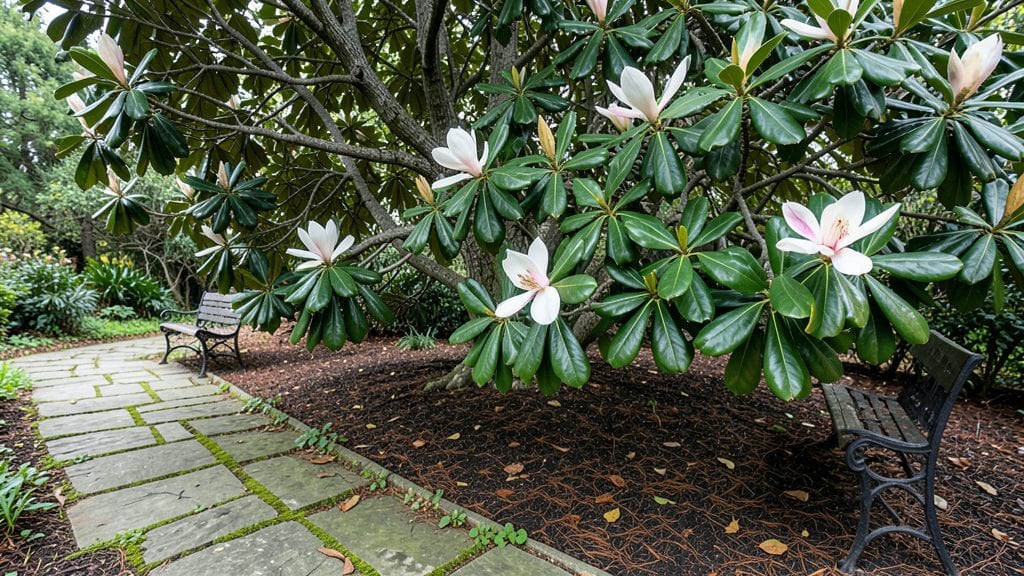
Butchart Gardens history begins in 1904 when Jennie Butchart transformed a limestone quarry into a stunning botanical display, evolving into Canada’s most visited garden through visionary landscaping and global plant introductions.
The story of Butchart Gardens starts with an unlikely vision: turning a once-industrial limestone quarry into a breathtaking floral wonderland. 🌿 Jennie Butchart's innovative approach—combining natural rock formations with meticulously designed terraces—created a landscape that felt both wild and carefully curated.
Over the decades, the gardens expanded to include themed sections like the Sunken Garden and Japanese Garden, each telling its own story through plants and architecture.
What makes this history remarkable is how the gardens adapted to changing times. From early 20th-century floral displays to modern conservation efforts, Butchart Gardens has always stayed ahead of trends while preserving its original charm.
Today, it stands as a testament to how visionary thinking can transform even the most unlikely spaces into something extraordinary.
💡 In This Article
- How Limestone Quarry Became a Botanical Masterpiece
- Key Milestones in Butchart Gardens Evolution
How limestone quarry became a botanical masterpiece
The transformation of Butchart Gardens began with a 20-acre limestone quarry carved into the Saanich Peninsula's rugged terrain. Jennie Butchart faced a monumental challenge: repurposing the quarry's steep, vertical walls and uneven surfaces into something beautiful.
The solution? Hydraulic engineering and terraced landscaping that turned the quarry's natural contours into dramatic garden features. 💫
The most iconic innovation was creating multi-level terraces using the existing rock formations. Workers carefully excavated and reinforced the limestone walls to support these terraces, which range from 3 to 15 feet in height.
The Sunken Garden, for instance, sits 30 feet below the original quarry rim, requiring precise water management to prevent erosion. This engineering allowed for controlled water flow, creating the stunning waterfalls and pools that became garden signatures.
Jennie's vision blended geology with horticulture by selecting plants that thrived in the quarry's microclimates. The Italian Garden, for example, features drought-resistant Mediterranean species like lavender and rosemary that flourish in the limestone soil's alkaline conditions.
Meanwhile, the Japanese Garden incorporated traditional elements like koi ponds and carefully pruned maples, demonstrating how different cultures could coexist within the same landscape. 🌿
One often-overlooked detail is how the quarry's natural drainage patterns were repurposed. Instead of fighting the site's water flow, designers used it to create cascading water features. The Rosemary Garden's terraces, for instance, channel water through 300-foot-long limestone channels that double as planters.
This dual-purpose design not only beautified the space but also solved practical water management issues that would have plagued conventional gardens.
The engineering extended underground too. Jennie commissioned tunnels through the limestone cliffs, creating hidden pathways that offered visitors dramatic views of the gardens from unexpected angles. These tunnels, some spanning 50 feet in length, were lined with native ferns and mosses that thrived in the cool, shaded conditions.
The result was a three-dimensional garden experience that played with light and shadow in ways flat landscapes couldn't match. ✨
What makes this transformation so remarkable is how it combined Victorian-era horticultural techniques with Industrial Revolution engineering. The quarry's original blasting equipment was repurposed to create dramatic rock formations, while the terraces were built using concrete reinforced with limestone rubble—a sustainable approach that preserved the site's natural materials.
This fusion of old-world craftsmanship with modern engineering set a precedent for adaptive reuse that still inspires landscape architects today. 🔥