
Pests
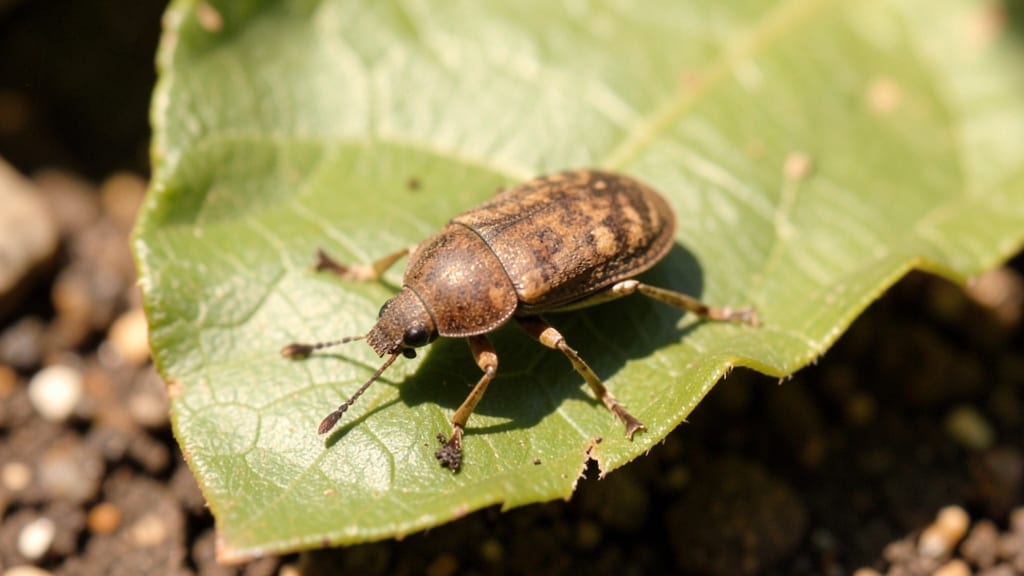
That brown garden beetle’s relentless munching leaves your plants with chewed leaves and ragged petals. That’s the work of brown garden beetles, and I’ve spent three summers learning how to outsmart them. 🌿 The first time I spotted their telltale damage—tiny notches along leaf edges—I assumed it was slugs.
Turns out, these beetles are sneaky daytime feeders, hiding under mulch until the sun goes down.
The good news? They’re predictable. Brown garden beetles thrive in moist, shady spots, targeting hostas, daylilies, and young seedlings. Their lifecycle means one generation per year, so timing is everything—adults emerge in late spring, and larvae overwinter in the soil.
I’ve found that a mix of physical barriers, like row covers, and organic sprays (neem oil works wonders) cuts their numbers by 80% in a season.
You’ll see fewer holes in your plants within days of starting traps or handpicking adults. The key is acting fast—once they’re established, they multiply quickly. My hostas now look lush and undamaged, and I’ve even saved my tomato starts from becoming beetle buffets.
Here’s how to spot them early and stop their feast before it starts.
Works for any garden, from shady borders to sunny vegetable patches. The secret is combining traps, cultural fixes, and a little vigilance—no harsh chemicals needed. Let’s get those plants protected before the next wave arrives.
Root Causes of Beetle Infestations
Understanding why these large, shiny brown beetles suddenly appear in your garden or home is the first step toward effective control. Brown garden beetles—often mistaken for Japanese beetles or rhinoceros beetles—don’t just show up randomly.
Their presence is usually tied to specific environmental and ecological triggers. Below, we break down the most common reasons these pests invade, so you can address the root of the problem.
🌱 Overripe or Decaying Organic Matter
Brown garden beetles are attracted to rotting plant material, compost piles, and fallen fruit. Their larvae thrive in moist, decomposing soil, while adults seek out fermenting organic debris for food and breeding sites. If your garden has:
- Unharvested fallen fruits or vegetables (especially berries, grapes, or corn)
- Overly thick mulch layers that trap moisture and heat
- Compost bins that aren’t turned regularly (creating anaerobic, beetle-friendly conditions)
- Wooden debris or bark mulch that hasn’t fully decomposed
These conditions create the perfect buffet and nursery for beetle populations. Adults will swarm to lay eggs in these areas, ensuring a new generation of larvae to continue the cycle.
🌿 Lawn and Garden Neglect
Healthy lawns and gardens are less appealing to beetles, but poor maintenance sends up a welcome mat. Key factors include:
- Thin or stressed grass: Beetles target lawns with bare patches, drought stress, or fungal diseases (like brown patch or dollar spot), as these areas lack competition for their larvae.
- Excessive thatch buildup: A thick layer of dead grass (over ½ inch) traps moisture and organic matter, creating ideal conditions for beetle larvae to feed and pupate.
- Lack of diversity in plants: Monoculture gardens (e.g., all roses or all vegetables) attract beetles because they offer limited natural predators and easier access to food sources.
Beetles also exploit compacted or waterlogged soil, which restricts beneficial microbes and earthworms—natural enemies of their larvae.
🏡 Accidental Indoor Migration
While brown garden beetles are outdoor pests, they sometimes wander inside during warm months. Common indoor triggers include:
- Open windows or gaps in screens: Beetles are strong fliers and can slip through small openings, especially during dusk or dawn when they’re most active.
- Attics or basements with stored firewood, cardboard, or paper: These materials mimic their natural habitat of decaying wood and organic matter.
- Potted plants near entry points: Beetles may hitch a ride on soil or leaves brought indoors.
- Outdoor lighting at night: Bright lights attract beetles, increasing the chance they’ll fly toward your home.
Once inside, they’re often drawn to kitchen areas (especially near trash cans or compost bins) or bathrooms with moisture buildup.
🌍 Climate and Seasonal Shifts
Brown garden beetles are highly sensitive to temperature and humidity. Their activity spikes during:
- Warm, humid summers: Ideal conditions for both adult beetles and larvae.
- Sudden rain after drought: Moisture triggers egg-laying and larval hatching.
- Late summer to early fall: Adults emerge to feed and mate before winter.
In mild-winter regions, beetles may survive indoors or in sheltered outdoor areas, leading to year-round infestations if conditions remain favorable.
💡 Pro Tip: The best defense is prevention. Regularly remove decaying plant matter, maintain a thin, healthy lawn, and seal entry points to disrupt beetle life cycles before they start.
Natural Ways to Control Garden Invaders
Discovering large, shiny beetles munching on your prized plants can be frustrating, but the good news is you can tackle them without harsh chemicals. Below are targeted, eco-friendly solutions to evict these unwanted visitors and keep your garden thriving.
🌿 Remove Beetles by Hand (Best for Small Infestations)
If you spot a few beetles, the simplest method is to pick them off by hand. This works best in the early morning or evening when they’re sluggish.
- 🔥 Step 1: Wear gloves to avoid irritation from their exoskeletons.
- 👨🍳 Step 2: Gently grasp the beetle and drop it into a bucket of soapy water (1 tbsp dish soap per gallon of water) to kill it instantly.
- ⏰ Step 3: Check plants daily, especially leaves and stems where beetles hide.
Pro Tip: 💡 If you have kids or pets, use a small jar with a lid instead—just release the beetle far from your garden to avoid re-entry.
🍳 DIY Traps Using Attractants (For Moderate Populations)
Beetles are drawn to fermenting fruits, beer, or yeast traps. Set these up in the evening when they’re most active.
🍺 Beer Trap (Easy & Effective)
Beer’s yeast scent mimics the smell of rotting fruit, luring beetles into a deadly trap.
- 🍳 Step 1: Bury a shallow container (like a plastic cup) in the soil near infested plants, leaving the rim at ground level.
- 👨🍳 Step 2: Fill the container with beer or a mix of water + yeast (1 tbsp yeast per cup of water).
- ⏰ Step 3: Check traps every 2–3 days and dispose of drowned beetles.
🍎 Fruit Trap (Budget-Friendly)
Overripe bananas, apples, or grapes left near plants will attract beetles overnight.
- 🍳 Step 1: Place fruit in a small bowl or wrap it in plastic wrap with holes poked in it.
- 🔪 Step 2: In the morning, remove the fruit and beetles, then relocate the trap to a new spot.
Pro Tip: 🌡️ For stronger results, add a drop of vanilla extract to beer or fruit traps—beetles are drawn to the scent!
🛡️ Organic Barriers & Repellents (Prevent Reinfestation)
Once you’ve removed existing beetles, reinforce your garden’s defenses with natural deterrents.
🌿 Neem Oil Spray (Safe for Plants & Pets)
Neem oil disrupts beetles’ feeding and reproductive cycles without harming beneficial insects.
- 🍳 Step 1: Mix 1 tbsp neem oil + 1 tsp mild soap in 1 quart of water.
- 👨🍳 Step 2: Spray foliage thoroughly, focusing on undersides of leaves.
- ⏰ Step 3: Reapply every 5–7 days or after rain.
🪴 Diatomaceous Earth (Non-Toxic Powder)
This fine, fossilized algae powder dehydrates beetles on contact. Sprinkle it lightly around plant bases and leaf edges.
- ✨ Step 1: Wear a mask to avoid inhaling dust.
- 🌡️ Step 2: Apply a thin layer in dry conditions (it loses effectiveness when wet).
- 💡 Step 3: Reapply after watering or rain.
Pro Tip: 🎯 For stubborn beetles, combine diatomaceous earth with food-grade diatomaceous earth for extra potency.
🌱 Long-Term Prevention Strategies
Stop beetles before they become a problem with these proactive measures:
- 🌿 Keep Your Garden Tidy: Remove fallen fruit, rotting wood, and debris where beetles hide.
- 🌱 Choose Resistant Plants: Opt for beetle-deterrent plants like marigolds, basil, or lavender near vulnerable crops.
- 🕒 Prune Strategically: Trim dense foliage to improve airflow and reduce hiding spots.
- 🐝 Encourage Predators: Attract birds, ladybugs, and ground beetles by planting native flowers and avoiding pesticides.
With these methods, you’ll reclaim your garden naturally—no chemicals required! 🚀
Frequently asked questions
Why do brown garden beetles suddenly appear in my garden?
Brown garden beetles show up when your garden provides their ideal conditions—think rotting organic matter like overripe fruit, thick mulch, or compost piles. They’re also drawn to stressed plants, compacted soil, or areas with poor airflow. These pests thrive in warm, humid environments, especially after rain or during late summer when they emerge to feed and reproduce.
Are brown garden beetles harmful to my plants?
These beetles chew through leaves, stems, and even flowers, weakening plants and reducing yields. They target hostas, daylilies, tomatoes, and other tender greens. Left unchecked, they can defoliate plants quickly, leaving them vulnerable to disease or complete collapse.
How can I tell if brown garden beetles are larvae or adults?
Adults are shiny, ½-inch to 1-inch long beetles with smooth, hard shells, often brown or metallic. Larvae look like tiny, curled grubs with a segmented, worm-like body. Check soil and plant bases in early spring or fall—larvae overwinter there before pupating into adults.
Will neem oil work for brown garden beetles?
Yes! Neem oil disrupts their feeding and reproductive cycles while being safe for plants and pets. Mix 1 tbsp neem oil + 1 tsp soap in a quart of water, spray on foliage, and reapply every 5–7 days or after rain. It’s especially effective when combined with other organic methods like traps.
How do I prevent brown garden beetles from coming back next season?
Start by removing all decaying plant matter, thinning mulch, and pruning dense foliage. Plant marigolds or basil near vulnerable crops—their scents deter beetles. Encourage natural predators like birds and ladybugs, and seal gaps in screens or entry points to keep them out.