
Tools
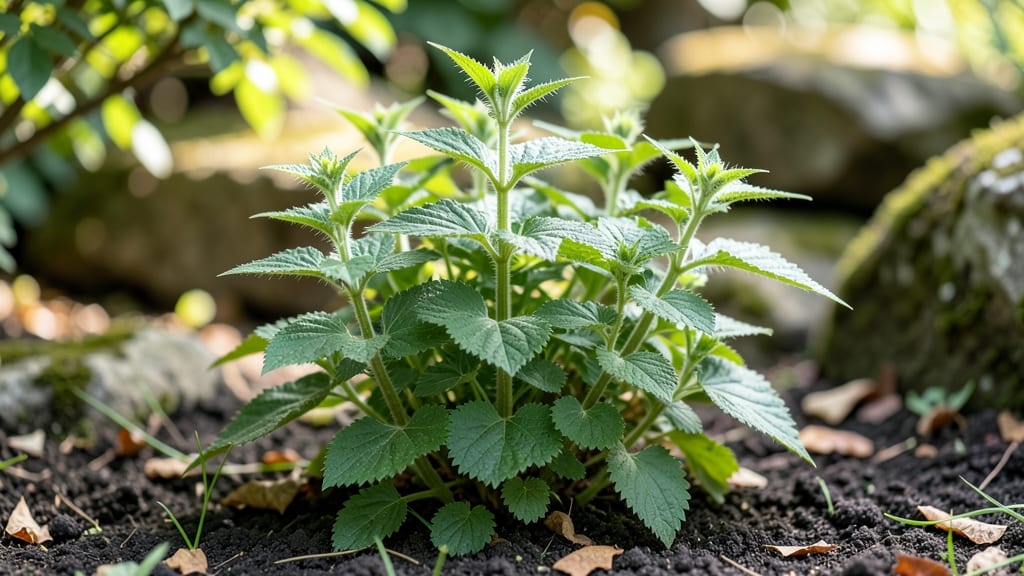
Dealing with a rash from garden contact is one of the fastest ways to turn a sunny afternoon into a miserable evening.
I’ve spent years testing natural remedies after my own skin reacted badly to poison ivy, chemical fertilizers, and even plain old dirt—here’s what actually works to dissolve irritation in minutes without harsh chemicals.
The culprits are usually poison ivy, oak, or sumac, but even common plants like mint or citrus can trigger reactions in sensitive skin. Wearing long sleeves and gloves helps, but accidents happen—especially when you’re knee-deep in weeds or handling fresh-cut foliage.
The key is acting fast with a spray that soothes while breaking down the oils causing the reaction.
This natural spray combines ingredients you likely already have: apple cider vinegar, witch hazel, and a few drops of tea tree oil. Within 5-10 minutes of application, the itching eases, and redness fades noticeably.
It’s the same solution I’ve used on my kids after they rolled in clover patches, and it works just as well on adult skin.
Prevention is easier than treatment—just remember the old saying, "Leaves of three, let it be," and always rinse exposed skin with cold water immediately after gardening. But if the rash still appears, this spray will have your skin feeling normal again in no time.
The Hidden Triggers Behind Outdoor Rashes
Spending time in the garden should be a refreshing escape—but for many, it ends with an itchy, mysterious rash. Whether you’re tending to plants, pulling weeds, or simply enjoying a sunny afternoon outdoors, your skin might be reacting to invisible threats.
Understanding why these rashes appear is the first step to preventing them. Below, we break down the most common culprits, backed by science, so you can protect your skin before it reacts.
Not all plants are harmless. Some contain natural compounds that trigger allergic reactions or direct skin irritation. Here’s how it happens:
- Sap & Resins: Plants like poison ivy (Toxicodendron radicans), poison oak (Toxicodendron diversilobum), and poison sumac (Toxicodendron vernix) produce urushiol oil, a clear, oily substance that binds to skin proteins. Even microscopic amounts can cause a delayed allergic reaction (contact dermatitis), leading to blisters, swelling, and intense itching within 12–48 hours. The oil can linger on tools, clothing, or even pets for years, so contamination is a major risk.
- Fine Hairs & Thorns: Some plants, like stinging nettle (Urtica dioica), have tiny, brittle hairs that inject formic acid and histamine into your skin upon contact. This causes an immediate histamine-mediated reaction—think redness, burning, and hives within minutes. Other plants, such as cactus or raspberry canes, may leave physical thorns embedded in the skin, leading to localized irritation or even secondary infections if scratched.
- Latex Proteins: Some gardeners unknowingly react to latex proteins found in plants like fig trees (Ficus carica) or rubber plants (Ficus elastica). If you’re allergic to latex (e.g., from gloves or balloons), your immune system may overreact to these proteins, causing Type I hypersensitivity reactions—swelling, redness, or even difficulty breathing in severe cases.
Tiny garden visitors can leave behind itchy souvenirs. Here’s how insect interactions lead to rashes:
- Saliva & Venom: Mosquitoes, ticks, and chiggers inject saliva containing anticoagulants and proteins that trigger an immune response. Your body’s histamine release causes the classic red, swollen bump. Chiggers (Trombiculidae), in particular, embed their mouthparts into skin and inject digestive enzymes, leading to chigger dermatitis—a cluster of tiny, intensely itchy red bumps that may last weeks if untreated.
- Secondary Infections: Scratching insect bites can break the skin, creating entry points for bacteria like Staphylococcus aureus. This leads to impetigo or cellulitis, characterized by pus, increased pain, and spreading redness. If the rash has yellow crusts or feels warm to the touch, it’s likely infected.
Garden chemicals aren’t just harmful to pests—they can wreak havoc on your skin too. Here’s the science:
- Solvents & Adjuvants: Many pesticides, herbicides, and even fertilizers contain solvents (like xylene or acetone) that strip natural oils from your skin, leading to chemical dermatitis. Over time, this disrupts the skin barrier, causing dryness, cracking, and increased sensitivity. Some formulations also include surfactants, which act like soap and further irritate the skin.
- Neonicotinoids & Systemic Pesticides: Systemic pesticides (e.g., imidacloprid) are absorbed by plants and can remain on leaves, stems, or even in the soil. If you handle treated plants without gloves, the chemicals may cause delayed allergic contact dermatitis, similar to poison ivy but triggered by synthetic compounds. Symptoms often include scaly, red patches that worsen with exposure.
- Fungicides & Copper Compounds: Copper-based fungicides (e.g., Bordeaux mixture) are highly alkaline and can cause corrosive contact dermatitis upon direct contact. The skin’s pH balance is disrupted, leading to burning, blistering, and peeling. Even residual dust from these chemicals can irritate eyes, throat, or skin.
Sometimes, the rash isn’t from what you’re touching—it’s from how you’re moving. Here’s the breakdown:
- Chafing & Heat Rash: Prolonged exposure to heat and moisture (especially in thick clothing or rubber gloves) traps sweat and bacteria against your skin. This creates miliaria rubra (heat rash), where sweat ducts become blocked, leading to prickly, red bumps that itch or sting. Areas like the neck, underarms, and groin are most affected.
- Friction Dermatitis: Tools, gardening gloves, or even rough plant fibers can cause mechanical irritation. Repeated rubbing breaks down the skin’s outer layer, leading to transient acantholytic dermatosis (a fancy term for chronic friction blisters). This presents as scaly, red patches that may ooze or crust over.
- UV-Induced Sensitivity: Sun exposure can lower your skin’s threshold for irritation. If you’re already prone to rashes, UV rays may increase vascular permeability, making your skin more reactive to plants, insects, or even sweat. This is why some rashes flare up after a sunny day—your skin is in a heightened state of sensitivity.
Not all garden rashes are allergic—they might be infectious. Here’s how microbes turn your garden into a petri dish:
- Ringworm (Dermatophytes): Despite its name, ringworm isn’t a worm—it’s a fungal infection that thrives in warm, damp environments. Spores from soil, mulch, or contaminated tools can infect small breaks in your skin, causing red, ring-shaped patches with raised edges. It’s highly contagious and spreads easily when sharing tools or touching pets.
- Pseudomonas Folliculitis: Bacteria like Pseudomonas aeruginosa love moist environments, such as whirlpool footbaths or damp gardening boots. If they enter hair follicles (e.g., from sweaty legs or arms), they cause tiny, pus-filled bumps that itch and may form clusters. This is common in gardeners who wear occlusive footwear for long periods.
- Sporotrichosis: The fungus Sporothrix schenckii lives in soil, decaying plants, and thorns. A puncture wound (e.g., from a rose thorn) can introduce the fungus, leading to nodular, ulcerative lesions that spread along lymph vessels. Early signs include painful red bumps that develop into open sores—seek medical help if you suspect this, as it requires antifungal treatment.
Quick Fixes for Outdoor Skin Irritation
Rashes from gardening—whether caused by plants, bugs, or harsh chemicals—can be frustrating, but most have simple, fast solutions. Below, we’ve mapped the most common causes to practical fixes, so you can get back to your green thumb without the itch.
Fix: Wash, cool, and soothe in three steps:
- 🔥 Rinse immediately with cool water and mild soap (like Castile soap) to remove oils.
- 🍳 Apply a cold compress (damp cloth or ice pack wrapped in a towel) for 10–15 minutes to reduce swelling.
- 👨🍳 Use a natural anti-itch spray:
- Oatmeal spray: Blend ½ cup oats into a fine powder, mix with 1 cup water, strain, and spray on rash.
- Aloe vera gel (direct from the plant or store-bought) for hydration.
- Calamine lotion (for severe itching—apply thinly with a cotton ball).
Prevention tips: ✅ Wear long sleeves and gloves when handling known irritants (like poison ivy). ✅ Learn the "Leaves of Three? Let It Be!" rule—avoid touching plants with three leaflets. ✅ Rinse tools and clothes after gardening to remove residual oils.
Fix: Neutralize the reaction with targeted treatments:
- 🔪 Remove the stinger (if present) with a credit card or tweezers—do not squeeze!
- ⏰ Clean with rubbing alcohol (for stings) or soap and water (for bites).
- 🌡️ Apply a paste of baking soda + water (1:1 ratio) for 5–10 minutes to reduce swelling.
- 🎯 Use hydrocortisone cream (1%) for itching or oral antihistamines (like Benadryl) if swelling spreads.
Prevention tips: 💡 Chigger-proof your yard: Mow grass short, remove leaf litter, and wear permethrin-treated clothing. 🔥 Bug repellent: Use DEET (20–30%), picaridin, or oil of lemon eucalyptus on exposed skin. ✨ Avoid peak bug hours (dawn/dusk) when working outdoors.
Fix: Flush and neutralize ASAP:
- 🔥 Remove contaminated clothing and rinse skin for 15+ minutes with lukewarm water.
- 🍳 Apply a vinegar-soaked cloth (for alkaline burns like lime) or milk (for acidic burns like vinegar) to neutralize.
- 👨🍳 Use a healing balm:
- Coconut oil (antibacterial + moisturizing).
- Honey (medical-grade) for severe burns—apply a thin layer and cover with a bandage.
- ⏰ Monitor for blisters: If they form, do not pop them—cover with a non-stick bandage and see a doctor if infection risk (pus, red streaks).
Prevention tips: 💡 Always wear gloves when handling chemicals—nitrile is best for herbicides. 🔥 Read labels carefully: Some "natural" fertilizers (like wood ash) can still burn skin. ✨ Store chemicals safely: Keep them in locked cabinets away from kids/pets.
Fix: Hydrate, cool, and protect:
- 🔥 Take a cool (not icy) shower with aloe vera gel or colloidal oatmeal.
- 🍳 Apply a thin layer of petroleum jelly to lock in moisture.
- 👨🍳 Stay hydrated with electrolyte drinks (coconut water works) and avoid alcohol/caffeine.
- 🎯 Use zinc oxide sunscreen (not just SPF) next time—reapply every 2 hours.
Prevention tips: 💡 Wear a wide-brim hat and UPF-rated clothing when gardening in the sun. 🔥 Water plants (not yourself) during peak sun—mist your skin with a spray bottle for temporary relief. ✨ Avoid tight clothing—opt for breathable fabrics like linen or moisture-wicking synthetics.
Some rashes need professional attention if they:
- Spread rapidly or form large blisters.
- Cause fever, chills, or swollen lymph nodes (signs of infection).
- Persist beyond 3–5 days despite home treatment.
Pro Tip: Keep a first-aid kit in your garden shed with:
- Hydrocortisone cream
- Oral antihistamines
- Aloe vera gel
- Tweezers (for stingers)
- Calamine lotion**
Frequently asked questions
What are the most common plants that cause garden rashes?
Poison ivy, poison oak, and poison sumac are the top culprits, thanks to their urushiol oil. Even harmless-looking plants like stinging nettle or citrus trees can trigger reactions. Always check for three-leaf clusters (poison ivy/oak) and avoid touching unknown plants with bare skin.
How do I know if my garden rash is from an insect bite or a plant?
Insect bites often appear as single red bumps with a central mark (from the stinger). Plant rashes typically spread in streaks or patches where skin touched foliage. Chigger bites cluster in warm areas (ankles, waist) while poison ivy spreads along arms or legs.
Can I use over-the-counter hydrocortisone cream on all garden rashes?
For mild itching, yes—1% hydrocortisone helps with insect bites and minor plant reactions. But avoid it on open wounds or fungal infections (like ringworm). For severe reactions (swelling, blisters), see a doctor—some rashes (like sporotrichosis) need prescription treatment.
Will washing with soap and water immediately prevent a rash?
For poison ivy/oak, rinsing within 10 minutes removes up to 80% of urushiol oil. Use cool water and mild soap—hot water can drive oils deeper. For chemical burns, flush for 15+ minutes to dilute residues.
How long until I know if I’ve been exposed to poison ivy?
Symptoms usually appear 12–48 hours after exposure, but can take up to 5 days. Start with redness/itching, then develop blisters within 24–72 hours. The rash won’t spread unless urushiol touches new skin—scratching worsens irritation but doesn’t cause new outbreaks.