Tools
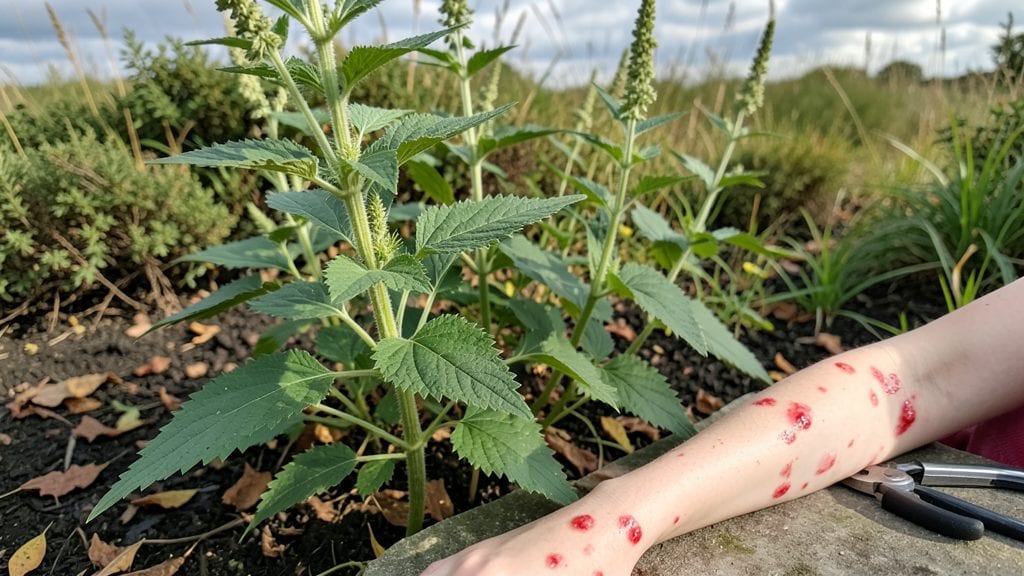
A gardening rash often stems from urushiol oil in plants like poison ivy or chemical sensitivities from fertilizers. These triggers cause redness, blisters, or swelling within hours of exposure. 🌿 I’ve seen cases where even touching contaminated tools or clothing can spread the reaction—always wash gear after use.
For severe reactions, over-the-counter hydrocortisone (1%) or oral antihistamines like diphenhydramine can provide relief, but see a doctor if symptoms worsen or spread beyond the exposure area.
Prevention is key: wear long sleeves, gloves, and closed-toe shoes when working with unfamiliar plants. If you suspect a rash is from chemical exposure, rinse skin thoroughly and avoid reapplying the irritant.
For plant-related rashes, a cool compress with baking soda paste can help reduce inflammation before using commercial treatments.
💡 In This Article
- Identifying Common Gardening Rash Triggers
- Step-by-Step Rash Treatment and Prevention Guide
Identifying common gardening rash triggers
Most gardening rashes stem from urushiol oil, a clear, colorless chemical found in plants like poison ivy, poison oak, and poison sumac. This oil triggers an allergic reaction in about 60-75% of people, causing redness, itching, and blisters within 12-48 hours of exposure.
The oil is so potent that even microscopic amounts—like those left on tools or clothing—can provoke a reaction.
Poison ivy, for example, grows as a vine, shrub, or ground cover with three glossy leaflets and a "leaflets of three, let it be" warning, while poison sumac has 7-13 smooth-edged leaves and thrives in wet areas.
Chemical irritants, such as pesticides, herbicides, and synthetic fertilizers, also cause rashes through direct skin contact or inhalation. These compounds often contain harsh solvents, acids, or alkalis that disrupt the skin's natural barrier, leading to irritation.
For instance, glyphosate, a common herbicide, can cause contact dermatitis in sensitive individuals, with symptoms appearing within 24-72 hours.
Unlike plant-based reactions, chemical rashes often feel like a burning or stinging sensation rather than itching. 🌱 The key difference lies in the mechanism: plant oils trigger an immune response, while chemicals typically cause direct tissue damage.
Some plants, like milkweed or stinging nettle, contain irritating hairs or sap that cause immediate pain and swelling upon contact.
Milkweed, for example, releases a milky sap that can cause red, raised welts within minutes, while stinging nettle's hollow hairs inject formic acid, leading to a sharp, burning pain similar to a bee sting.
These reactions are more about physical irritation than allergy, though repeated exposure can sensitize the skin over time. The visual difference is striking: plant allergies (like poison ivy) often start as red streaks that spread, while chemical burns appear as localized redness or blisters at the contact point.
Here's what's actually happening under the skin: urushiol oil binds to skin proteins, creating an antigen that the immune system attacks, leading to inflammation. This process involves T-cells and histamine release, which explains the itching and swelling.
Chemical irritants, on the other hand, disrupt the skin's lipid layer, causing water loss and inflammation without an immune response. 🔬 The distinction matters because allergic reactions (like poison ivy) can worsen with repeated exposure, while chemical irritation typically improves once the irritant is removed.
If you're unsure whether your rash is from a plant or chemical, consider these clues: Poison ivy/oak rashes often appear in streaks or patches where the plant brushed against skin, while chemical rashes may follow the shape of gloves, tools, or clothing.
Sumac rashes, meanwhile, tend to be more clustered and appear where the plant's hairs or sap touched the skin. Always wash clothes and tools separately after gardening—urushiol can linger for up to 5 years on surfaces!
What most people don't realize is that even dead plants can cause rashes. Poison ivy's oil remains active in stems, roots, and vines long after the plant dies.
The same goes for contaminated gardening tools or pets that carry the oil on their fur. 🐾 A quick rinse with rubbing alcohol or dish soap can neutralize the oil on surfaces, but skin exposure requires immediate washing with cold water and mild soap.