
Diseases
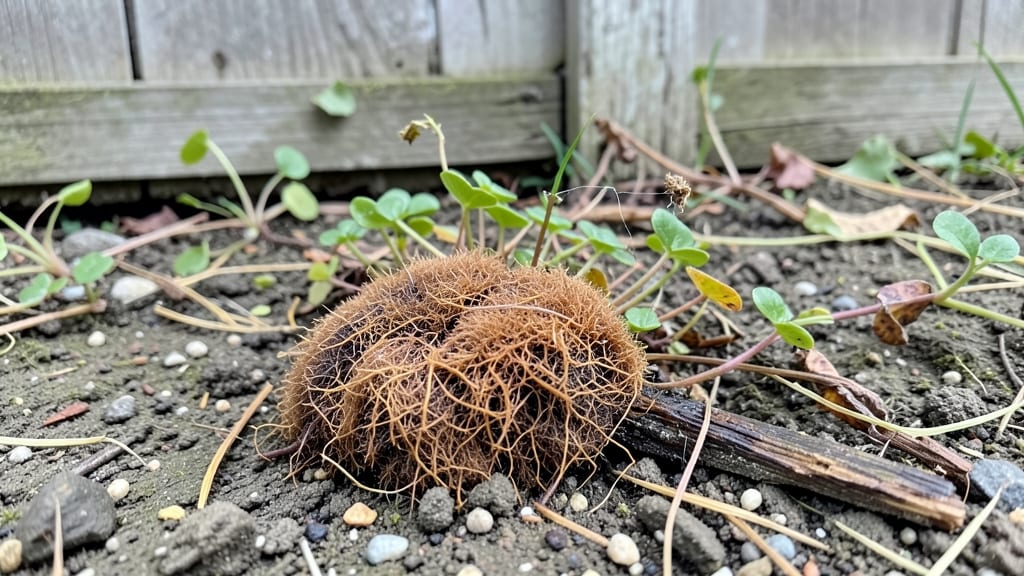
That brown fungus creeping through your garden soil isn’t just unsightly—it’s stealing nutrients and stunting plant growth. 🌱 I’ve battled it in my own raised beds, and the key to fixing it starts with understanding what’s really going on beneath the surface.
Most gardeners panic and reach for harsh chemicals, but the real solution lies in restoring balance naturally.
The culprit is often overwatered, compacted, or nutrient-depleted soil that creates the perfect breeding ground for fungal growth. Too much moisture, poor drainage, or leftover organic matter that hasn’t broken down can all trigger this issue.
The good news? You don’t need fancy tools—just a few targeted adjustments to get your soil back on track.
Within weeks, you’ll see roots regaining their vibrant health, plants growing stronger, and that brown gunk disappearing for good. We’ll focus on organic remedies that work without harming your soil’s long-term fertility or your garden’s ecosystem.
This approach works for vegetable gardens, flower beds, and even potted plants—no matter your space or climate. Let’s turn that soil back into the thriving foundation your plants deserve.
Root Causes of Soil Fungus Growth
Brown fungus creeping through your garden soil isn’t just an unsightly nuisance—it’s often a sign of underlying imbalances in your soil ecosystem. Understanding why these fungi thrive is the first step to reclaiming healthy, vibrant soil. Let’s break down the key factors that turn your garden into a fungus-friendly zone.
🌱 Overly wet or poorly drained soil
Fungi love moisture, but too much of it creates the perfect breeding ground. When soil stays soggy—whether from overwatering, poor drainage, or heavy rainfall—it deprives roots of oxygen and encourages fungal spores to germinate. Why does this happen?
- Waterlogging: Compacted or clay-heavy soil traps excess water, suffocating beneficial microbes and promoting anaerobic conditions where fungi like Rhizoctonia and Pythium thrive.
- Lack of organic matter: Soil with low compost or mulch struggles to absorb and retain water properly, leading to uneven moisture levels.
- Improper irrigation: Drip systems or overhead watering that doesn’t account for soil type can create pockets of saturation.
Actionable fix: Test your soil’s drainage by digging a 12-inch hole and filling it with water. If it drains in less than 6 hours, your soil may be too dense. Amend with coarse sand, perlite, or compost to improve aeration.
🍄 Nutrient imbalances in the soil
Fungi are opportunistic—when your soil lacks essential nutrients, they step in to break down organic matter, often leaving behind brown, thread-like mycelium. But what causes these imbalances?
- Excess nitrogen: Synthetic fertilizers high in nitrogen (like urea) can suppress beneficial fungi and bacteria, creating a vacuum that pathogenic fungi fill.
- Low phosphorus/potassium: These nutrients are critical for root health. Without them, plants become stressed and more susceptible to fungal invasions.
- Depleted organic matter: Soil without compost or aged manure lacks the microbial diversity to outcompete harmful fungi naturally.
Actionable fix: Conduct a soil test to identify deficiencies. Add bone meal (phosphorus), wood ash (potassium), and well-aged compost to restore balance. Avoid quick-release fertilizers—they can worsen the problem.
🌡️ Extreme temperature fluctuations
Fungi are sensitive to temperature swings, but they love moderate, stable warmth—especially between 60°F and 85°F (15°C–30°C). Sudden changes can weaken plants, making them more vulnerable to infection. Here’s how temperature plays a role:
- Cold stress: Freeze-thaw cycles damage root cells, creating entry points for fungal spores.
- Heat stress: Drought conditions force plants to divert energy to survival, weakening their defenses against soil-borne pathogens.
- Microclimates: Shady, humid corners of the garden (like under dense foliage) trap heat and moisture, ideal for fungal growth.
Actionable fix:
- Use mulch (straw or wood chips) to regulate soil temperature and retain moisture.
- Avoid planting heat-sensitive crops (like tomatoes) in hot microclimates—opt for shade-tolerant alternatives.
- Improve airflow with pruning and proper spacing between plants.
🐛 Pest damage weakens plant defenses
Insects and grubs don’t just eat your plants—they create wounds that serve as gateways for fungal spores. Common culprits include:
- Grubs (white grubs): Their feeding tunnels disrupt root systems, making plants more susceptible to Fusarium or Armillaria (shelf fungus).
- Aphids and mites: They sap plant sap, weakening immunity and leaving behind sticky honeydew—a buffet for sooty mold.
- Slugs and snails: Their slime trails introduce fungal spores directly to plant tissues.
Actionable fix:
- Introduce beneficial nematodes (like Steinernema carpocapsae) to target grubs.
- Use neem oil or insecticidal soap to control soft-bodied pests without harming soil microbes.
- Set up beer traps or copper barriers to deter slugs.
🔄 Overuse of chemical interventions
While pesticides and fungicides can seem like a quick fix, they often disrupt the natural soil microbiome, creating a void that harmful fungi rush to fill. How does this happen?
- Broad-spectrum fungicides: Chemicals like chlorothalonil kill all fungi—both beneficial and pathogenic—throwing soil ecology off balance.
- Synthetic fertilizers: They starve soil of organic matter, reducing the population of mycorrhizal fungi that protect plant roots.
- Soil sterilization: Methods like solarization or harsh tilling destroy fungal networks that suppress pathogens.
Actionable fix: Shift to preventive care:
- Use biological fungicides (e.g., Trichoderma or Bacillus subtilis) to crowd out pathogens.
- Rotate crops annually to disrupt fungal life cycles.
- Avoid tilling—it aerates spores and spreads them deeper into the soil.
How to solve it
Brown fungus in your garden soil doesn’t have to mean the end of your green thumb! 🌱 With the right approach, you can restore balance and protect your plants. The solution depends on the root cause—whether it’s overwatering, poor drainage, nutrient imbalances, or fungal buildup. Below, we break down practical fixes tailored to each issue, plus prevention tips to keep your soil thriving long-term.
###
🔥 1. Overwatering or Poor Drainage? → Improve Soil Aeration
If your soil stays soggy, roots suffocate, and fungi like Rhizoctonia or Phytophthora thrive. Here’s how to dry it out and prevent future issues:
- 🍳 Amend the soil: Mix in coarse sand, perlite, or compost (50/50 ratio) to improve drainage. Avoid heavy clay soils—opt for raised beds if needed.
- 👨🍳 Adjust watering habits:
- Water deeply 2–3 times per week (early morning) instead of daily light sprinkles.
- Use a moisture meter or stick your finger 1–2 inches into the soil—water only if it’s dry.
- 🥘 Install drainage solutions:
- Add gravel or broken pottery to the bottom of pots.
- For garden beds, create swales (shallow trenches) to redirect water.
💡 Pro Tip: If your soil is already waterlogged, spread a thick layer of mulch (straw or wood chips) to absorb excess moisture and insulate roots.
###
🔪 2. Nutrient Deficiencies or Imbalances? → Feed the Soil Right
Fungi often flourish when plants are stressed from lack of nutrients. Boost soil health with these organic fixes:
| Issue | Fix | How to Apply |
|---|---|---|
| Low nitrogen | Compost or alfalfa meal | Work into the top 6 inches of soil in early spring. |
| High phosphorus (encourages fungi) | Bone meal alternative: Kelp meal | Use 1 tbsp per plant sparingly—too much harms microbes. |
| Compacted soil | Worm castings or biochar | Mix 1 cup per sq. ft into the topsoil before planting. |
🌡️ Pro Tip: Test your soil’s pH (6.0–7.0 is ideal for most gardens). Use wood ash (for acidity) or sulfur (for alkalinity) sparingly to adjust.
###
⏰ 3. Fungal Buildup or Infestation? → Natural Fungicides & Prevention
If brown fungus is already spreading, act fast with these non-toxic solutions:
- 🍄 Baking soda spray (for mild cases):
- Mix 1 tsp baking soda + 1 tbsp neem oil + 1 tsp mild soap in 1 quart water.
- Spray affected soil and plant bases weekly until symptoms fade.
- 🌿 Beneficial microbes:
- Apply mycorrhizal fungi or Trichoderma harzianum (available as powders).
- These outcompete harmful fungi for space and nutrients.
- 🌡️ Solarization (for severe cases):
- Cover infested soil with clear plastic for 4–6 weeks in hot sun. Temperatures rise to 120°F+, killing fungi.
- Best for containers or small garden beds.
✨ Prevention Tip: Rotate crops annually—fungi like Fusarium target the same plants (e.g., tomatoes, peppers) year after year. Also, sterilize tools with rubbing alcohol between uses.
###
🎯 4. Long-Term Soil Health → Build Resilience
Stop fungus before it starts with these habits:
- 🌱 Plant resistant varieties: Choose disease-resistant seeds (e.g., ‘Defiant Phy’ tomatoes for Phytophthora resistance).
- 🍂 Mulch strategically: Use straw or pine needles (avoid cedar—it’s toxic to some plants). Keep mulch 2–3 inches away from stems to prevent moisture traps.
- 🐛 Encourage predators:
- Attract beneficial nematodes (buy online) to eat fungal spores.
- Plant garlic, chives, or marigolds—they repel fungi naturally.
- 📊 Monitor soil moisture: Use self-watering pots or drip irrigation to avoid oversaturation.
💡 Final Tip: Healthy soil = happy plants. Aim for 30% organic matter (compost, leaf mold) to crowd out fungi and improve root vigor.
Frequently asked questions
How do I tell if brown fungus in soil is harmful to my plants?
Look for thread-like strands or cottony growths near plant bases, yellowing leaves, or wilting despite adequate water. If you see these signs, the fungus is likely Rhizoctonia or Pythium, which can stunt root growth. Test by gently scraping soil—if it smells earthy but not rotten, it’s likely harmless mycelium. For severe cases, inspect roots for dark, mushy patches.
Will composting infected soil kill the fungus?
Composting can reduce fungal spores, but it won’t eliminate them entirely. To safely compost, mix heavily infested soil with double the amount of hot compost (1:2 ratio) and maintain temperatures above 130°F for at least 5 days. Avoid adding infected plant debris directly—it can reintroduce spores. For severe cases, bury or bag the soil separately.
Can I use vinegar to treat brown fungus in soil?
White vinegar (5% acetic acid) can help, but use it cautiously. Mix 1 part vinegar with 4 parts water and lightly spray the soil surface—avoid over-saturating. Vinegar lowers soil pH, which can inhibit some fungi, but it may also harm beneficial microbes. Test on a small area first, and repeat weekly until symptoms fade.
How long does it take to see improvement after treating fungus?
With consistent care, you may notice changes in 2–4 weeks, but full recovery can take 3–6 months. Focus on soil aeration, moisture control, and organic amendments first. Avoid rushing—over-treating can disrupt soil balance. Monitor plant health closely and adjust your approach as needed.
Should I remove plants affected by brown fungus?
If the fungus is mild, you can prune infected leaves and treat the soil. For severe cases, remove and destroy heavily infected plants to prevent spreading spores. Dispose of plant debris in sealed bags, not compost. Replace the soil with fresh, amended mix if the infestation is extensive.