
Tools
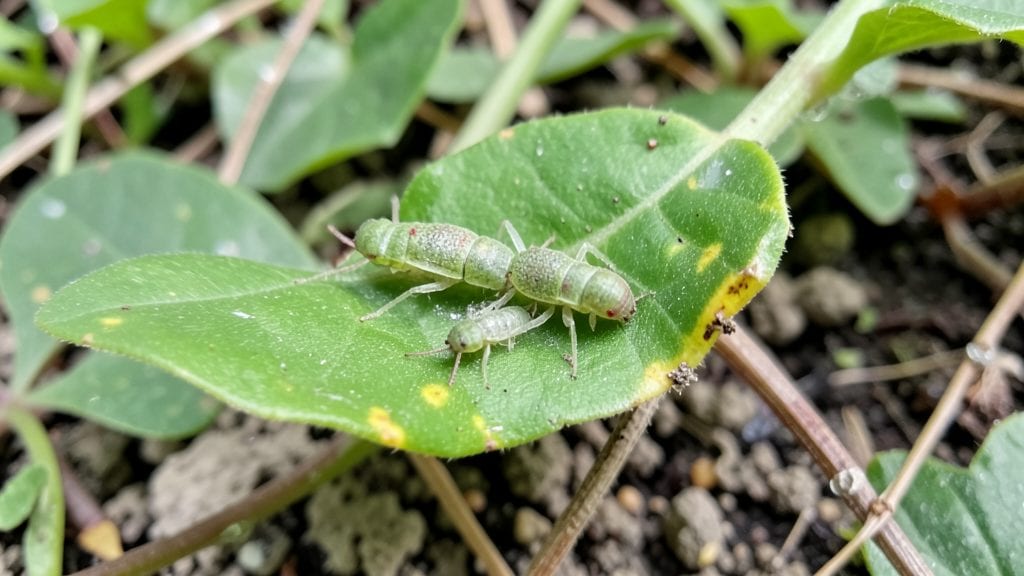
My garden pests and bugs used to turn my thriving plants into a buffet—until I discovered these natural barriers that actually work. 🌱 The key isn't fighting pests head-on but creating an environment where they never want to visit in the first place.
I've tested everything from companion planting to physical shields, and these methods keep my garden lush without a single chemical spray.
Most people overlook simple solutions like row covers for cabbage moths or copper tape for slugs, but they're game-changers. You don't need expensive tools—just a few household items and smart placement. For example, crushed eggshells around tomato plants deter slugs, while planting marigolds near vegetables confuses pests with their scent.
The best part? These barriers work preventively, so you're not constantly chasing bugs away.
What you'll end up with is a garden where pests are rare visitors, not daily invaders. Your plants grow stronger, your harvest stays bountiful, and you avoid the frustration of finding holes in leaves or chewed stems.
The secret is layered defense—combining physical barriers, natural predators, and plant choices that pests simply avoid. Here's how to set up your first line of defense without chemicals.
These methods adapt to any garden size, from small containers to full backyard plots. Whether you're dealing with aphids, beetles, or slugs, the same principles apply—just tweak the tools. Let's get your garden back to thriving without the chemical battle.
Root Causes Of Garden Invaders
Your garden isn’t just a patch of soil and plants—it’s a bustling ecosystem where bugs thrive when conditions align. Understanding why these pests show up is the first step to stopping them naturally.
Here’s a breakdown of the key triggers, backed by science, so you can address the real issues—not just the symptoms.
When plants are stressed, they send out distress signals that attract pests like aphids, whiteflies, and spider mites. Here’s how it happens:
- Poor spacing: Plants competing for nutrients and sunlight weaken their natural defenses. Example: Overplanted tomatoes or herbs become prime targets for hornworms and cabbage worms.
- Nutrient deficiencies: Lack of nitrogen, phosphorus, or micronutrients (like magnesium or zinc) makes plants more vulnerable. Test soil pH: Most pests thrive in slightly acidic to neutral soil (pH 6.0–7.0).
- Disease or damage: Fungal infections (e.g., powdery mildew) or physical harm (like broken stems) create entry points for secondary pests. Watch for: Yellowing leaves, stunted growth, or sticky residue (honeydew from sap-sucking bugs).
Actionable fix: Thin out plants, mulch to retain moisture, and fertilize with compost or balanced organic fertilizer (e.g., 10-10-10). Rotate crops yearly to disrupt pest life cycles.
Water stress is a silent pest magnet. Bugs love plants that are either drowned or parched—both scenarios weaken defenses.
- Overwatering: Soggy soil attracts fungus gnats, slugs, and root maggots. Why? Excess moisture creates the perfect breeding ground for microbial pests and softens plant tissue, making it easier for chewers (like cutworms) to attack.
- Underwatering: Drought-stressed plants produce more sugars in leaves, luring aphids and whiteflies. Science note: Studies show aphids prefer plants with elevated sugar levels—a direct result of water deficit.
- Irregular watering: Uneven moisture (e.g., dry soil with wet mulch) confuses plants, making them more susceptible to stress-related pests.
Actionable fix:
- Water deeply 1–2 times per week (early morning) to encourage deep root growth.
- Use drip irrigation or soaker hoses to avoid wetting foliage (which spreads fungal diseases).
- Mulch with 2–3 inches of organic matter (straw, wood chips) to retain moisture and regulate soil temperature.
Pests aren’t just drawn to your plants—they’re drawn to the hideouts in your garden. Leaves, weeds, and wood piles act like pest hotels, providing food, moisture, and protection.
- Leaf litter: Decaying leaves harbor slug eggs, earwigs, and fungal spores. Example: A single square foot of unraked leaves can hold hundreds of slugs over winter.
- Weeds: Many "weeds" (like lamb’s quarters or purslane) are actually host plants for pests. Case in point: Dandelions attract aphids, which then spread to your veggies.
- Wood and rocks: Beetles, centipedes, and even rodents use these as shelter. Pro tip: Stacked firewood near gardens can introduce termites or carpenter ants.
Actionable fix:
- Clear debris monthly, especially after rain (when pests are most active).
- Remove weeds before they go to seed—pull by hand or smother with cardboard.
- Store firewood at least 20 feet away from your home and garden.
Planting the same crops in rows (e.g., a massive tomato patch) is like setting up a neon sign for pests. Why? Because pests specialize—and when their favorite food is everywhere, they stay.
- Lack of biodiversity: Gardens with one type of plant disrupt natural predator-prey relationships. Example: Aphids devour a monoculture of roses with no ladybugs to eat them.
- Pest life cycles: Many bugs (like Colorado potato beetles) are host-specific. If you grow potatoes every year, the beetles return in force.
- No confusion effect: Interplanting (e.g., basil with tomatoes) masks plant scents, making it harder for pests to locate their prey.
Actionable fix:
- Use companion planting—pair pest-prone plants with repellents (e.g., marigolds with tomatoes, onions with carrots).
- Plant in small, scattered patches instead of large blocks.
- Rotate crops annually to break pest cycles.
Pests thrive in specific conditions—temperature, humidity, and even wind patterns play a role. Your garden’s microclimate might be unintentionally inviting them in.
- Warmth: Many pests (e.g., squash bugs, cucumber beetles) are cold-blooded and become active at 50°F+. Greenhouses or south-facing gardens accelerate their life cycles.
- Humidity: High moisture levels attract slugs, snails, and fungal-loving insects like thrips. Stat: Slug activity peaks at 80%+ humidity.
- Windbreaks: Dense hedges or fences can trap heat and moisture, creating pest-friendly pockets.
Actionable fix:
- Use row covers in early spring to delay pest emergence.
- Improve air circulation with light pruning or trellises to reduce humidity.
- Plant wind-resistant crops (e.g., kale, Swiss chard) on exposed edges to act as natural barriers.
Practical ways to outsmart garden invaders
Dealing with garden pests and bugs doesn’t have to mean reaching for harsh chemicals. With the right strategies, you can create a thriving garden that keeps unwanted critters at bay while keeping your plants happy and healthy.
Below are targeted solutions for common garden invaders, paired with easy-to-follow fixes and prevention tips to keep your green space pest-free.
Cause: These sap-sucking pests cluster on new growth, leaves, and stems, leaving behind sticky residue (honeydew) that attracts mold.
Fix:
- 🔥 Blast Them Away: Use a strong stream of water from your hose to dislodge aphids from plants. Repeat every few days for severe infestations.
- 🍳 Soapy Solution: Mix 1 tablespoon of mild liquid soap (like castile soap) with 1 quart of water. Spray directly on aphids—avoid flowering plants to protect pollinators.
- 👨🍳 Introduce Predators: Ladybugs, lacewings, and parasitic wasps are natural aphid hunters. Buy or attract them to your garden for long-term control.
Prevention:
- 💡 Encourage Diversity: Plant herbs like rosemary, thyme, and basil nearby—aphids dislike their strong scents.
- 🌡️ Monitor New Growth: Check young shoots regularly and remove heavily infested leaves immediately.
Cause: These slimy pests thrive in damp conditions, leaving large holes in leaves and flowers overnight.
Fix:
- 🥘 Beer Trap: Bury a shallow container filled with beer (or yeast water) near affected plants. Slugs and snails are drawn to it and drown.
- 🔪 Copper Barrier: Place copper tape or wire around garden beds—slugs get a mild electric shock when they touch it.
- 🏃♂️ Handpick at Night: Use a flashlight to spot and remove them manually (wear gloves!). Drop them in soapy water to dispose of them humanely.
Prevention:
- ✨ Keep Soil Dry: Improve drainage and avoid overwatering, especially in the evening.
- 🎯 Use Mulch Alternatives: Skip traditional mulch near vulnerable plants; opt for gravel or sharp-edged pine cones to deter slugs.
Cause: Ants may seem harmless, but they farm aphids and protect them from predators, indirectly damaging your plants.
Fix:
- 🍳 Vinegar Barrier: Mix equal parts water and white vinegar in a spray bottle. Target ant trails and entry points to disrupt their scent.
- 🔪 Diatomaceous Earth: Sprinkle food-grade DE around ant hills and along garden edges. It dehydrates them without harming plants.
- 🌿 Block Their Path: Create a barrier of cinnamon, chalk, or coffee grounds around plants—ants avoid these natural repellents.
Prevention:
- 💡 Eliminate Food Sources: Keep sweet fruits and fallen produce picked up to avoid attracting ants.
- 🌡️ Disrupt Nests: If you spot an ant hill, pour boiling water directly into it (early morning or late evening for best results).
Cause: These tiny pests thrive in hot, dry conditions, spinning webs on the undersides of leaves and sucking plant juices.
Fix:
- 🔥 Spray with Water: A gentle shower can knock them off plants. Do this in the early morning for best results.
- 🍳 Neem Oil Solution: Mix 1 teaspoon of neem oil with 1 quart of water and a drop of dish soap. Spray leaves thoroughly, repeating every 5–7 days.
- 👨🍳 Encourage Predatory Mites: Release Phytoseiulus persimilis mites, which prey on spider mites naturally.
Prevention:
- 💡 Boost Humidity: Use a fine misting system or drip irrigation to keep leaves hydrated—mites hate humidity.
- 🌿 Inspect Regularly: Check the undersides of leaves weekly, especially during dry spells.
Cause: These metallic-green beetles chew through leaves, leaving a lace-like pattern and damaging flowers and fruits.
Fix:
- 🥘 Handpick & Drop: Fill a bucket with soapy water and shake beetles into it. Do this in the early morning when they’re sluggish.
- 🔪 Neem Oil Spray: Apply neem oil directly to affected plants to deter feeding.
- 🌿 Trap with Flowers: Plant sacrificial trap crops like roses or grapes nearby—beetles will go for these instead of your veggies.
Prevention:
- 🎯 Remove Grubs: Treat lawns with milky spore bacteria to reduce Japanese beetle grubs in the soil.
- 💡 Avoid Overwatering: Beetles love moist soil, so keep lawns and garden beds well-drained.
With these natural solutions, you can reclaim your garden without relying on chemicals. The key is consistency—act quickly at the first sign of trouble, and your plants will thank you with lush, pest-free growth! 🌱✨
Frequently asked questions
What are the most common garden pests I should watch for?
The top troublemakers include aphids (tiny green/black bugs on new growth), slugs (slimy trails at night), ants (protecting aphids), spider mites (red dots on leaves), and Japanese beetles (metallic green chewers). Start by checking undersides of leaves and soil surfaces daily—early detection is key!
Can I use coffee grounds to repel pests?
Sprinkle used coffee grounds around plants to deter slugs, ants, and even cats. The caffeine and strong scent confuse pests' scent trails. For best results, reapply after rain or every 2-3 days. Just avoid piling them directly against plant stems to prevent mold.
How do I know if my plants are stressed enough to attract pests?
Watch for these red flags: yellowing leaves, stunted growth, or sticky residue (honeydew from sap-suckers). Stressed plants produce more sugars that attract pests. Fix the root cause first—water consistently, thin crowded plants, and test soil pH (aim for 6.0-7.0). Healthy plants naturally resist invaders!
Are there any plants that naturally repel garden pests?
Yes! Marigolds confuse pests with their strong scent, basil deters flies and mosquitoes, and chives repel aphids. Try companion planting—pair tomatoes with basil or carrots with onions. Even mint (in containers) keeps many pests away while adding flavor to your kitchen.
When should I use chemical pesticides as a last resort?
Only after trying natural methods for 2-3 weeks. If pests are completely destroying your plants (e.g., cabbage worms devouring kale overnight), use targeted organic sprays like neem oil or pyrethrin. Always follow label instructions and avoid spraying when bees are active. For severe infestations, consult a local extension service first.